The man behind ‘The Tongogara We Want’ bids farewell to TRS
BY STEVE EPHRAEM
We arrived at the administrative offices of Tongogara Refugee Settlement, then known as Tongogara Refugee Camp, one morning about eight years ago. Our assignment was to cover a ministerial visit to the settlement.
I was accompanied by media colleagues Luthando Mapepa and the late Freedom Mutanda. At the time, we were correspondents for the Zimpapers stable: Mutanda for The Sunday Mail and Mapepa for The Manica Post. I had since stopped drawing the Wasu cartoon for The Manica Post, which had been taken over by Wellington Musapenda at The Chronicle. I was then focusing on writing a tourism column, as well as articles on climate change and inclusion.
As we waited at the offices, I noticed a humble-looking man whose energy and quiet confidence stood out. Keen to find out who he was without drawing attention to myself, I turned to Mutanda and whispered a question.
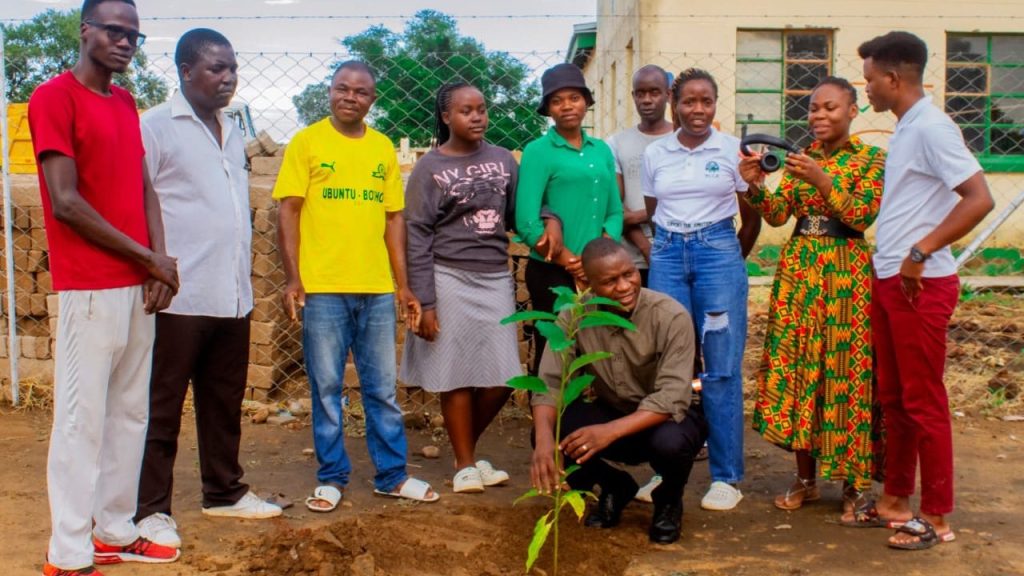
“Ndivo bwana vepano,” he replied. “He is the big man here.” He identified the man as Johanne Mhlanga and described him as a focused leader.
On 12 October 2026, Mr Mhlanga sent a message informing me that he was stepping down as administrator of Tongogara Refugee Settlement. The news was difficult to take. I checked with my contacts in the refugee community, only to find that many people were struggling to come to terms with his resignation.
Over the years, I came to associate Mhlanga’s leadership with initiatives aimed at improving residents’ lives and expanding opportunities within the settlement.
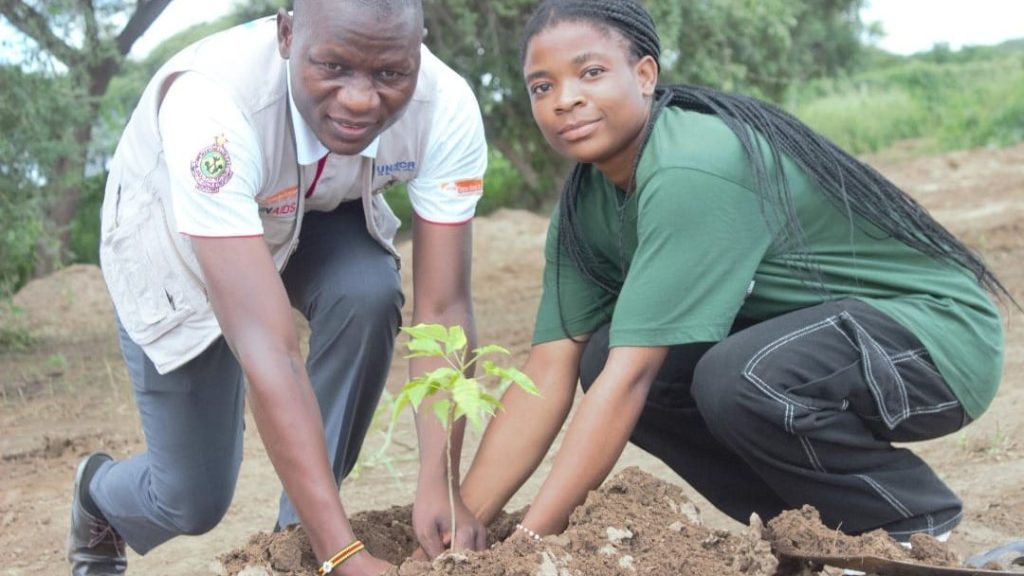
At the heart of his vision was ‘The Tongogara We Want’: an aspiration for a community in which residents could help shape their own future.
During his tenure, an infant school with capacity for more than 800 learners was established. Expansion of Tongogara Refugee Clinic, with the aim of developing it into a rural hospital, is under way. He also facilitated the provision of a 5,000-litre oxygen facility at Chipinge District Hospital to serve both refugees and the host community.
Mhlanga believed young people had a crucial role to play in shaping that future. He strengthened scholarship programmes that enabled refugee youth to study in Zimbabwe and abroad.
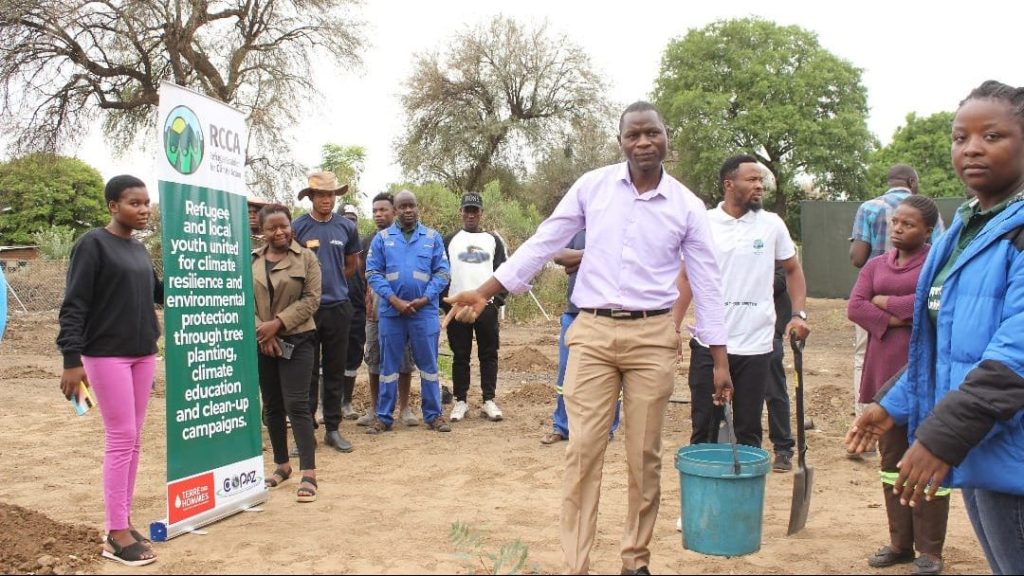
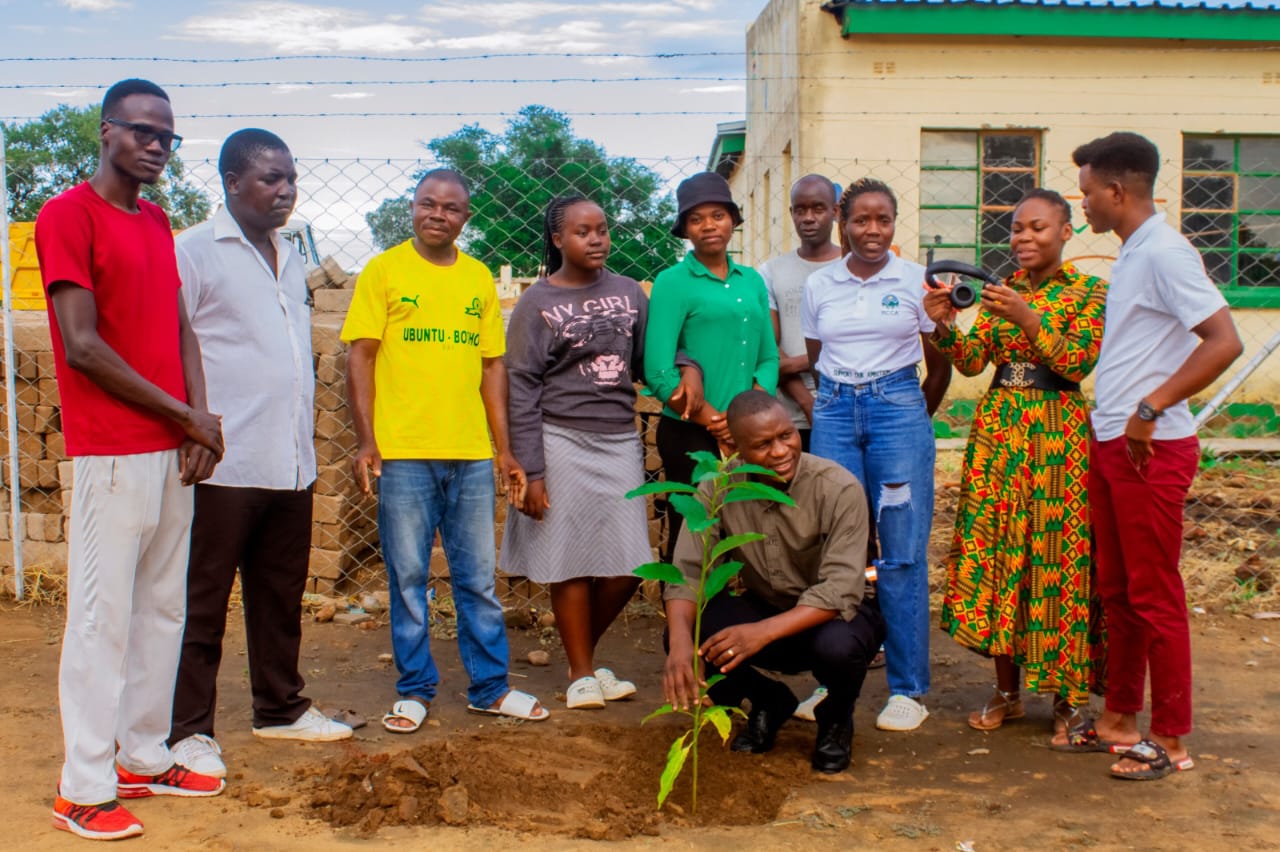
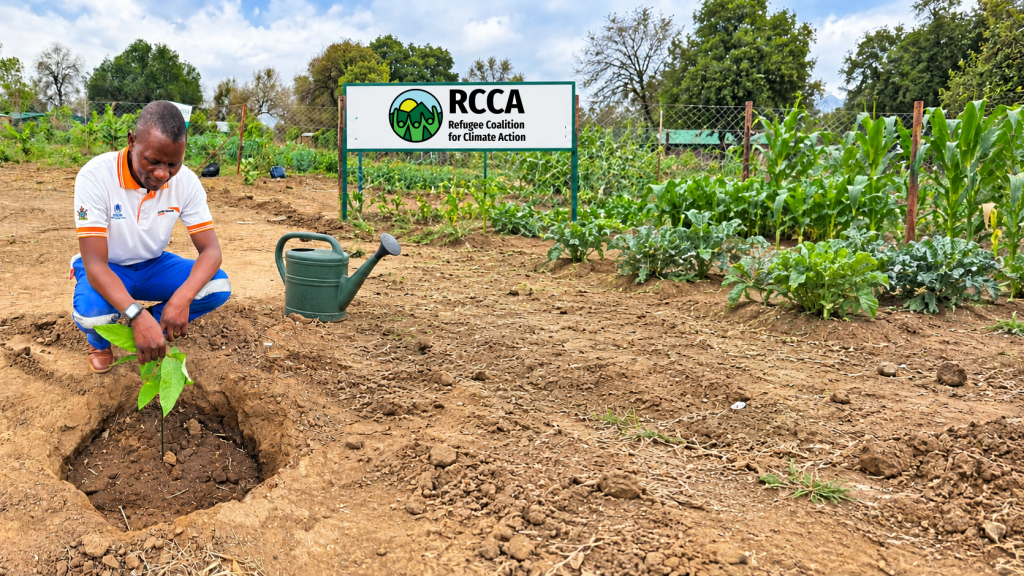
His open-door approach also helped create space for youth-led initiatives, including the Refugee Coalition for Climate Action (RCCA), TWEENS and the Transformation Innovation Hub (TIH). These initiatives have provided platforms for young people to engage with issues affecting their communities. It was with RCCA that Mr Mhlanga proved that he was fond of greening the settlement by planting trees.
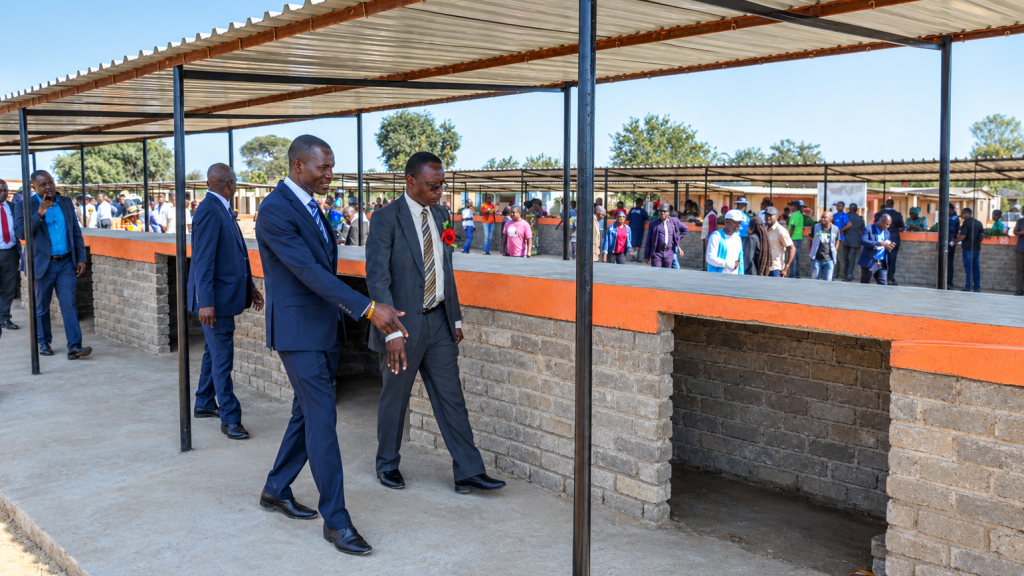
Economic empowerment and access to essential services were also among the priorities associated with his tenure. The irrigation scheme expanded from 25 hectares in 2020 to 175 hectares in 2025. A green and safe market with 60 stalls was made available to refugees and members of the host community, while modern piggery and poultry facilities were established, benefiting hundreds of households.
From a media perspective, one initiative that deserves particular recognition is the establishment of FM Tongogara. The community radio station gave residents a platform for sharing information and bringing issues affecting their lives to wider attention.
For a settlement whose residents have often had to navigate complex humanitarian and social challenges, access to information and opportunities to express community concerns are important. A locally rooted radio station can help bridge information gaps and strengthen participation in community affairs.
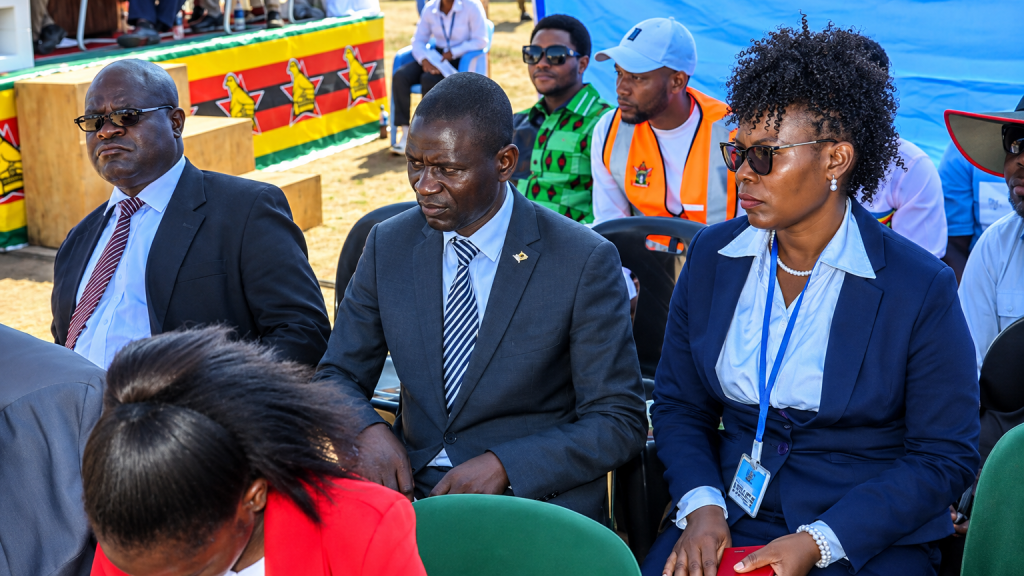
Perhaps one of the most significant aspects of Mhlanga’s tenure, in my view, was the increased visibility of Tongogara Refugee Settlement in wider discussions about development and refugee affairs. Through initiatives undertaken during his administration, the settlement sought to strengthen its presence in policy and development forums in Zimbabwe and beyond.
The impact of these initiatives can be assessed by residents, partner organisations and other stakeholders. Mhlanga was a leader who saw the settlement as more than a place of refuge: he saw it as a community with potential, ambition and a future to shape.
Johanne Mhlanga: a brief biography
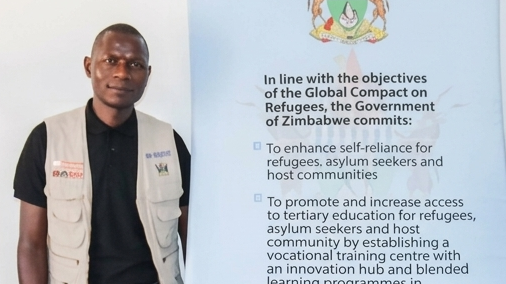
Johanne Mhlanga was born on 18 April 1984 in Shekwa, Chipinge, to peasant farmers. He completed his primary education at Shekwa Primary School before proceeding to Chikore Mission for his secondary education.
In 2011, he graduated from the University of Zimbabwe with a Bachelor of Social Work Honours degree.
He began his professional career in July 2011 as a research trainee at Rostan Development Company, a consultancy. In December 2012, he joined World Education Incorporated (WEI/Bantwana) as a child protection graduate trainee.
In January 2014, Mhlanga joined the Department of Social Welfare, under the Commissioner for Refugees’ Office, as a refugee status determination officer. He held the position until 31 May 2018.
Alongside that role, he served as acting camp administrator from August 2017 to 31 May 2018. He was appointed substantive camp administrator on 1 June 2018.
In 2015, Mhlanga enrolled for a Master of Social Science in Child and Family Studies at Africa University. He also holds an Executive Certificate in Programme and Project Monitoring and Evaluation from the University of Zimbabwe, which he completed during the 2014–2015 period.
He obtained a Master of Science in Social Work and Social Policy from the University of Zimbabwe in 2022, as well as several other professional qualifications.



1 comment