Jaka gives breathe to Community-Based Tourism
BY STEVE EPHRAEM
The morning sun casts long shadows across Chipote village in Nechirorwe, Bikita, Zimbabwe as a remarkable scene of communal gathering unfolds. It is the 29th of August 2026, and the homestead of Mbuya Chigweshe is soon to become a vibrant setting of rural Zimbabwean life.
Women clad in black, printed Earthlore T-shirts and colourful wraps move with purpose, their paths criss-crossing among the men. They are the members of the Dende Garden project, but today they are stewards of a heritage far older than any development initiative.
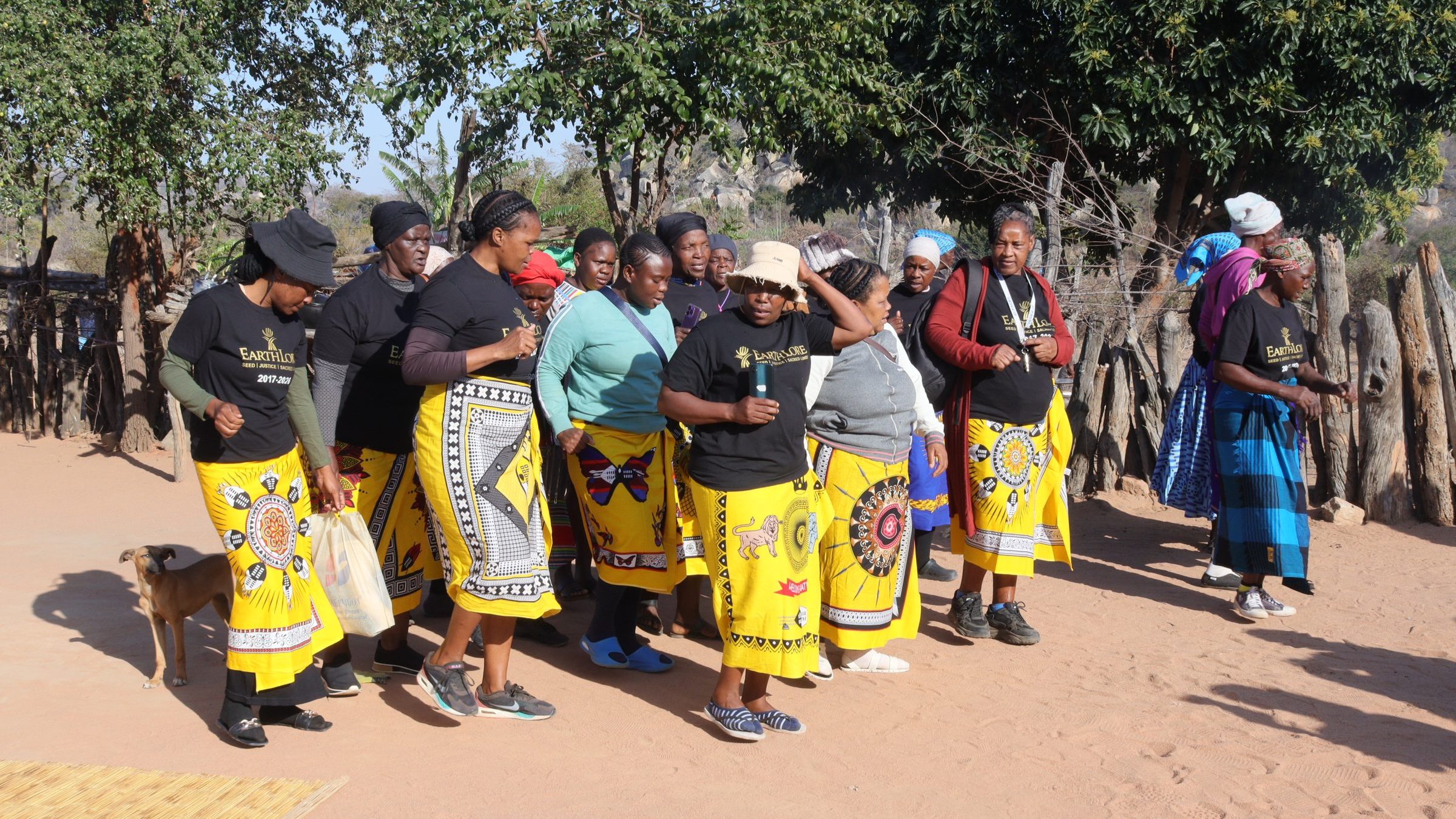
The quiet of the village is soon broken by the approach of vehicles and a minibus, from which disembark visitors adorned in South African traditional dress. Their arrival is met with ululation from the local villagers, a greeting that visibly moves the delegates, who join the locals in dance, setting a joyous tone for what lies ahead; Jaka ceremony.
The guests include staff members from the Earthlore Foundation, the driving force behind the Bikita Seed Fair, alongside delegates from partner organisations hailing from Zimbabwe, South Africa and the United Kingdom.
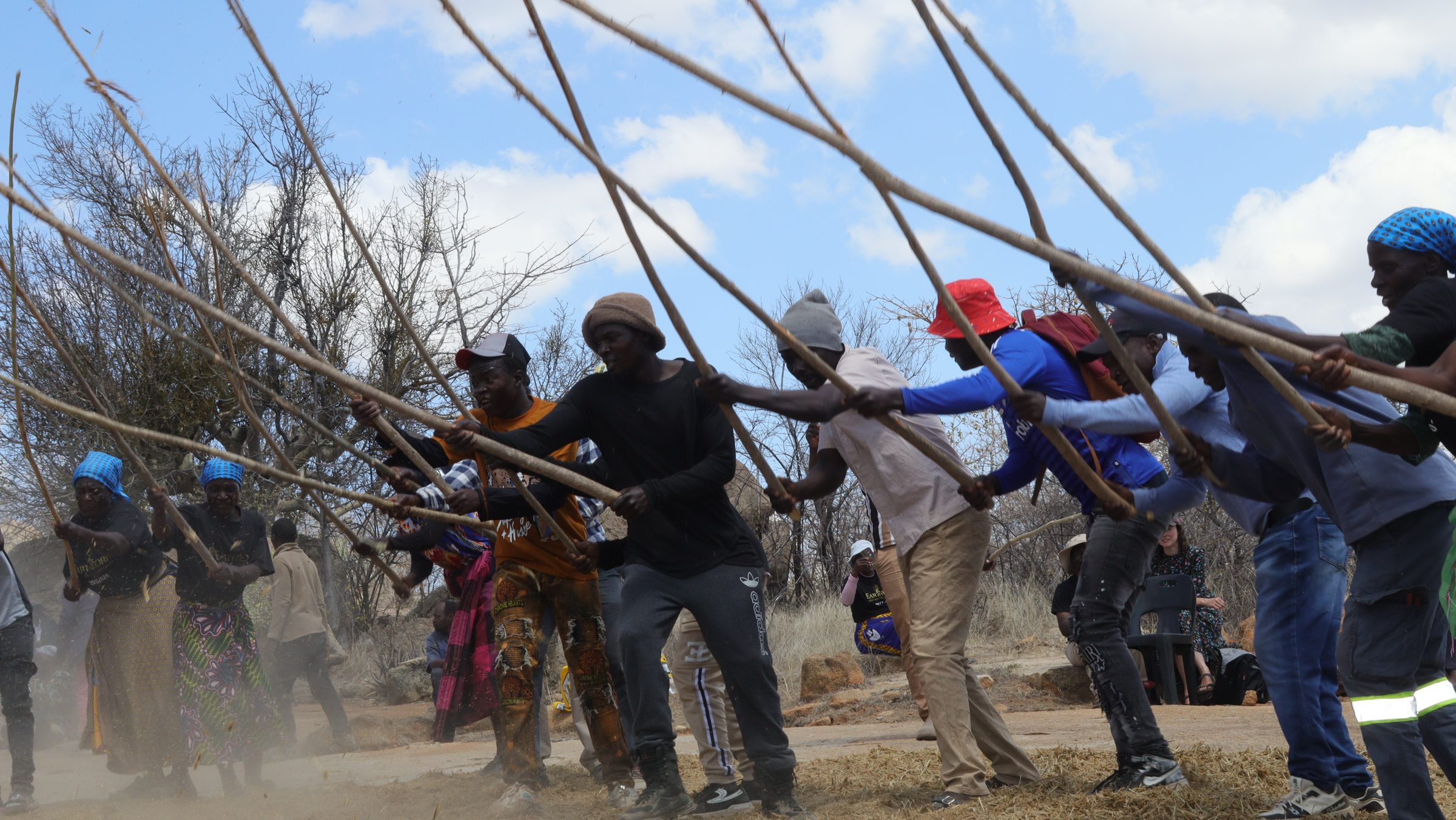
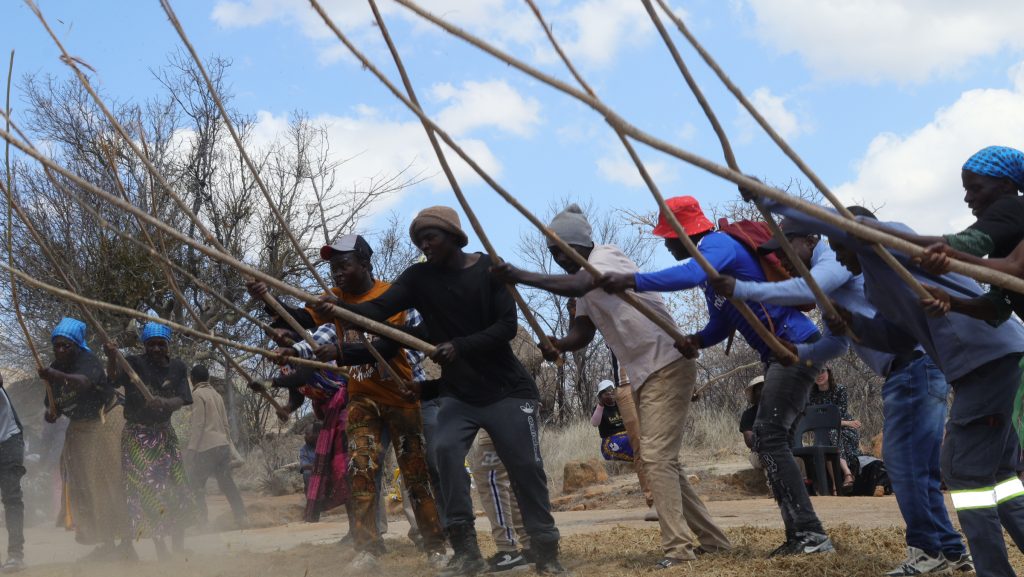
For those experiencing it for the first time, Jaka is a traditional ceremony in which the community manually threshes and winnows small grains, typically millets and rapoko.
On this occasion, the event is held under the umbrella of the Bikita Seed Fair. Host farmer Mbuya Chigweshe leads guests on a short tour of her field, explaining the origins of the millet and its careful storage since the harvest.
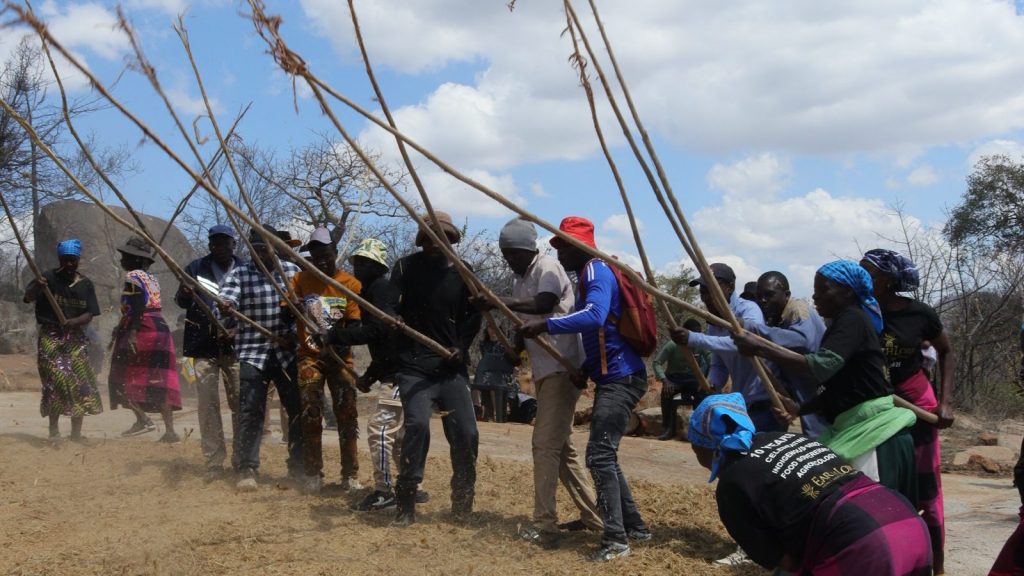
The gathered yield is then transported using large traditional baskets called matengu to the large granite rock floor beneath a hill known locally as a ruware. Here, the main event unfolds. Men and women form dynamic lines to rhythmically beat the piled millet heads using long wooden whips. When the beating is complete, the participants break to share the first batch of a traditional sorghum and rapoko beer, nicknamed ‘chiseven-days’ for the seven days which the brew takes to mature.
A strict advisory recommends the ceremony for those over eighteen, a stipulation rooted in two distinct cultural realities. Firstly, Jaka is linked with the heavy consumption of traditional beer. Secondly, the lyrical content of the accompanying songs is unapologetically adult in nature.
Upon completion of this initial threshing, the first phase of the traditional brew is shared among all present, though no one is forced to partake. As action resumes, custom dictates that the men instruct a son-in-law to appeal for a favourable breeze.
While the men retire to the homestead to sample more brew, the women step onto the granite rock floor to carry out winnowing. Balancing woven baskets called tswanda, they toss the threshed grain into the air so the wind can separate the light chaff from the dense grain. This process requires patience, as the wind can die down at any moment, forcing the women to wait for its return before they can continue.
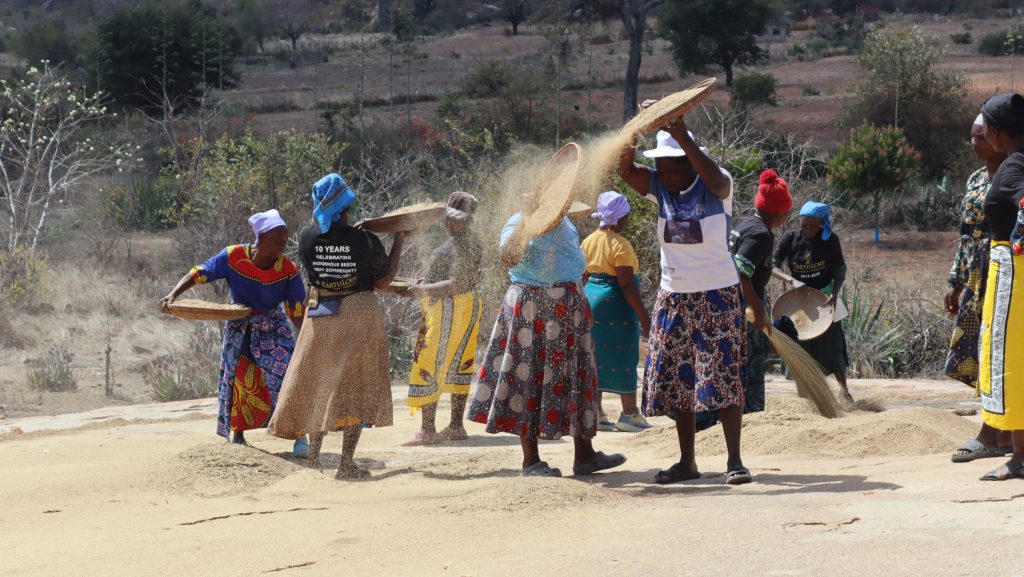
The final product is then collected and taken to the granary. Lunch is served, and it is only after this meal that the beer-drinking ceremony is finalised, bringing the day to a close.
Jaka, alongside its parent occasion, the Bikita Seed Fair, is actively promoting Community Based Tourism, or CBT. The Earthlore Foundation arranges for visitors to the Seed Fair to be accommodated in the villages and to eat traditional meals, an arrangement that is exclusive to members of Earthlore’s projects in Bikita. Since the CBT initiative began, many villagers have upgraded their homes to qualify as accommodation for visitors, spurring tangible community development.
At the same time, Jaka protects an intangible cultural heritage that has been practised for centuries. For the tourist, it merges agro-tourism, gastronomic heritage, and performing arts into a single, unforgettable event.
Visitors can participate in the threshing and winnowing tradition, taste traditional brews, and sing and dance alongside the locals. Although the Jaka tradition carries an age restriction for participants, those who qualify; particularly university students; can attend as part of their research or dissertation work.
In essence, Jaka offers a pure tourism package for academic groups, heritage enthusiasts, and experiential travellers, all without eroding its cultural integrity.



Post Comment