Advocacy is engagement, not activism: REPSSI
BY STEVE EPHRAEM
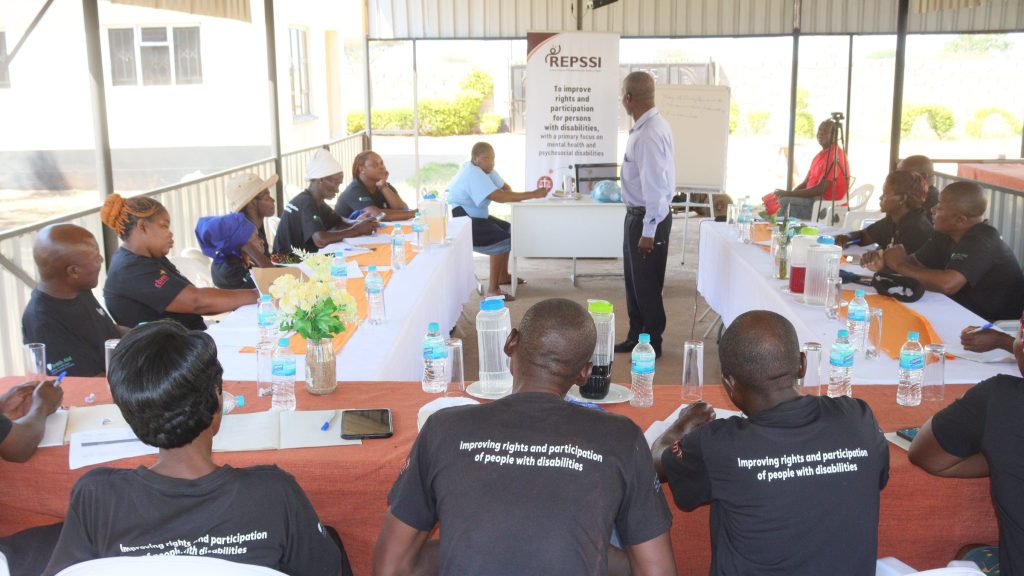
A development partner has said that advocacy is not about confronting authorities or engaging in activism but a negotiating skill. This was one of the key messages that were delivered during a two-day training workshop for disability champions from Chimanimani and Chipinge districts.
The training was held from November 4 to 5, 2026, at Checheche in Chipinge under the EQuaLISED Project, implemented by the Regional Psychosocial Support Initiative (REPSSI) with support from Irish Aid and CBM Global.
The event was attended by 20 disability champions from wards 11 (Mabhiza), 22 (Manzvire) and 25 (Rimai) in Chipinge, as well as wards 7 (Bumba), 14 (Charter) and 22 (Hlabiso) in Chimanimani. Child Care Workers (CCWs) and officials from the Department of Social Development (DSD) also attended.
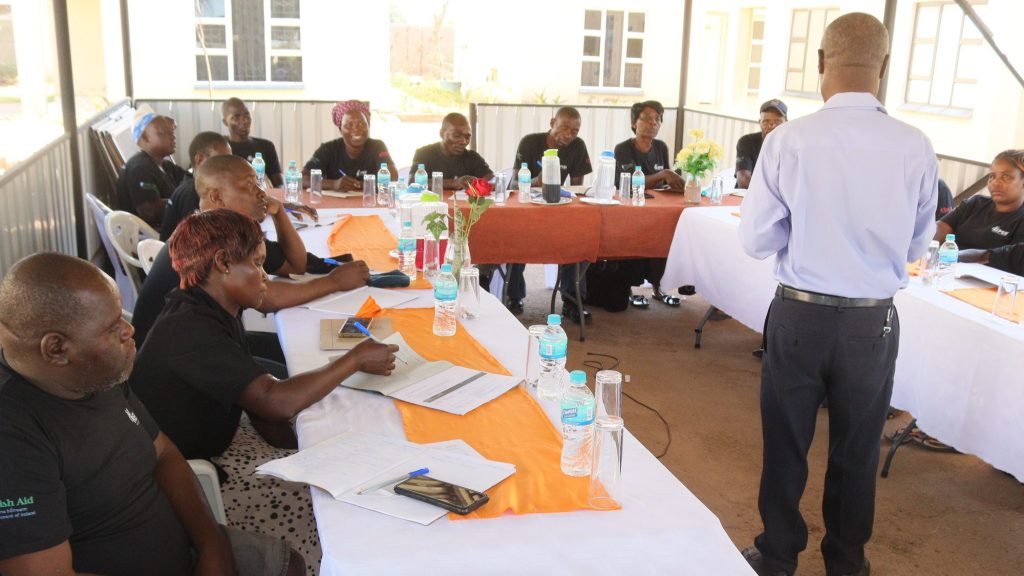
The training sought to strengthen the capacity of disability champions to advocate for the rights, inclusion and meaningful participation of Persons with Disabilities (PwDs).
Participants were introduced to advocacy as a tool for communication and engagement to bring about positive change, improve the lives of persons with disabilities and influence decisions affecting their welfare, rather than viewing it as a form of activism.
“If not careful, it is easy to mistake advocacy for activism. Advocacy has to do with constructive engagement so that disability champions can influence decisions, promote positive change and ensure that the rights and needs of Persons with Disabilities are recognised and addressed. In that aspect, there is no need to fight anyone when doing advocacy,” said a REPSSI official during the training.
Among the advocacy approaches discussed were awareness raising, community mobilisation through roadshows, lobbying lawmakers or policy makers, media, position papers and petitions.
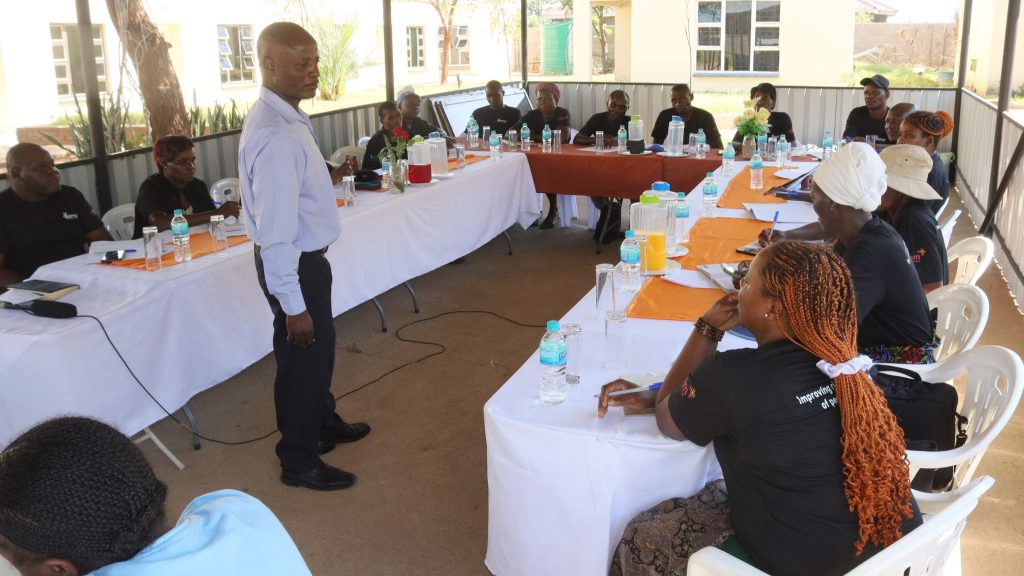
REPSSI highlighted the importance of the champions’ role in promoting the mental health and psychosocial well-being of persons with disabilities. It noted that their inclusion and meaningful participation in community initiatives could contribute to improved well-being.



Post Comment