Kayembe thrives in foreign land

BY STEVE EPHRAEM
CULTURE brings exciting moments when people of different backgrounds tolerate each other.
Chipinge District is dominated by Ndau culture for most of the area under Chief Mutema, Musikavanhu, Chipinge, Garahwa, Gwenzi and Mapungwana. Chief Mpungu trades between his original Ndwandwe/Nguni culture and that of the Xangani and Ndaus, while Chief Mahenye has Tsonga/Xangana culture dominating.
Among the seven chiefs of diversity, Mutema seems to be pregnant with cultural diversity. Mutema has a place called Tongogara Refugee Camp, which is home to asylum seekers and refugees.
According to a report released by Tongogara Refugee Camp Administrator, Mr Johanne Mhlanga, during a visit by the Minister of Public Service, Labour and Social Welfare, Honourable Professor Paul Mavima on 24 September 2020, the place had 14,542 refugees and asylum seekers as of that date.
According to the report, 75 percent constituted those from the Democratic Republic of Congo, 11.07 percent from Mozambique, 6.2 percent from Burundi, 4.7 percent from Rwanda and 2.53 percent from smaller communities.
Such a scenario is healthy in cultural and arts circles. Tongogara has all it needs as far as cultural exchange is concerned.
Cultural aspects like language come into play. Apart from the popular KiSwahili spoken across the Great Lakes, where most of the refugees and asylum seekers originate, there are languages such as KiNyarwanda, Lingala, French and many others.
The most exciting thing is that the refugees and asylum seekers at Tongogara Refugee Camp learn to speak either English or Ndau so fast. Also, locals who provide services to the refugees and asylum seekers learn KiSwahili nicely. It’s all about the tolerance and unity culture which is loaded in Zimbabwe.

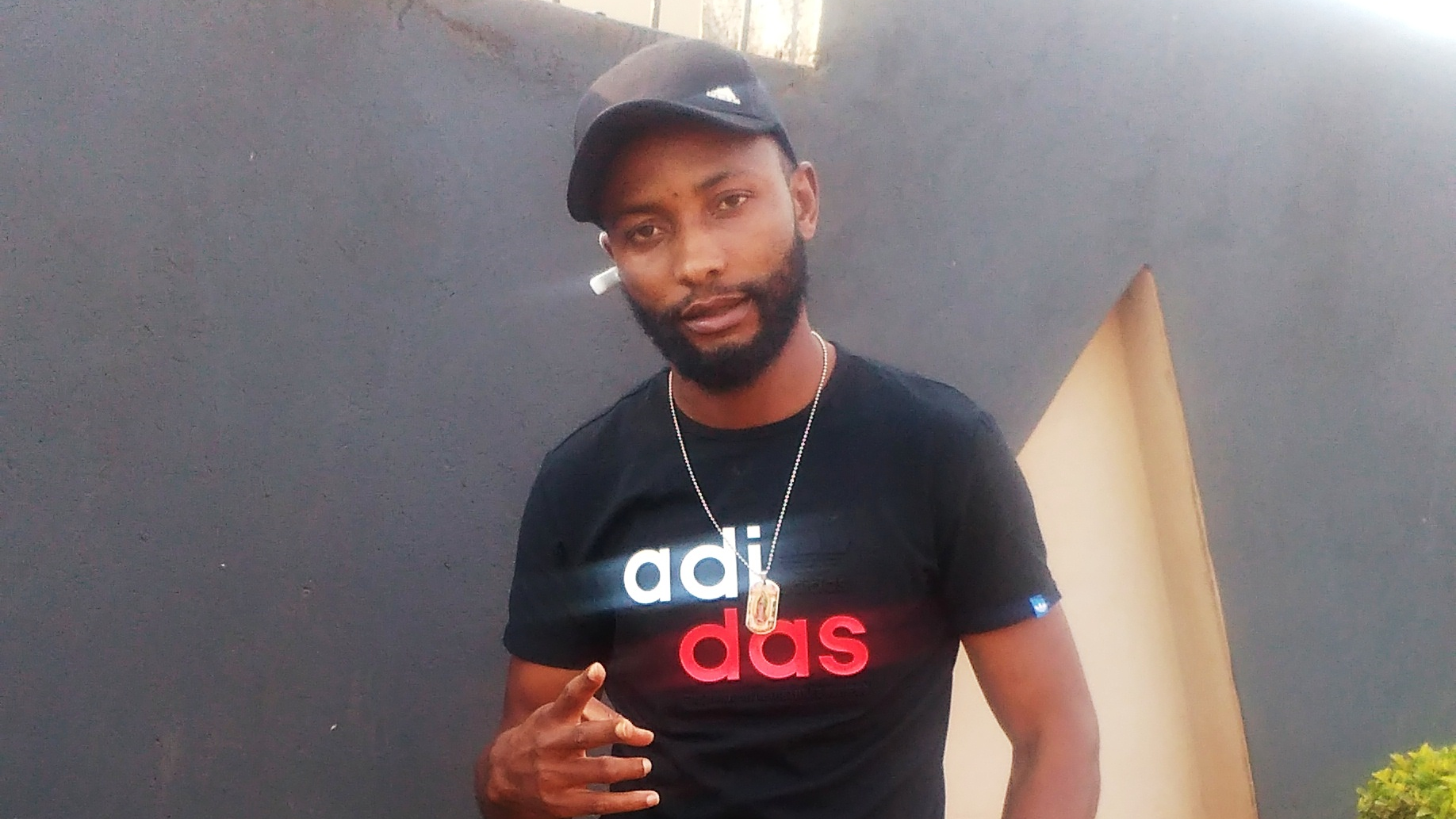
Culture can make a refugee or asylum seeker thrive in foreign land. Such is the case of Cedrick Mulumba Kayembe.
Cedrick Kayembe is a polished actor who holds a big vision as far as film and television production is concerned.
Kayembe admires the Zimbabwean and Zambian cultures which he experienced during the past six years.
“Firstly, tolerance was plenty in the receptions which my family received in Zambia when we were heading to Zimbabwe. It was more soothing when we arrived in Zimbabwe and found a welcoming culture of the locals.
“As an artist well versed in cultural issues, I felt indebted to tell the world how tolerance and unity is prevailing in Zimbabwe and how this is beneficial to the development of Africa as a continent. I speak through arts and I am geared to do so,” said Kayembe.
The 20-year-old artist revealed that he has already started working on a television series which is themed on cultural tolerance.
“I have started the initial stages of film production, which is creating a concept for my television series. It’s all about the tolerance and unity which is galore among the government and non-governmental organisations workers who cater for our welfare. We feel at home.
“It is so clear that Zimbabweans don’t look at one’s status in order for them to help a person. It’s their culture to help.
“The people of this country have proved to the world that Africa is one people. Our cultures might differ, but tolerance and unity is plenty. It is my vision to produce a television series that portrays the cultural tolerance that Zimbabweans have maintained,” he said.
On his arts career, Cedrick Mulumba Kayembe, who is affectionately known as Junior in arts circles, indicated that he started acting at an early stage.
“I started acting back home in 2007. It was a short film. I enjoyed my role back then. In 2010, I took part as a support character in a film called Mamako ndi mama wangu (Your mother is my mother).
“When I came to Zimbabwe in 2014, I became a guest actor in two dramas that were produced in Tongogara Refugee Camp. The dramas were not filmed.
“In 2019, that is when I revived my passion for the big screen by producing a zero-budget short film named But Why. Since it was done on a voluntary basis, the project is still under post-production,” he said.
Cedrick Kayembe has engaged the services of one of Chipinge’s based filmmakers to help him with pre-production and later production of his television series.
“I engaged a Chipinge-based filmmaker, Mr Steve Ephraem, to develop my concept into a script. The whole idea is to come up with a variety of ideas on our culture and that of locals. Mr Ephraem was the script writer and presenter for a 13-episode Ndau TV series called Inside Ndau Culture, which was aired on ZTV recently.
“My ideas are being developed by Mr Ephraem, and as an experienced cultural figure, he shall incorporate the Ndau and other Zimbabwean cultures as well. Actors shall be drawn from the refugee camp and others from the neighbouring communities,” added Kayembe.
On a parting note, Kayembe hailed the Tongogara Refugee Camp authorities for their open-door policy.
“I want to thank the Zimbabwean Government, which has shown us great support through the camp authorities. Cultural arts are very alive in the camp because the Government allowed us to do so, and the authorities are very supportive.
“Special mention goes to Camp Administrator Mr Johanne Mhlanga, who has an open-door policy. He and others always join us in our social services such as sports and arts.
“Officials of Mr Mhlanga’s calibre have proved beyond doubt that Zimbabwe has a good culture, and I feel that my cultural arts dream shall come true with support of people like him,” he said.


Post Comment