Water harvesting benefits Mabheka Garden, Chinyasikana River
BY STEVE EPHRAEM
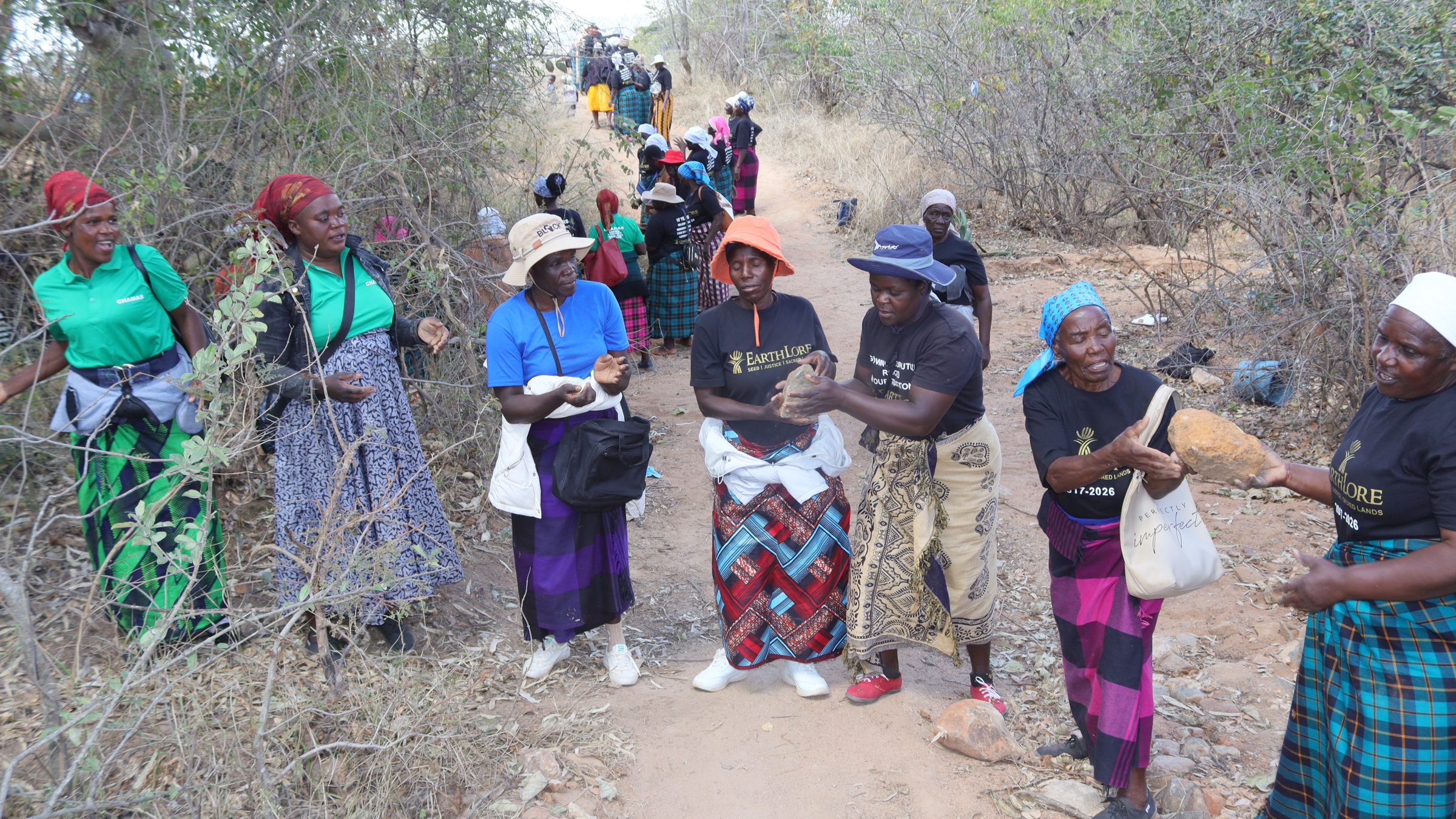
For years, rural communities in Bikita, Zimbabwe faced severe water insecurity as seasonal rainfall was routinely lost to rapid surface run-off. That narrative of depletion has changed dramatically following an introduction of targeted water harvesting techniques, which are now yielding benefits for local smallholder farmers.
The story of Mabheka Garden in Mamutse village, Bikita stands as a testament to rural resilience and effective environmental stewardship.
Supported by the Earthlore Foundation, members of the garden initiative embarked on a comprehensive watershed management strategy centred on constructing gabions, swales, and small earth dams. Designed to slow, spread, and sink rainwater across the physical landscape, these structural interventions have successfully recharged water sources.
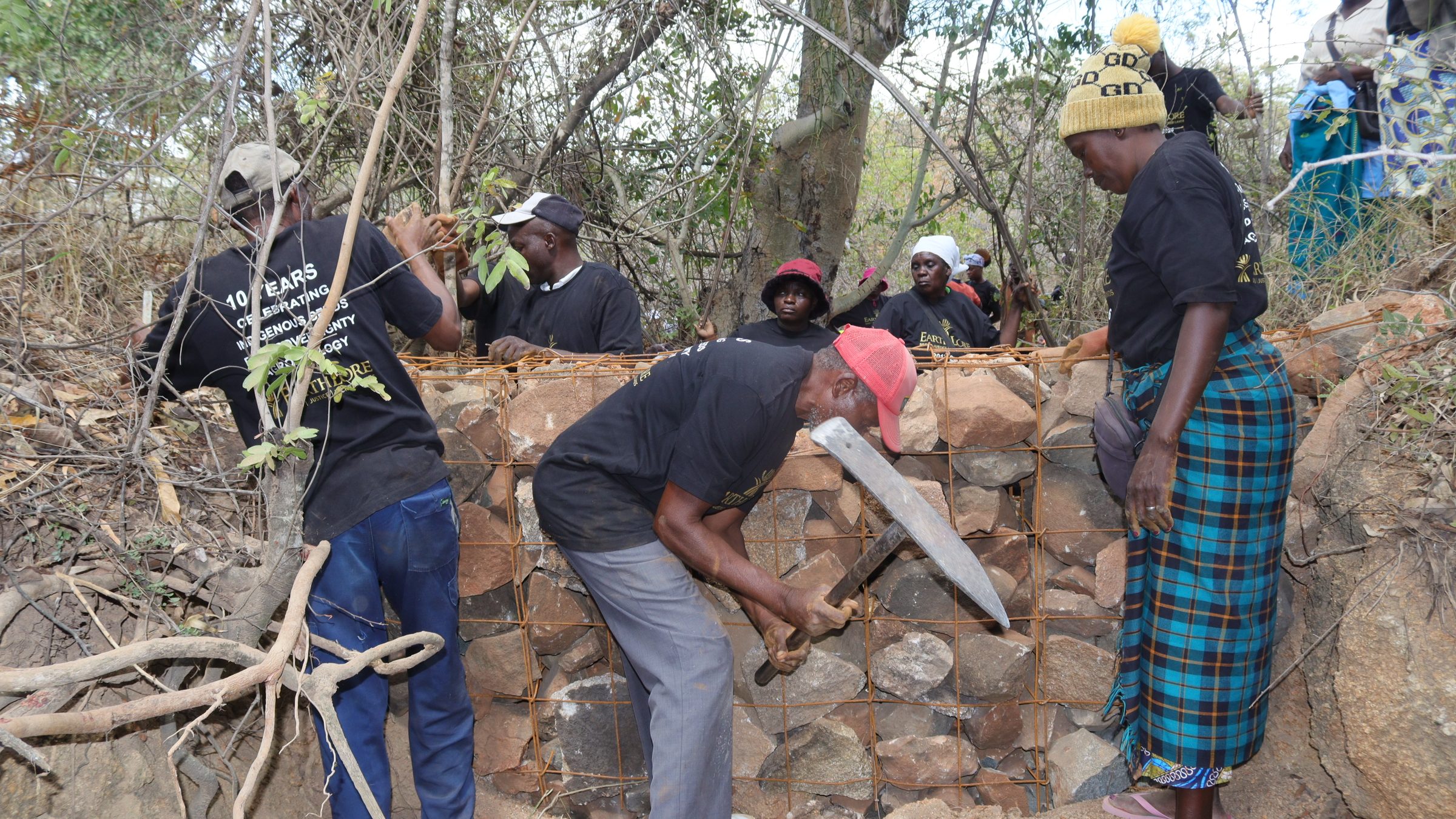
The project commenced over the past two years with watershed mapping conducted by the farmers, followed by the physical construction of soil and water conservation structures. The practical success of these measures took centre stage during the 2026 Bikita Seed Fair that took place from 27-29 August 2026.
Mabheka Garden members hosted an immersive demonstration for visiting delegates, including smallholder farmers from South Africa. Local farmers demonstrated the construction of mesh wire gabions before guiding guests on a field tour of established water management sites throughout Mamutse village.
Community testimonies gathered during the showcase confirm a marked improvement in the local water table, with static water levels in boreholes adjacent to the garden rising significantly. This visible success has inspired a broader wave of local participation, drawing in initially hesitant community members to join the Earthlore initiative.
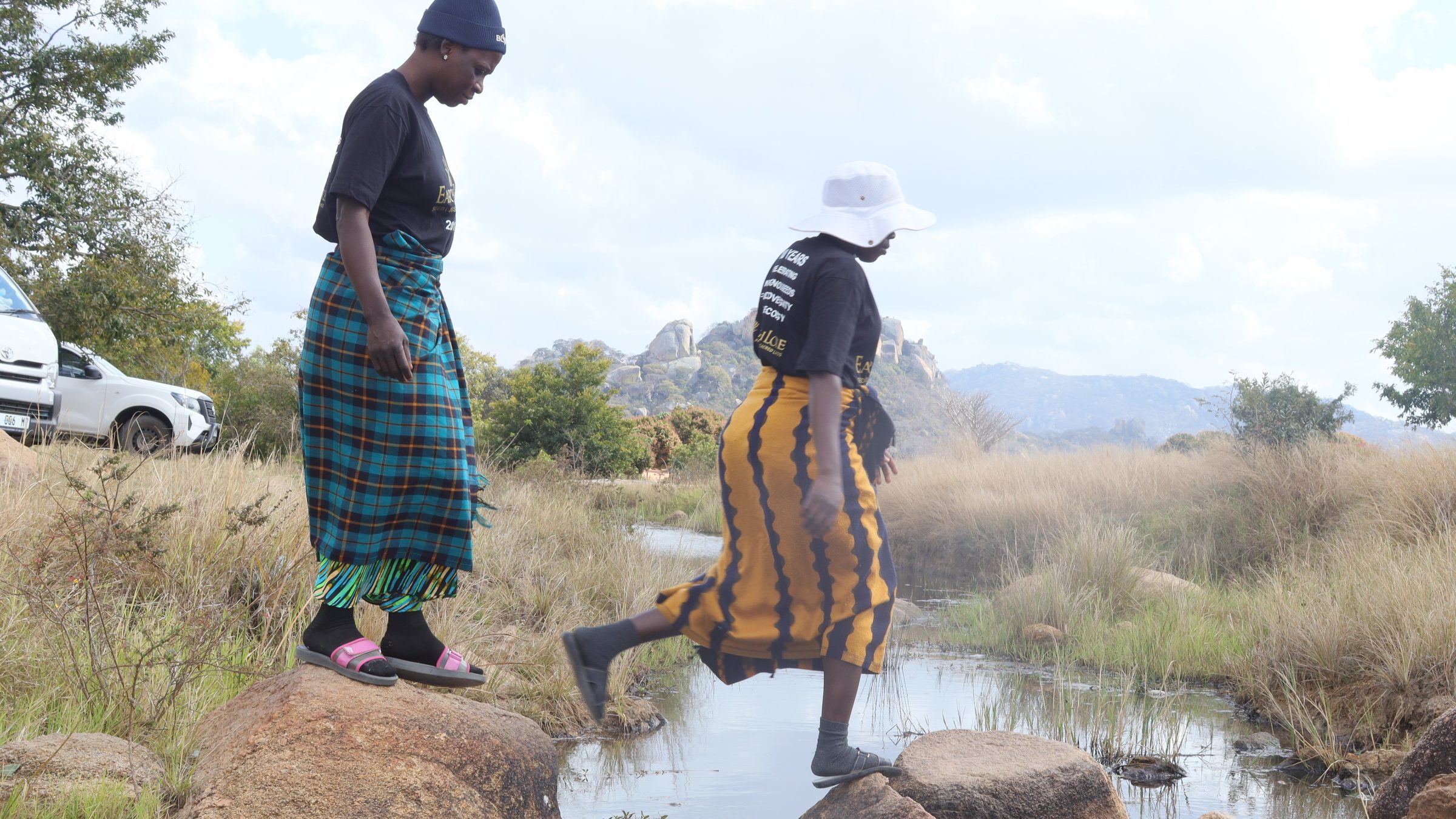
A particularly striking illustration of this ecological recovery is visible along the Chinyasikana River. In previous years, the riverbed would lie completely dry by August. Today, surface water remains visibly retained within the water body.
These achievements reflect the core mission of the Earthlore Foundation, which partners with local communities to restore land, seed, food, and water sovereignty. Earthlore and its community partners are building lasting local resilience against the worsening impacts of climate change.



Post Comment