Celebrating a decade of Bikita Seed Fair
BY STEVE EPHRAEM
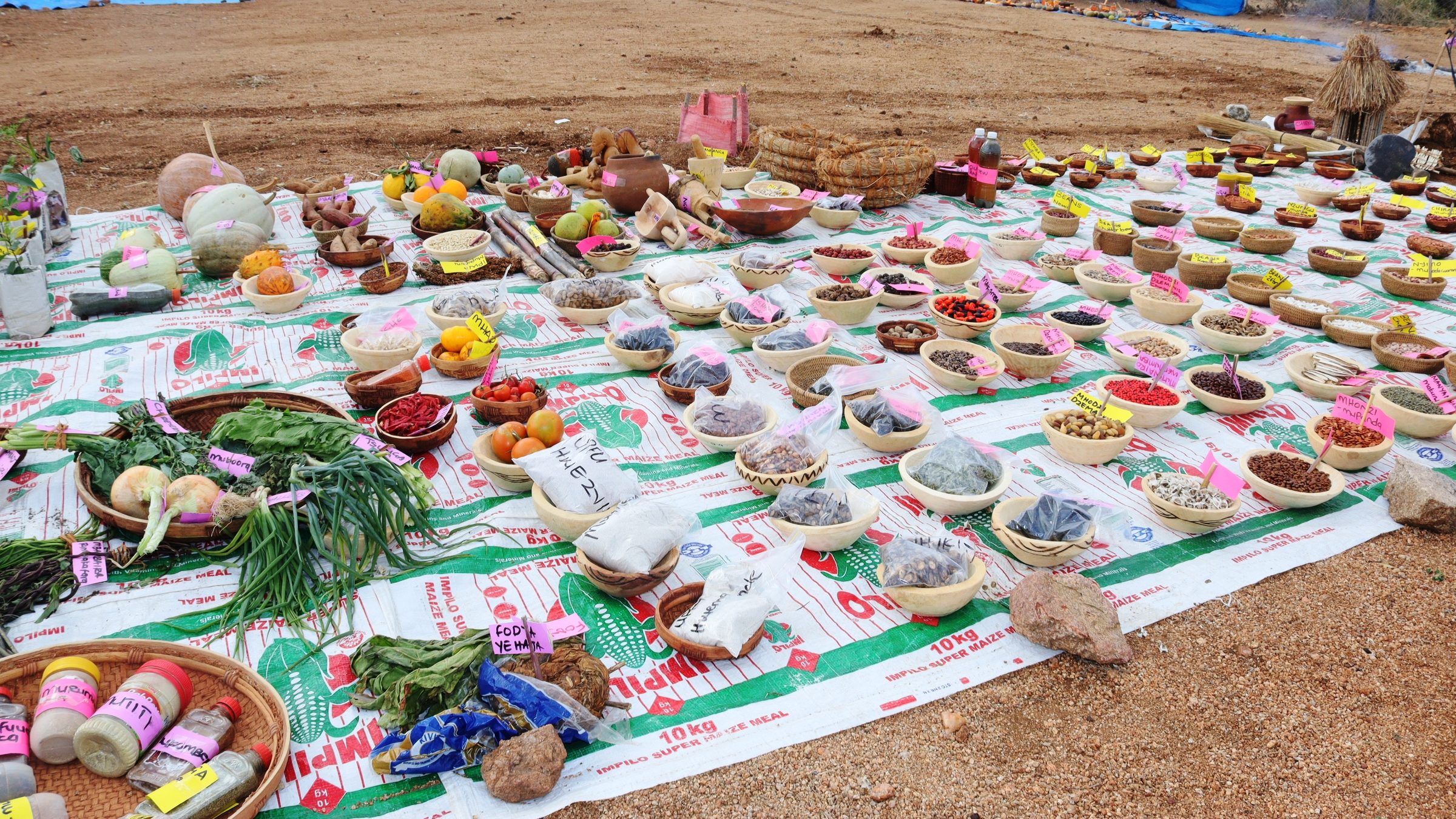
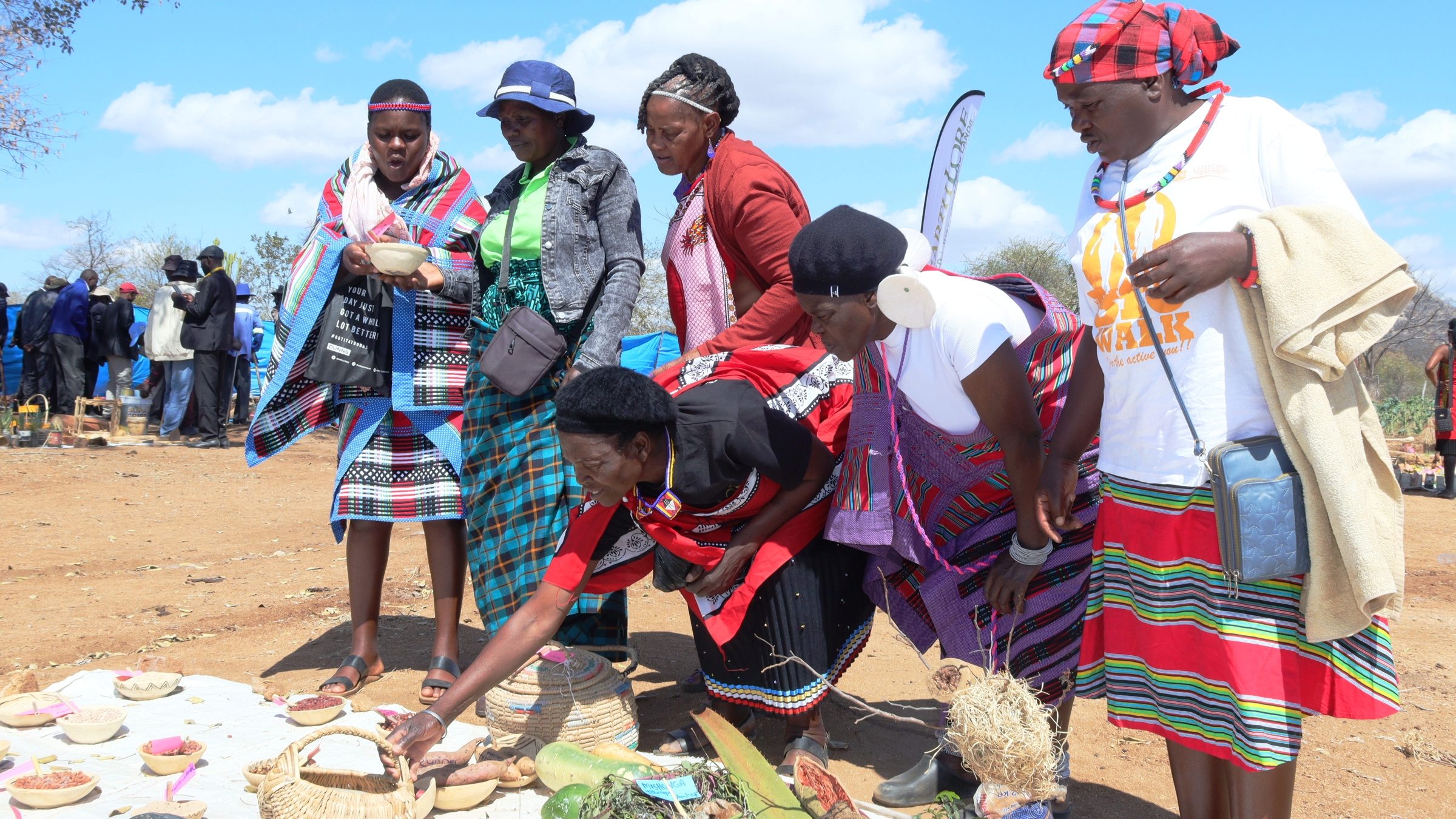
Over the ten years that Earthlore Foundation has operated in Bikita East, Zimbabwe, the Bikita Seed Fair has emerged as one of its defining triumphs. The annual gathering has consistently inspired rural communities to cultivate, revive, and celebrate resilient indigenous seed varieties.
This year’s milestone event took place from 27-29 August 2026. It was hosted at Kumboedza Garden, Masasire in Ward 19 under the theme, “Grow our future rooted in our traditions.”
The fair brought together local smallholder farmers from Mabheka, Kumboedza, Chamas, Chirambaguyo, Maitezano and Dende gardens, alongside visiting delegates from South Africa, illustrating the regional reach of this grassroots agricultural movement. Headmen Nebarwe and Nechirorwe and Chief Budzi were in attendance.
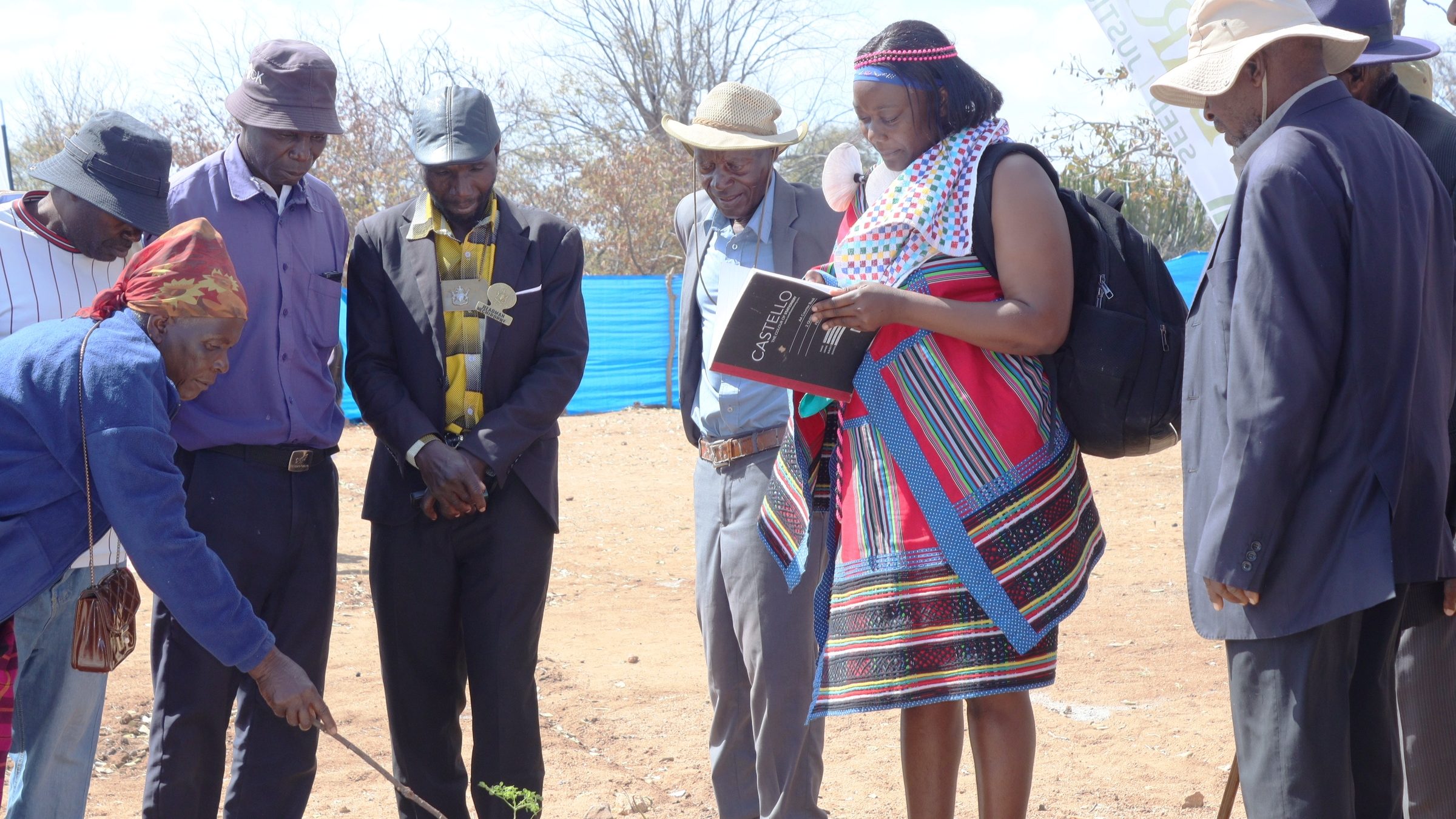
Reflecting on the organisation’s decade-long journey, Earthlore Foundation Communications Specialist Sheila Berry acknowledged during the 2026 edition that the enduring success of the initiative rests squarely on the shoulders of the local population. She recalled a critical moment around 2018 when administrative hurdles threatened to stall the event.
“I remember when there were some problems, I can’t remember the year, maybe 2018, somewhere around there when there were problems in getting Earthlore getting permission to run the Seed and Food Fair. And we were very worried because we thought it was not going to happen.
“And then the farmers said ‘Don’t worry, it’s our event.’ They laid it through and they spoke to the government, they spoke to the officials and the event went ahead. And since then Earthlore plays a very small part. The farmers and the community the leaders, the chiefs are the ones who take this forward. And we’re so impressed. It’s amazing to see,” she said.
Earthlore’s primary legacy in the region is its celebrated work in resurrecting barnyard millet, locally known in the Shona language as svoboda. The climate-resilient grain had vanished from Bikita fields for four decades until targeted interventions brought it back into active cultivation. Today, the crop flourishes across smallholder plots in both Zimbabwe and South Africa, strengthening regional food sovereignty and agricultural diversity.
The past ten years have proven that when communities are empowered to safeguard their agricultural heritage, the results are both transformative and self-sustaining. If Earthlore Foundation decides to expand into new ecological initiatives that support the seed fairs, it will capitalise on established community momentum and deliver measurable climate resilience, and secure sustainable livelihoods for thousands of smallholder families across Southern Africa.



Post Comment