Market intelligence key to reducing post-harvest losses

BY STEVE EPHRAEM
Farmers are suffering post-harvest losses due to a lack of market intelligence, this publication can reveal.
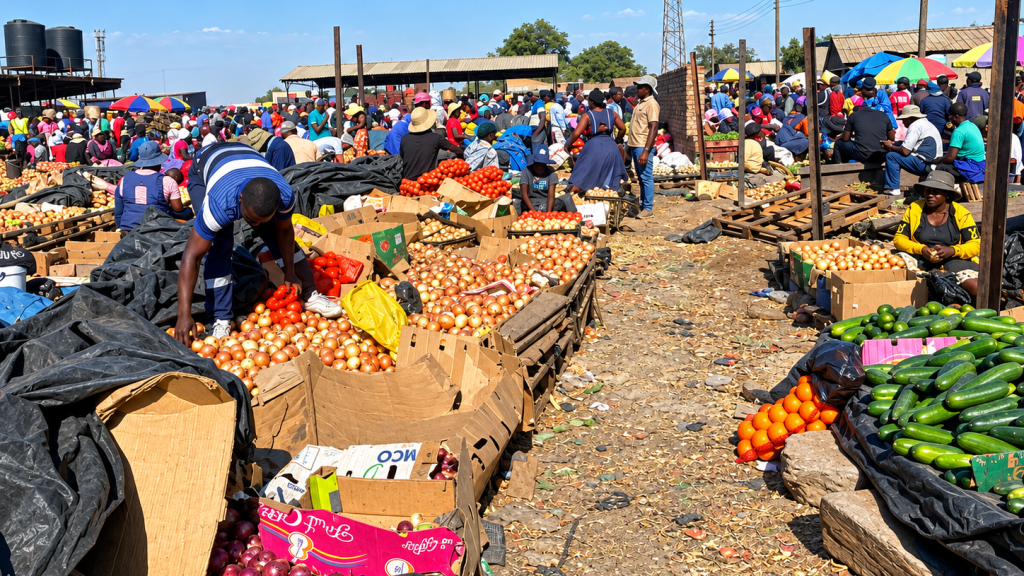
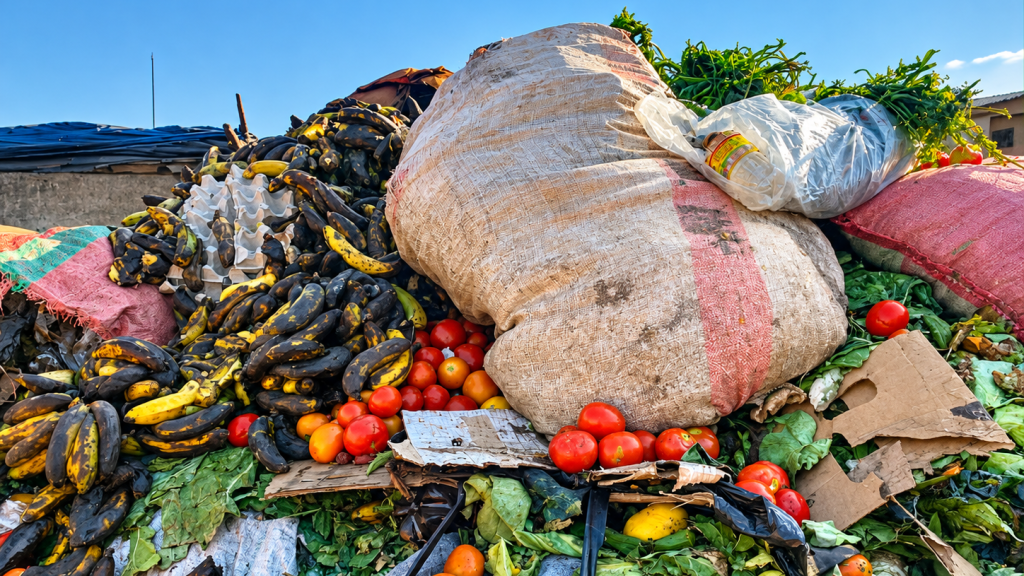
In his submission to a My Food is Zimbabwean Alliance platform, the director of Knowledge Transfer Africa (KTA), whose flagship is eMKambo, which also publishes an e-paper named Mass Market Grapevine, Mr Charles Dhewa said farmers were losing produce both in the fields and at markets due to weak demand, limited consumer purchasing power and competition between commodities.
“Food losses in the mass markets are only a fraction of what is happening in farms. Farmers in Karoi, Mhondoro, Mashonaland East, Rusape, Masvingo, the Midlands and Matabeleland North were abandoning horticultural crops, with some stopping irrigation because of unreliable markets. Why would they spend water, labour and energy on food that doesn’t have a reliable market?” he asked.

Mr Dhewa warned that continued market failures could discourage production and slow the recovery of the national food system following the effects of El Niño.
He called for reliable data on crops being grown, production requirements and expected volumes to help farmers make informed planting decisions. He also urged farmers to monitor changing consumer preferences and competition between commodities, citing Mbare Market as a key source of market intelligence.
Mr Dhewa further noted that rising demand for mazhanje (wild loquat) fruit was squeezing cucumber sales as traders opted for commodities offering better returns.
“Instead of buying a semia of cucumber for $20–$25 and earning $10 profit, vendors are opting to buy four to five buckets of mazhanje and earn more than $20 profit,” he added.
The shift had pushed cucumber prices down to between US$7 and US$15 per semia, highlighting the risks farmers face when production decisions are not guided by market trends.
Mr Dhewa said reducing losses also required investment in markets to stimulate demand and ensure consumers could afford the produce being supplied.
“If $5 million is invested on the production side, where does the market get $5 million to buy what is produced by the farmers?” he asked.
He said the mismatch between production and purchasing power resulted in losses both on farms and in markets.
Mr Dhewa also highlighted the role of climate and pests in shaping agricultural output. He identified Chiredzi, Mwenezi and Muzarabani as major watermelon-producing areas, noting that Chiredzi had recorded higher volumes and better-quality fruit this year.
He said farmers needed to combine market intelligence with information on production trends and climatic conditions to minimise waste, improve returns and strengthen the country’s food system.


Post Comment