Biofertilizers: A new revolution

A revolution can be described as a dramatic and wide-reaching change in conditions, attitudes, or operation.
World over, conventional agriculture is in fashion. This is where a farmer usually clears the fields, use certified seeds (that include hybrids and genetic modified organism) and apply chemical pesticides, chemical herbicides and apply synthetic fertilizers in order to maximise yields per hectare.
On the other hand, there is organic farming. This is where a farmer doesn’t not disturb the ecosystem, makes use of biofertilizers and apply organic means to control pests. It can be termed as the one that is claimed to regenerate the health of soils, ecosystems and the people.
In this advent of agroecology, a practice that promote local methods of farming which doesn’t destroy the environment in the process; farmers argue that returning to the basics of farming using traditional methods is the way to go.
During this era of climate change, Zimbabwe is taking strides to adopt and/or promote climate sensitive agriculture. Agroecology is seen as a practice that fits perfectly in climate sensitive agriculture.
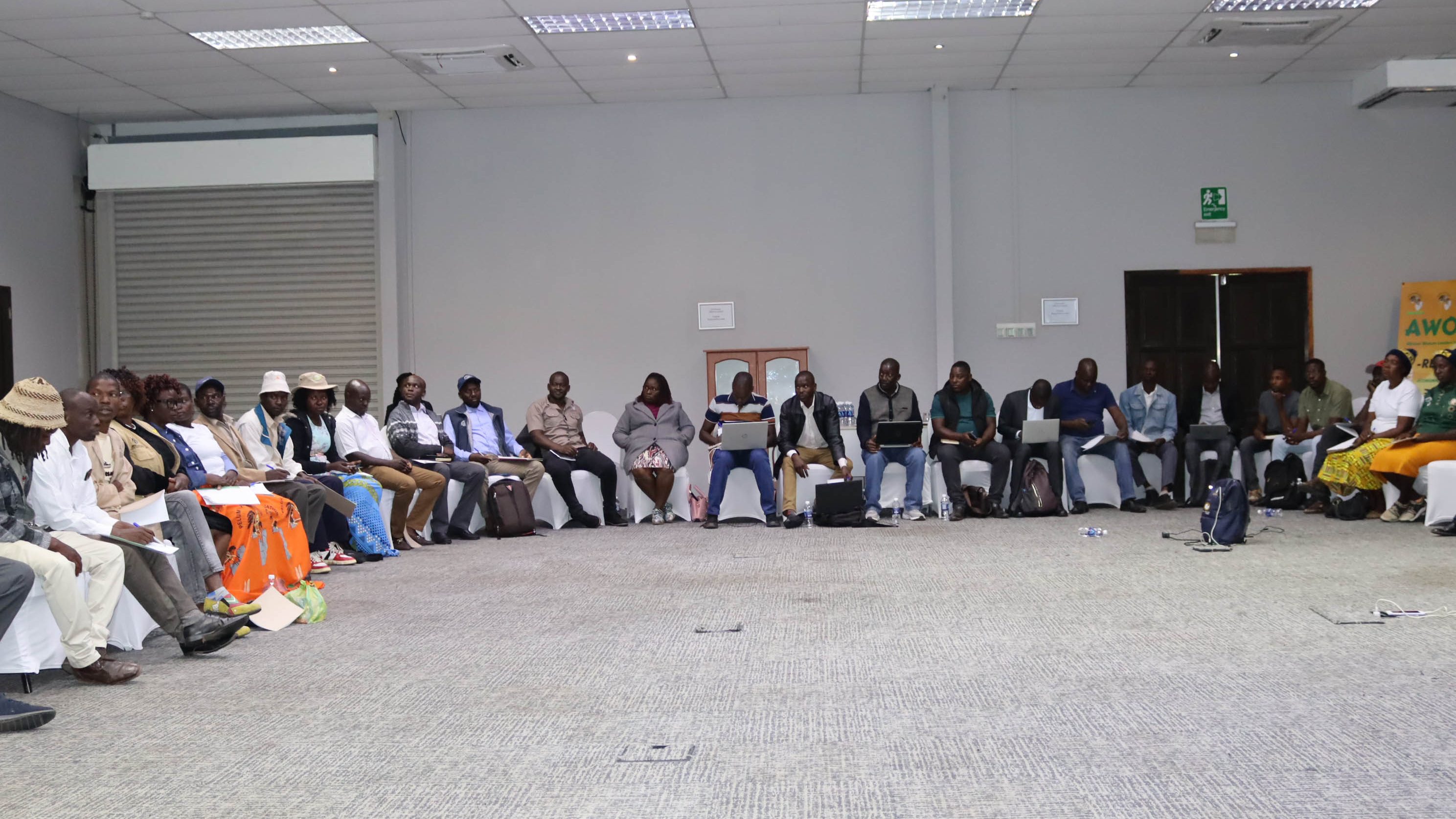
In order to discuss and find solutions to challenges that affect farmers in their agroecological trade as well as exchanging knowledge and networking, a non-profit making organisation named Participatory Ecological Land Use Management (PELUM) Association Zimbabwe organised a national dialogue on participatory action research on agroecology. The dialogue took place in Harare on June 06, 2024.
The forum comprised of delegates from Chimanimani, Chipinge, Victoria Falls, Zvishavane, Gutu, Harare, Bindura, Goromonzi and Mwenezi. During this gathering, concepts that include the growing of traditional seed, the use of biofertilizers, water harvesting and holistic livestock management became topical.
The issue of using biofertilizers, especially the one named bokashi, stole the limelight.
Delegates gave testimonies on how the use of biofertilizers alongside water harvesting techniques helped them to sail through the 2024 El Nino induced drought.
The moderator, Dr Witness Kozanai, was impressed by what farmers have already started and challenged them why they have taken long to formally register the product when all farmers strongly agree that biofertilizers bring good yields during dry spells.
As a way forward, the director of Research Services Department in the Ministry of Lands, Agriculture, Fisheries, Water and Rural Development, Dr Claid Mujaju advised farmers that they need to work hand-and-glove with his department in order to do more research on bokashi as well as helping to register it as a patent.

In her closing remarks, the Country Coordinator for PELUM, Gertrude Pswarayi acknowledged the need for farmers to incorporate the government in their researches on biofertilizers. She went further to thank farmers for complimenting government efforts in mapping an agroecological policy.
As the national dialogue came to an end, there was no doubt that agroecology farmers have embarked on a new revolution.

Post Comment