Criminalising seed-sharing is a recipe for hunger, UN warns
SPECIAL REPORT
Penalties of up to 15 years in prison for saving and exchanging seed are accelerating a corporate land-grab of the world’s genetic commons — and the poorest farmers are paying the price.
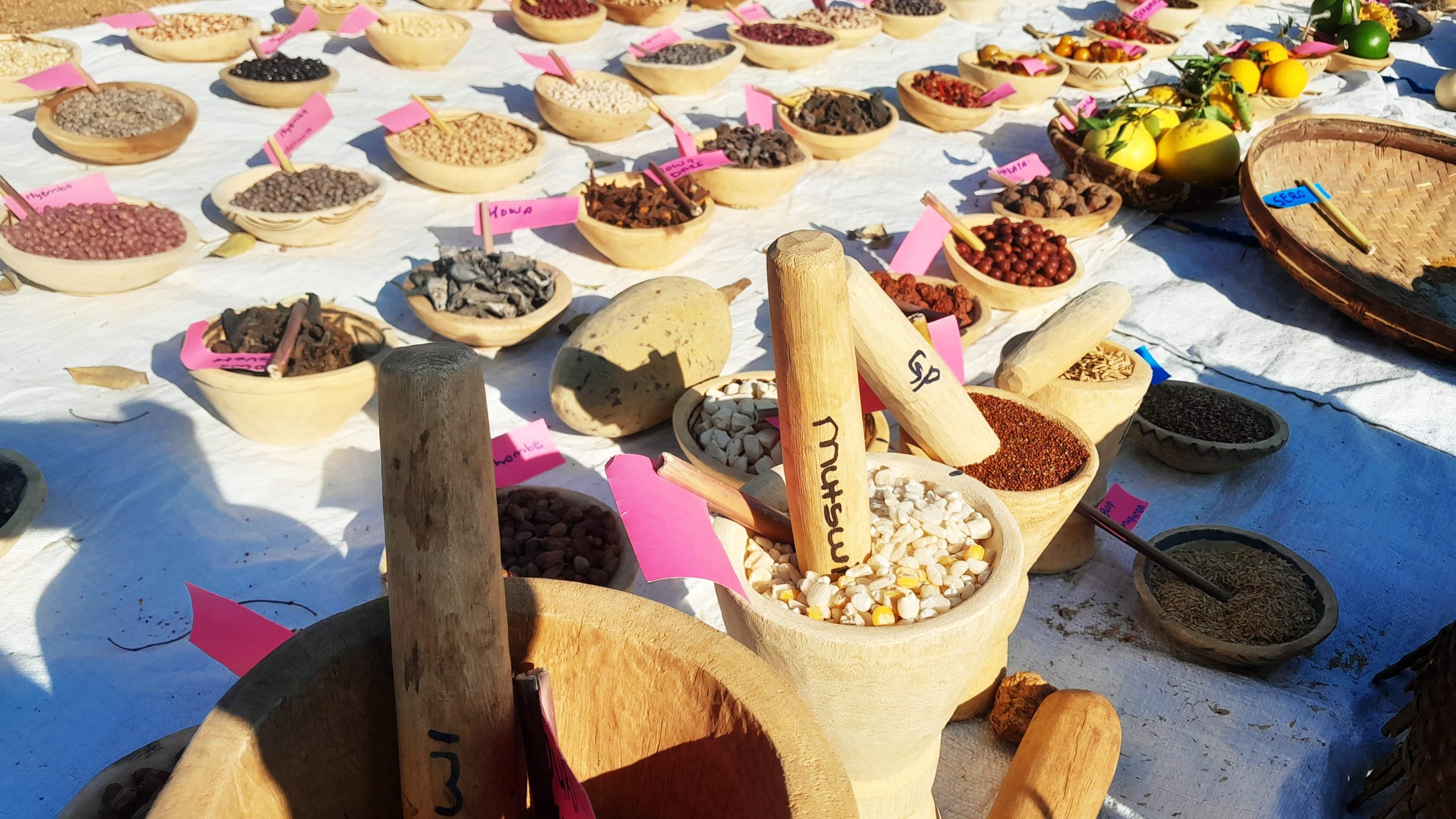
The humble act of saving a handful of seed from one harvest to sow the next has become a criminal offence in much of the world, and UN human rights experts now warn that the consequences extend far beyond the farms being fined.
In a report to the UN Human Rights Council published this week, the Working Group on the rights of peasants and other people working in rural areas paints a stark picture of a global legal architecture that treats traditional seed systems not as heritage but as piracy. Farmers in Africa, Asia, Europe and Latin America face fines and, in some jurisdictions, up to 15 years’ imprisonment for practices that predate the concept of intellectual property by millennia.
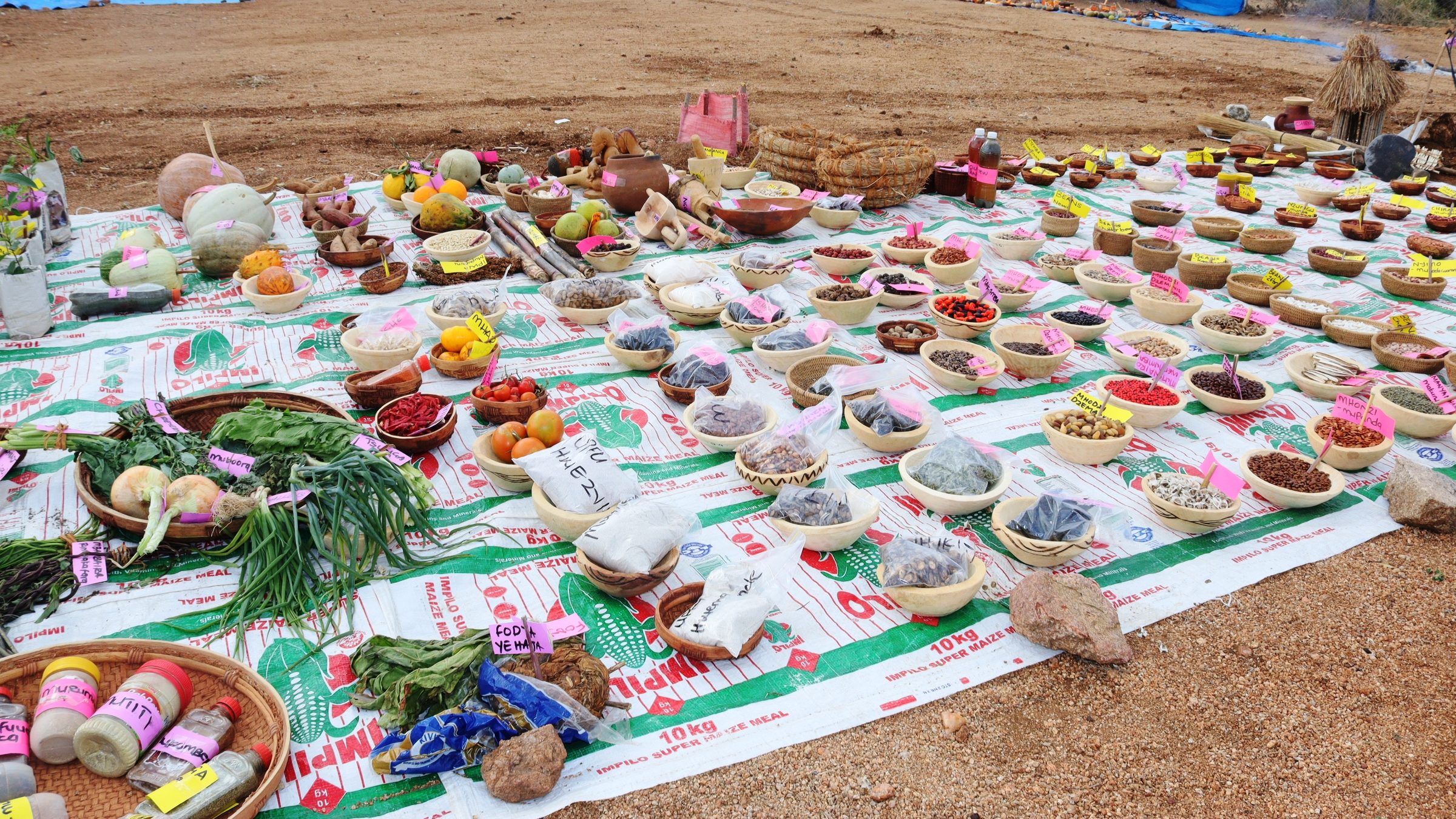
The numbers alone should give policymakers pause. Almost all human food begins as seed, and traditional systems supply between 70 and 90 per cent of the seed sown in many countries. Criminalising those systems is not a fringe regulatory question; it strikes at the foundation of global food security.
A legal regime built for the wrong market
At the heart of the problem lies a fundamental mismatch. Plant variety protection laws, modelled on the 1991 Act of the International Union for the Protection of New Varieties of Plants (UPOV 1991), were designed for uniform, industrial seed markets. Certification rules permit the sale or exchange only of catalogued varieties.
Peasant varieties, by contrast, are intentionally diverse and continually adapting — precisely the traits that make them resilient to drought, floods and disease. They do not, and cannot, meet industrial standards. Under the prevailing rules, a farmer trading her own traditional seed becomes a trader in “counterfeit” goods.
This is not an accident of drafting. The report traces the pressure directly to trade agreements that increasingly require States to adopt UPOV 1991, and to World Bank financing conditioned on UPOV-aligned reform. Sovereignty over seed policy, in other words, has been quietly traded away in exchange for credit.
Enforcement has hardened
What makes the report particularly timely is its documentation of how enforcement has escalated. Infringements once settled as private civil disputes are now pursued as crimes against industrial property. Molecular markers, drones, satellite imagery and anonymous tip lines invite reports of “suspicious seed activity” — a surveillance apparatus more usually associated with counter-terrorism than with agriculture.
The concentration of market power explains the intensity of the crackdown. Four corporations — Bayer, Corteva, Syngenta and BASF — control more than half of US$81 billion in annual seed sales. Patents are increasingly staked on digital sequence information, allowing companies to claim traits without ever obtaining the physical seed. It is a form of enclosure that would have been unrecognisable to the legislators who first drafted plant breeders’ rights.
Women bear the brunt
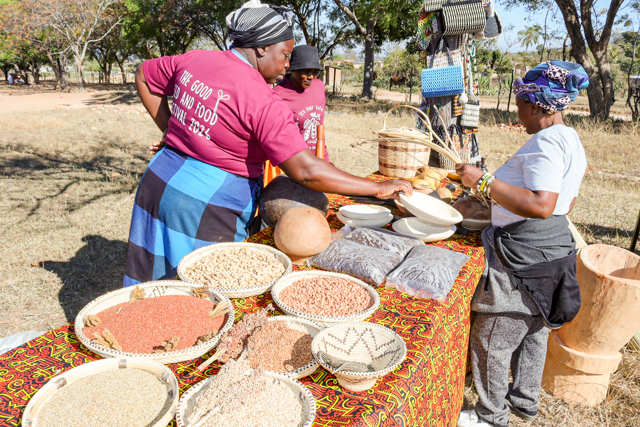
The report is careful to note the gendered dimension of this crackdown. Women are the principal custodians of seed in many rural societies, selecting, adapting and making available local varieties. That role protects families from debt incurred through purchased seed and expensive inputs.
When traditional practices are criminalised, it is therefore women’s income and food autonomy that are undermined first. A policy ostensibly concerned with protecting innovation functions, in practice, as a transfer of wealth and control away from the poorest farmers.
Resistance and precedent
There are signs of pushback. In November 2025, the High Court of Kenya at Machakos held that seed sharing is not a crime. More significantly, in 2021 the Supreme Court of Honduras struck down the country’s plant variety protection law, citing articles 19 and 20 of the UN Declaration on the Rights of Peasants — among the first judgments anywhere to invoke the Declaration.
These rulings offer a template. The Working Group urges States to write article 19 of the Declaration into national law, repeal provisions criminalising peasant seed practices, and exempt traditional seed systems from industrial-market rules.
The stakes
The report’s most urgent warning concerns irreversibility. Peasant seed survives only by being grown, exchanged and reselected. Varieties kept but not planted stop adapting; knowledge not passed on is gone within a generation. What is at risk, the experts caution, is not only the seed already collected but the knowledge and capacity to produce more.
There is also the question of outright destruction. The report notes that in December 2025 military raids forced the closure and seizure of the only Palestinian community-managed seed bank, which held more than 70 varieties collected across the West Bank and Gaza; its seed-multiplication unit had been bulldozed five months earlier. War and occupation, the Working Group observes, destroy seed systems outright.
An untenable contradiction
The international community has committed itself to ending hunger, protecting biodiversity and adapting to climate change. It has simultaneously exported a legal regime that criminalises the very practices most likely to deliver those goals.
“Seeds are the material basis of the rights to life, food, health, culture and a healthy environment before they are articles of commerce,” said Shalmali Guttal, Chair-Rapporteur of the Working Group.
That ordering of priorities is the crux of the matter. Until States treat seed as a common inheritance rather than a corporate asset, the laws intended to spur innovation will continue to punish the people who feed the world — and the genetic diversity on which all future food security depends will continue to erode, one uprooted variety at a time.

Post Comment