Breakthrough on Just Transition text claimed as fragile by ActionAid

BY STEVE EPHRAEM
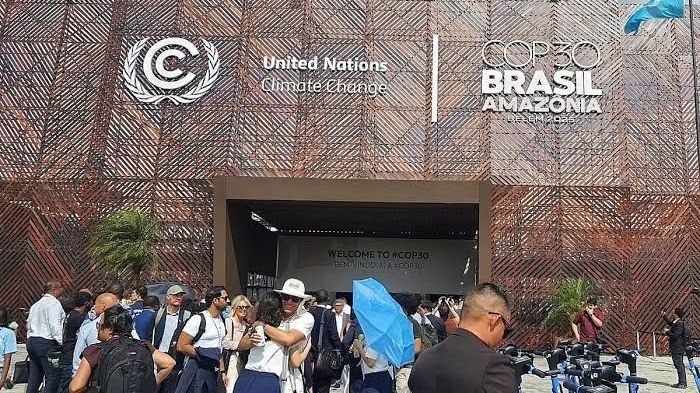
In a significant development at the ongoing climate negotiations, a new draft agreement on a “Just Transition” has been published, drawing a cautious welcome from humanitarian organisations. The text, which emerged in the early hours of Tuesday morning following marathon discussions, has been described as a step forward, yet one that remains perilously vulnerable to being undermined.
Teresa Anderson, Global Lead on Climate Justice at ActionAid, acknowledged the positive strides within the document. She stated that the world is “getting closer to a climate agreement that leaves no one behind,” highlighting the inclusion of unprecedented language that specifically addresses the needs of marginalised groups. These communities, she noted, face the greatest risk of being overlooked or inadvertently harmed by the implementation of climate policies.
However, Ms Anderson was quick to temper optimism with a stark warning, labelling the progress as “fragile.” She emphasised that without a concrete and formal mechanism to ensure that vulnerable populations are genuinely included and supported, the promising language risks becoming “all just words.”
The criticism was directed pointedly at several developed nations, with Canada and the United Kingdom singled out for particular scrutiny. Anderson accused these countries of “talking a big, empty game on just transition,” alleging that they are insisting on maintaining underwhelming approaches. She characterised their positions as relying on non-binding guidance and perpetual dialogues, which fall short of the robust action required.
To truly ensure that global climate action addresses existing inequalities rather than exacerbating them, Anderson argued, the world needs coordinated and accountable action established through a proper, standing mechanism within the UN framework. The current text, while improved, leaves this fundamental requirement unresolved, setting the stage for critical negotiations in the days ahead.


Post Comment