COP29 Climate Finance outcome disappoints developing countries: Criticised as “Not worth the paper it’s written on”

BY STEVE EPHRAEM
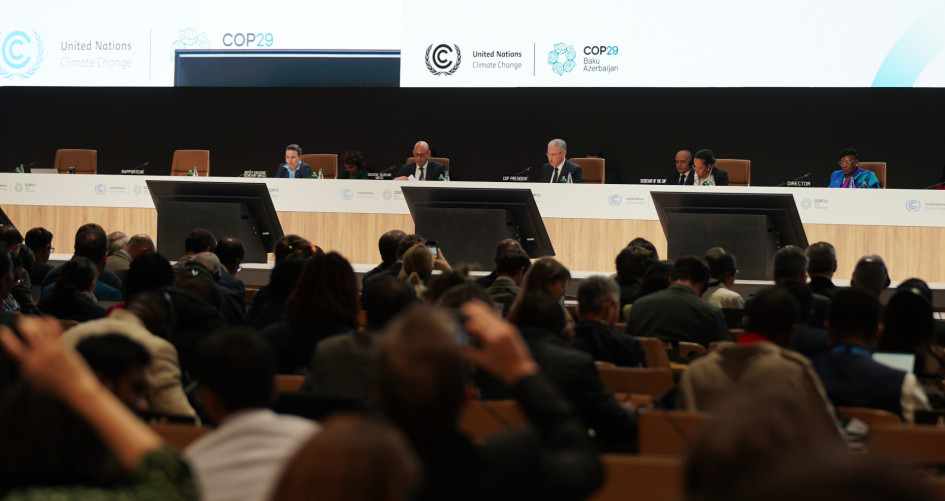
As the curtains came down, a new finance goal to help countries protect their people and economies against climate disasters was set, a paper known as the New Collective Quantified Goal on Climate Finance (NCQG), agreed to provide USD 300 billion annually to developing countries by 2035.
Reacting to the final NCQG text at COP29, Teresa Anderson, Global Lead on Climate Justice at ActionAid International, expressed strong disappointment.
“This text is not worth the paper it’s written on. Almost nothing of what frontline countries have been fighting for is in here,” she said.
Anderson criticised the text for being superficially impressive but lacking in substance.
“Superficially the numbers may look bigger than the previous 100bn climate finance goal. But scratch the surface, and this is packed full of loans.
“In order to artificially bulk out the numbers with existing funding streams, it is trying to count everything, everywhere all at once, while also shifting the burden onto developing countries,” she added.
Brandon Wu, Director of Policy and Campaigns at ActionAid USA, also expressed disappointment.
“This ‘Finance COP’ was supposed to unlock the money needed by developing countries for climate action. Instead, thanks to some appalling intransigence from developed countries, developing countries are getting an arguably worse deal than what they had before. The vaguely worded weak targets in the COP29 outcome provide no real leverage to ensure developed countries pay their fair share.
“Developed countries, led by the United States, have long sought to escape their obligations to reduce emissions and provide finance. Their strategy culminated in Baku, where – in addition to setting a pathetically low goal of $300 billion per year by 2035 – developed countries successfully watered down the language about who exactly should be paying and how.”

Post Comment