RCCA member concerned about refugee resettlement hurdles

BY STEVE EPHRAEM
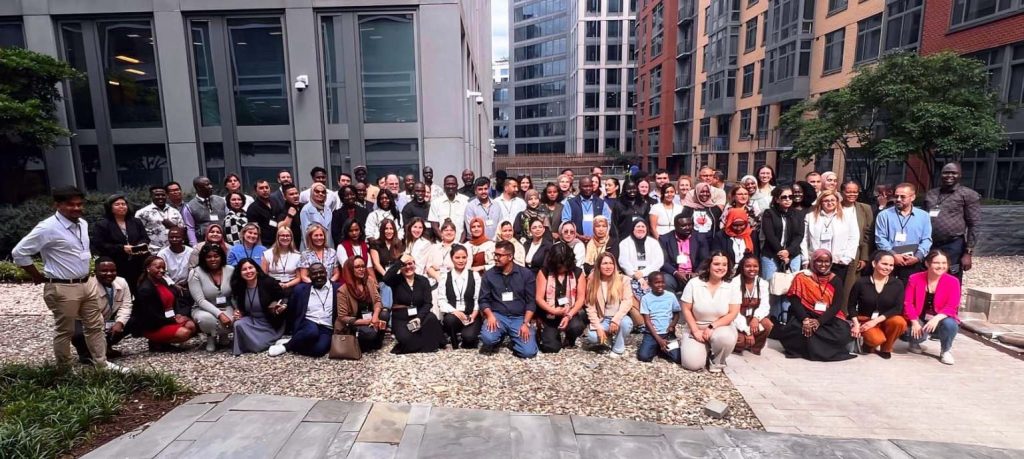
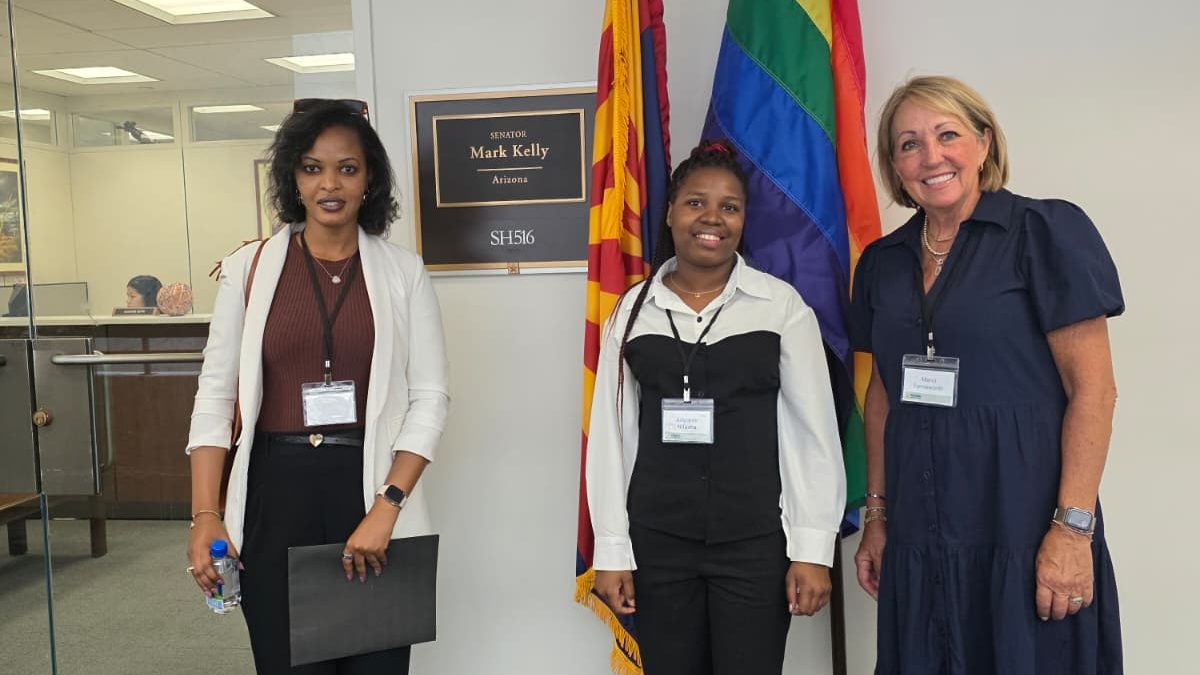
A founding member of a youth-led initiative named Refugee Coalition for Climate Action, which is based at Tongogara Refugee Settlement in Chipinge, Zimbabwe, participated in the recent Advocacy Days held in Washington, D.C. from 8th to 10th June 2026.
Adelaide Nifasha, who relocated to the United States of America a few years ago, shed light on the profound challenges confronting refugees and asylum seekers in America. Drawing from her personal experiences as a former resident of Zimbabwe, Nifasha presented a series of important talking points that underscored the urgent need for reform in the country’s humanitarian policies.
Central to her presentation was the issue of travel bans imposed on certain nations. Nifasha questioned the rationale behind such restrictions, emphasising that they disproportionately affect individuals who pose no threat.
She shared the poignant example of friends from Burundi who had secured full scholarships to study in the United States but they were unable to take up their places due to the bans.

Similarly, she recounted the heartbreaking case of families from Tongogara Refugee Settlement in Zimbabwe, who had already been enrolled in the recently suspended resettlement programme, completed all necessary procedures, sold their belongings, and were residing in a hotel in Harare only to be turned away at the final stage. The devastation of returning to rebuild their lives from scratch, she argued, is a burden no family should endure.
Nifasha also addressed the administrative hurdles facing refugees already in the United States.
She highlighted the precarious situation of individuals reliant on work permits, which expire before green cards are issued, leaving them at risk of losing their livelihoods through no fault of their own.
She stressed that refugees are not responsible for issuing these documents and called on policymakers to expedite the process. Furthermore, she raised concerns about proposed cuts to medical aid and food stamps for those without green cards, services that are vital for families rebuilding their lives.
Nifasha’s remarks serve as a powerful reminder of the human cost of bureaucratic delays and policy gaps. Her testimony urges stakeholders to champion sustainable solutions that uphold the dignity of displaced communities.

Post Comment