Donor funding cuts leave young women at greater risk

BY STEVE EPHRAEM
Recent cuts in donor funding have led to a sharp rise in protection risks for young women and girls at Zimbabwe’s Tongogara Refugee Settlement, a training workshop has revealed.
The event, held recently and organised by the Zimbabwe Resilience Network (ZRN) with funding from ActionAid, heard that the reduction in financial support has forced the closure or scaling back of safe spaces for vulnerable groups. As a result, many young women and girls now face limited access to critical information, referrals, and support services for gender-based violence, sexual exploitation and abuse, and mental health care.
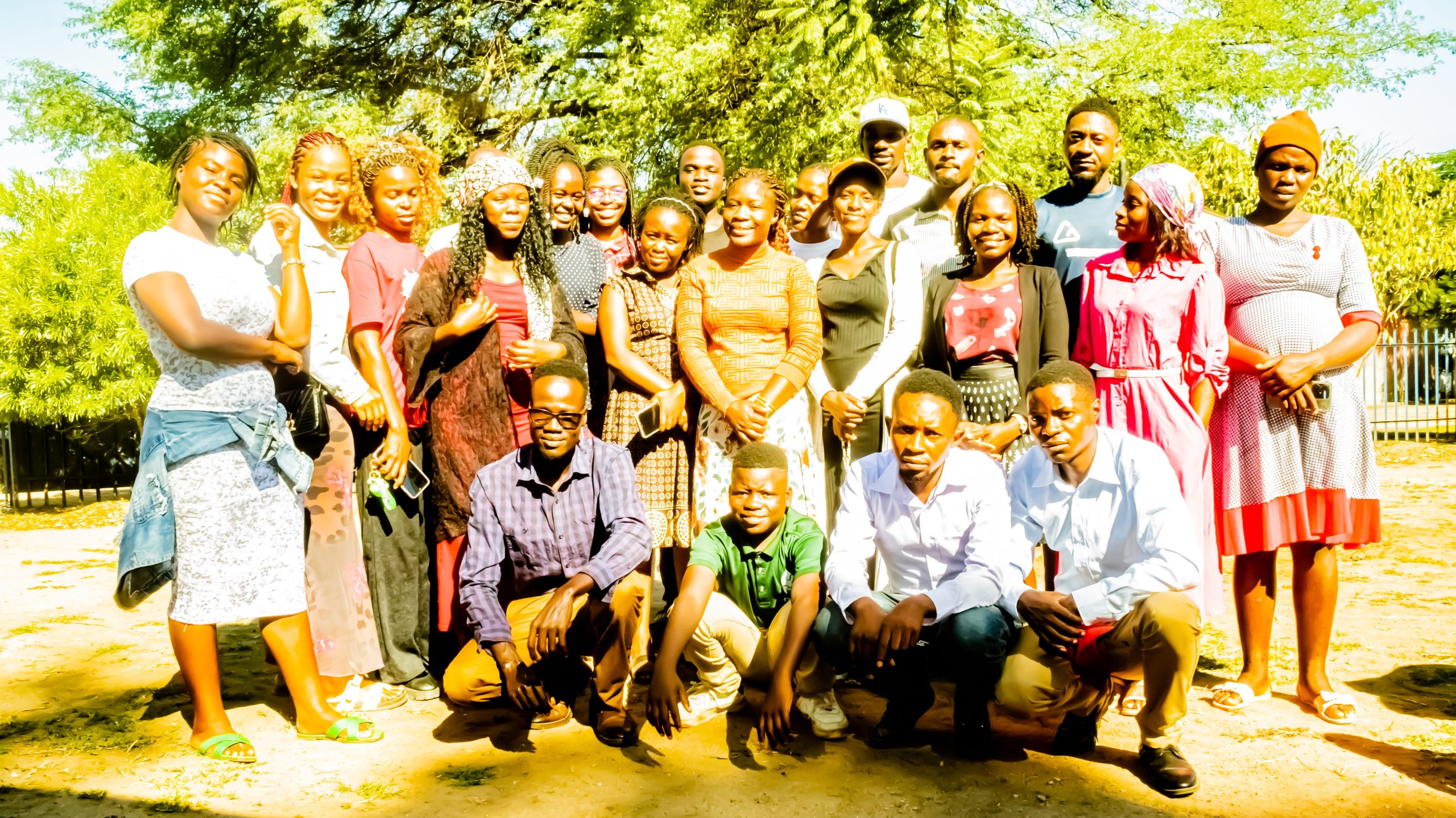
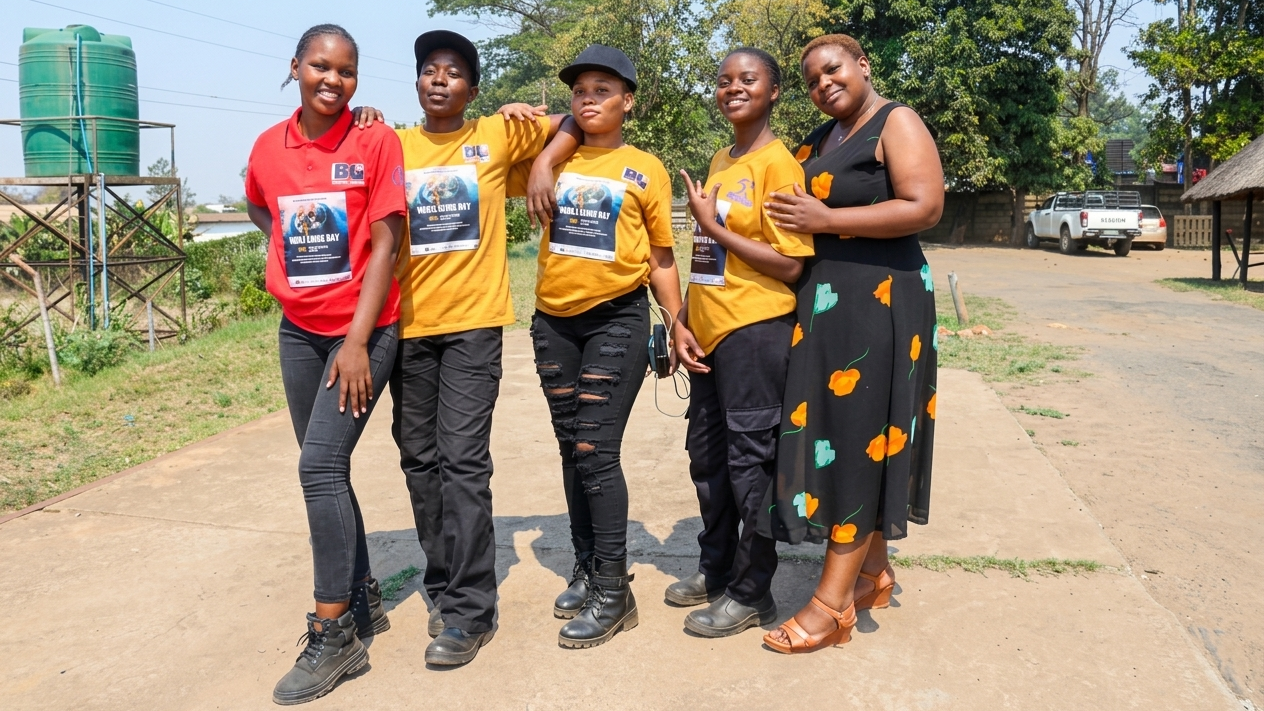
Attendees included young women from The Green Institute in Mount Selinda, as well as refugee-led youth organisations such as the Refugee Coalition for Climate Action, the Transformative Innovation Hub, and TWEENS.
Speaking on behalf of the settlement’s administrator, Isabel Chabatabere said protecting people remains the government’s core duty.
“As the Department of Social Development, our main mandate is protection. We protect refugees and asylum seekers. Even in the host communities, we make sure we protect everyone from birth to death. We are happy that this training fits into our focal area,” she said.
Zimbabwe Resilience Network’s National Coordinator Diana Tsitsi Harahwa outlined that donor fund cuts make the issue of protection a considerable challenge.
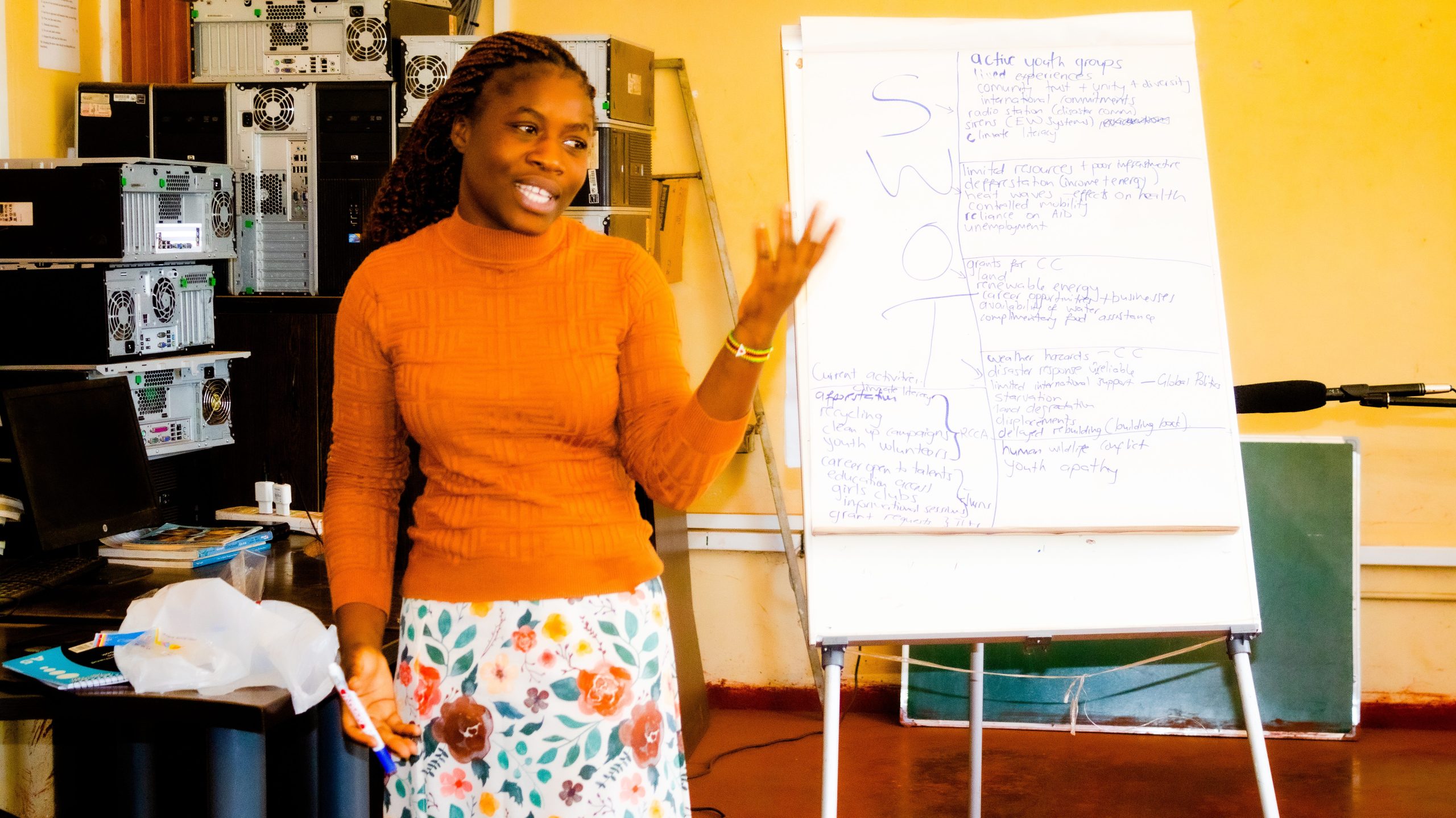
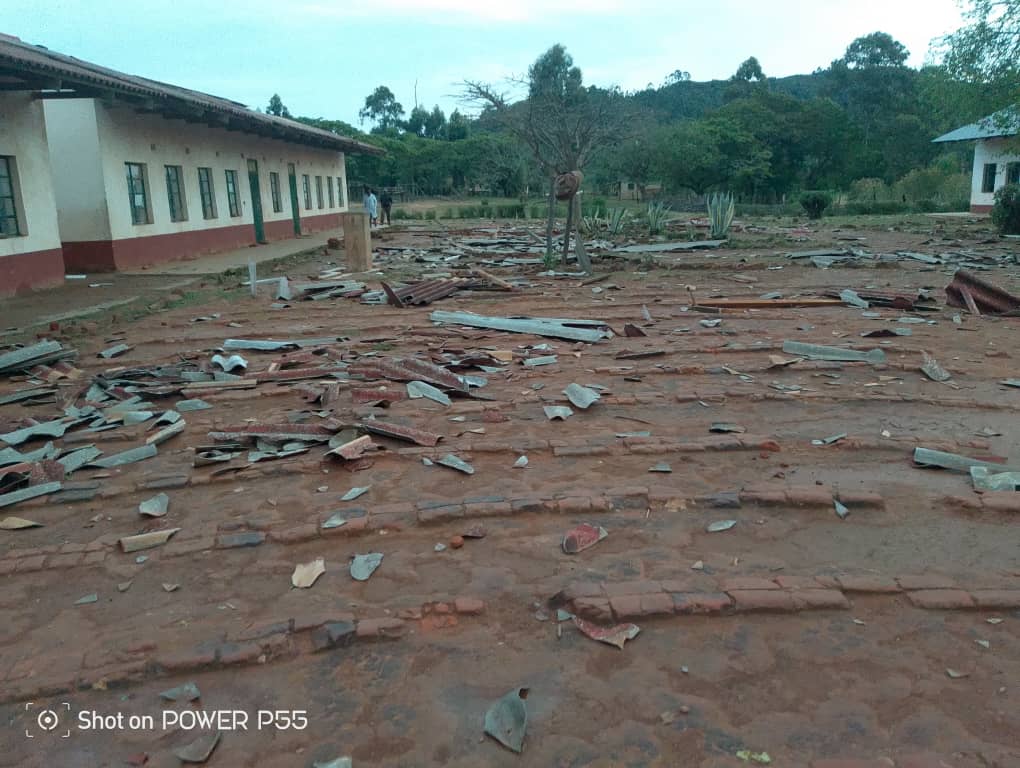
“When you hear the word protection, what comes to mind? Climate change is real, and we live with it every day. Here, you experience heatwaves. We are looking at how young people can protect themselves in this era of climate change and shrinking humanitarian aid.
“Protection remains a human right, even when resources are limited. Discussions from the workshop will feed into the 46th SADC Heads of State and Government Summit in South Africa, where ActionAid Zimbabwe will present a regional policy brief on youth protection,” she said.
Participants noted rising cases of gender-based violence, school dropouts, child labour, early marriages, drug abuse, and community tensions. These pressures are leading to higher levels of trauma, anxiety, and depression, especially among women and youth.
However, the workshop also identified local strengths, including early warning systems and climate literacy, and called for greater use of community radio to voice concerns.
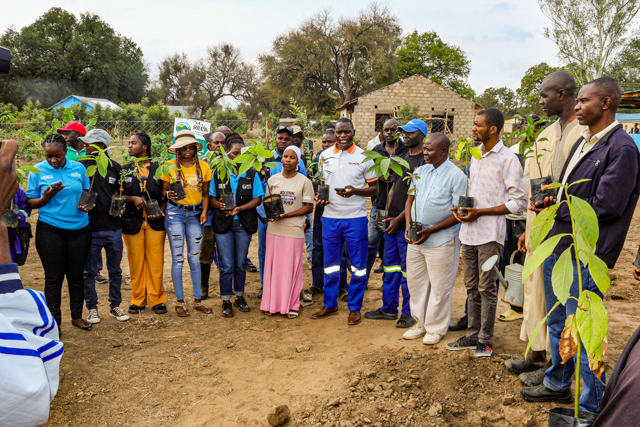
As young women face increasing protection risks, the Zimbabwe Resilience Network has urged them to build resilience. To support this, delegates were taken on a tour of resilient projects that are run by youth-led organisations operating in Tongogara Refugee Settlement. The tour served as an opportunity for knowledge exchange and learning, with a particular focus on exploring adaptation strategies to strengthen climate-smart agricultural practices.
At the end of the training, the workshop enabled young women to design localised protection action plans shaped by their own protection analysis and lived experiences, and ZRN seeks to champion the protection of youth especially young women through grassroots advocacy

Post Comment