From Awareness to Action: Climate Change and African Tourism

BY ROPAFADZAISHE MUSHOORWA
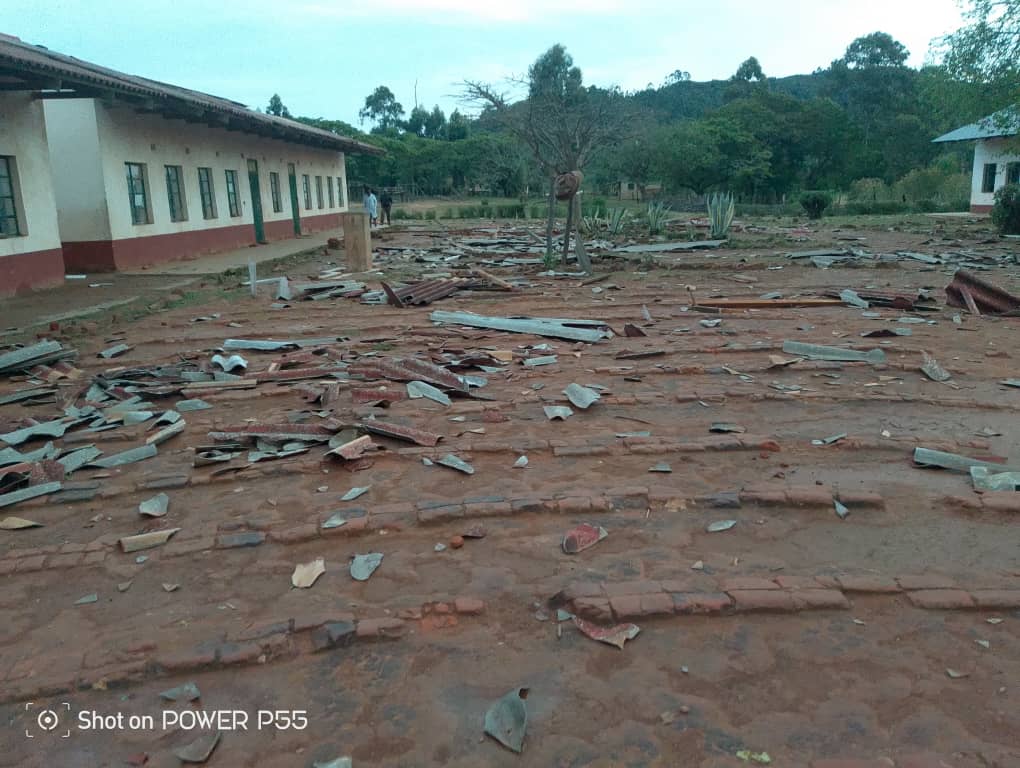
For years, climate change has been a key topic in tourism. Conferences, sustainability pledges, and research have all reflected growing awareness. Many in the sector understand the problem. But awareness alone is no longer enough. Climate change is no longer a distant risk it is already shaping how tourism businesses operate, affecting energy supply, water availability, food systems, infrastructure, and guest experiences.
Globally, some regions offer powerful examples of what operationalized climate action looks like. In Europe, hotels and lodges have embedded sustainability into daily operations. Energy-efficient designs, renewable energy systems, water-saving technologies, and waste reduction practices are standard. Staff are trained in climate-conscious practices, and guests are actively engaged in sustainability measures without compromising comfort. Policy frameworks and incentives reinforce these practices, creating ecosystems where climate action is part of routine business, not an optional add-on.
For African hospitality operators, these examples offer both inspiration and urgency. Climate change here presents unique challenges prolonged heatwaves, droughts, unreliable electricity, and rising food costs but it also presents opportunities to act early, innovate, and build resilience. Operationalizing climate change in African tourism is not about copying European systems; it is about translating principles into locally relevant, practical action.
Practical steps can include energy audits and efficiency measures, investment in renewable or hybrid solutions, careful water monitoring and storage, waste reduction, local sourcing of food, and flexible operational planning. Guest engagement is critical. Transparent communication, climate-conscious experiences, and responsible practices allow visitors to participate without feeling burdened. Thoughtfully integrated, these measures enhance guest satisfaction while building long-term resilience.
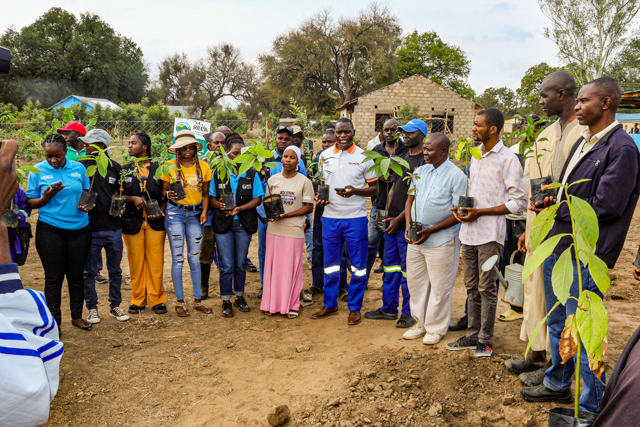
Academia and policy must support this shift. Research should be grounded in operational realities, offering actionable tools for hospitality operators. Policy frameworks must align with practical constraints, providing guidance, incentives, and support to enable climate action rather than impose compliance. Inclusive approaches are essential small, rural, and women-led enterprises are often most vulnerable and must be central to climate strategies.
Fragmented, one-off initiatives will not suffice. Operationalizing climate change requires a systems perspective: embedding climate thinking into governance, planning, and day-to-day operations. Coordination among operators, communities, academics, and policymakers, along with continuous learning, is essential for scalable, sustainable solutions.
European examples show what is possible when operational action, policy, and guest engagement align. African hospitality operators can take these lessons and adapt them to local realities, creating systems that are resilient, equitable, and sustainable. The goal is not imitation it is adaptation, innovation, and practical implementation.
The era of awareness has served its purpose. Now is the time for action. African tourism businesses that embrace operational climate strategies will safeguard their operations, protect their communities, and position the sector as globally competitive and climate-resilient. Climate change is already here. Operationalising it is no longer optional it is the future of tourism.

Post Comment