Hope blooms at Tongogara as REPSSI trains Community Cadres in Mental Health support for displaced children


BY TRUST BVARANGA
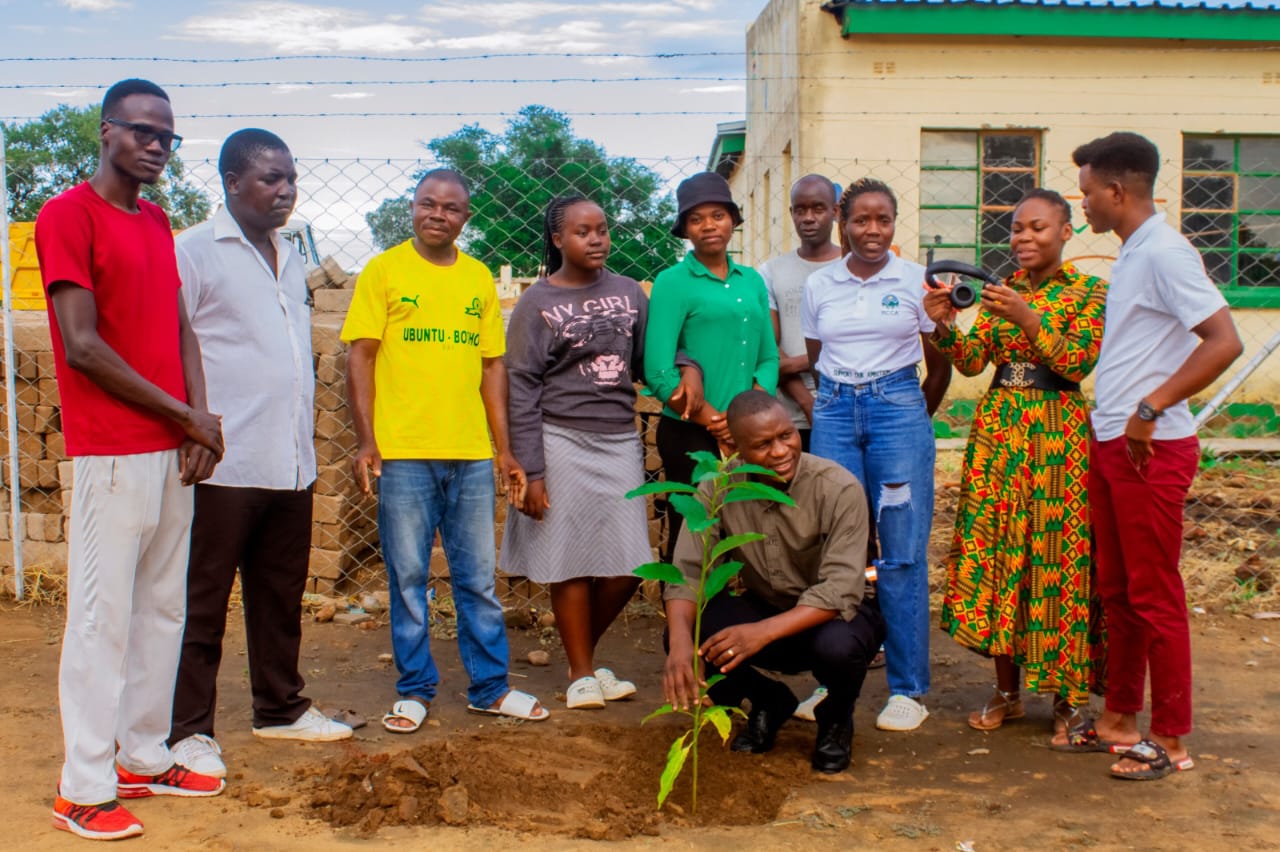
IN a heartwarming display of community spirit, the Regional Psychosocial Support Initiative (REPSSI) recently conducted a three-day training program for community cadres for Tongogara Refugee Settlement. The training, held at a lodge in Chipinge town, was a collaborative effort between REPSSI, the government, and youth-led organisations.
The program aimed at equipping community cadres with the necessary knowledge and skills to provide Mental Health and Psychosocial Support (MHPSS) services to forcibly displaced children and youth. According to a REPSSI official, the training was designed to capacitate community cadres to respond to the MHPSS needs of vulnerable children and youth.
“The program also seeks to increase demand for MHPSS services through improved mapping, coordination, and referral pathways.
“Stress occurs when someone fails to strike a balance between a problem and the capacity to resolve that particular problem. Chronic stress can have severe consequences, but it can be managed through a balanced diet, adequate sleep, and engaging in recreational activities,” he said.
The official highlighted three structured MHPSS interventions for children: Child Friendly Spaces (CFS), Psychological First Aid (PFA), and Trauma-Focused Cognitive Behavioral Therapy (TF-CBT). He also emphasised the importance of recognizing stress and managing it effectively.
By empowering community cadres with the necessary expertise, REPSSI hopes to promote the mental health and well-being of displaced children and youth. This initiative is a testament to the power of community-led initiatives and the importance of addressing the mental health needs of vulnerable populations.
The training program is just the beginning of REPSSI’s efforts to support the mental health and well-being of displaced children and youth in Tongogara. With continued support and collaboration, it is possible to create a brighter future for these vulnerable populations.



Post Comment