Insufficient Climate Finance threatens Africa’s food systems

BY STEVE EPHRAEM
The 29th Convention of the Parties (COP 29) to the United Nations Framework Convention on Climate Change (UNCCC) took place in Baku, Azerbaijan, from November 11-22, 2024. Nearly 200 countries converged to discuss climate change mitigation strategies.
The outcome of COP29 was a new finance goal known as the New Collective Quantified Goal on Climate Finance (NCQG). The agreement aims to provide USD 300 billion annually to developing countries by 2035.
However, developing countries have expressed concerns that this amount is insufficient to address the scale and complexity of climate change impacts. For Africa, the consequences of inadequate climate finance will be particularly severe, with the continent’s food systems likely to bear the brunt.
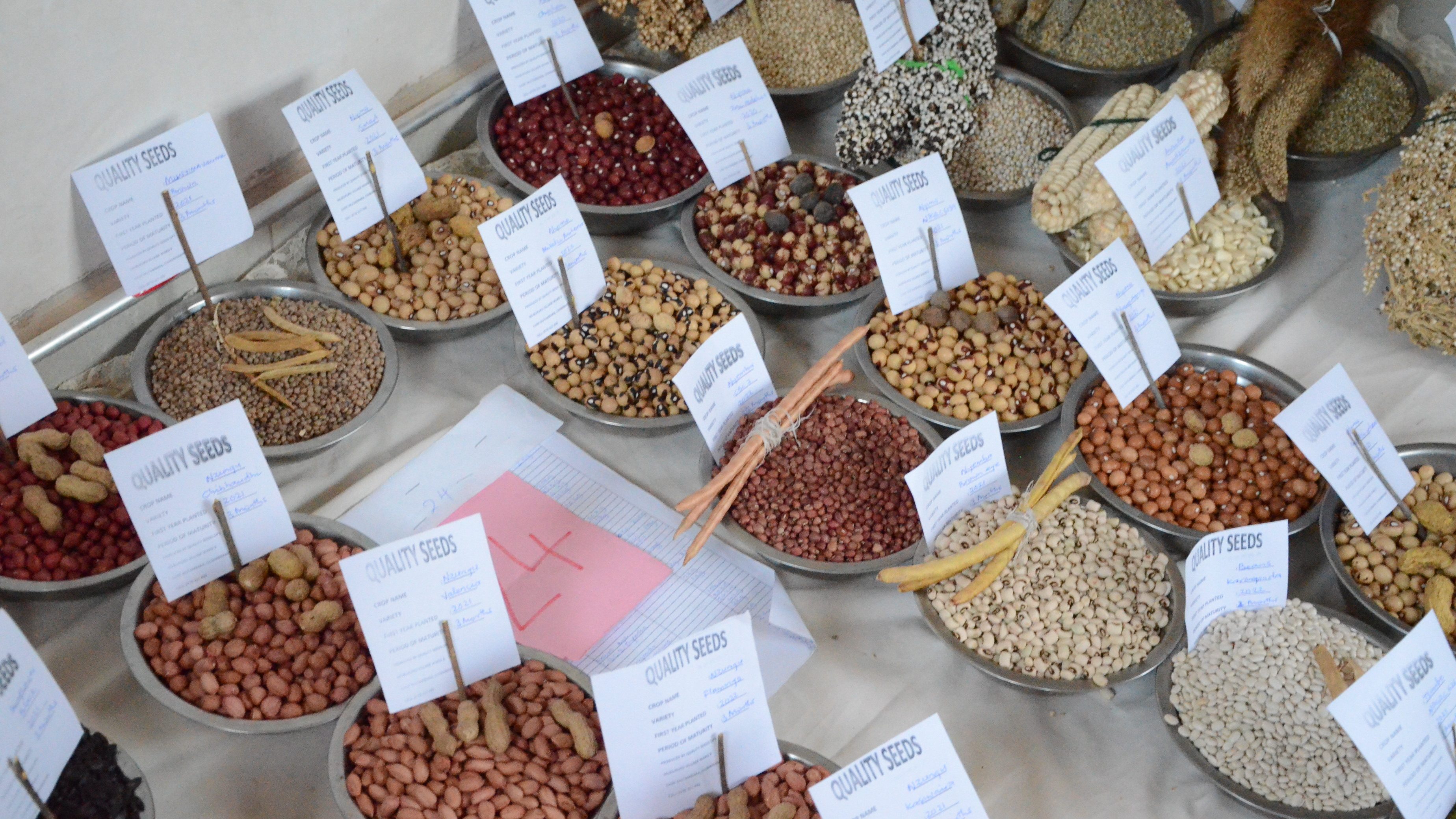
Unpredictable rainfall patterns are already affecting agricultural production in Africa. Southern African countries are experiencing severe food shortages due to El Nino-induced drought. The Alliance for Food Sovereignty in Africa (AFSA) has been advocating for African food sovereignty, with a focus on agroecology and supporting small-scale farmers.
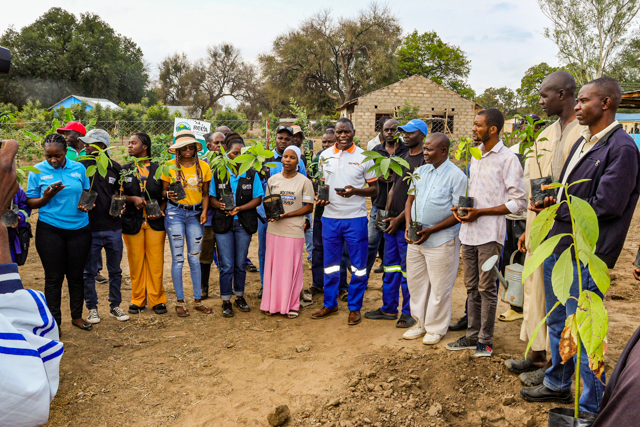
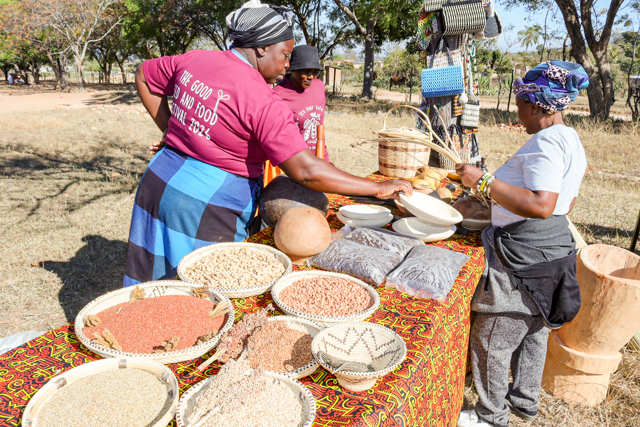
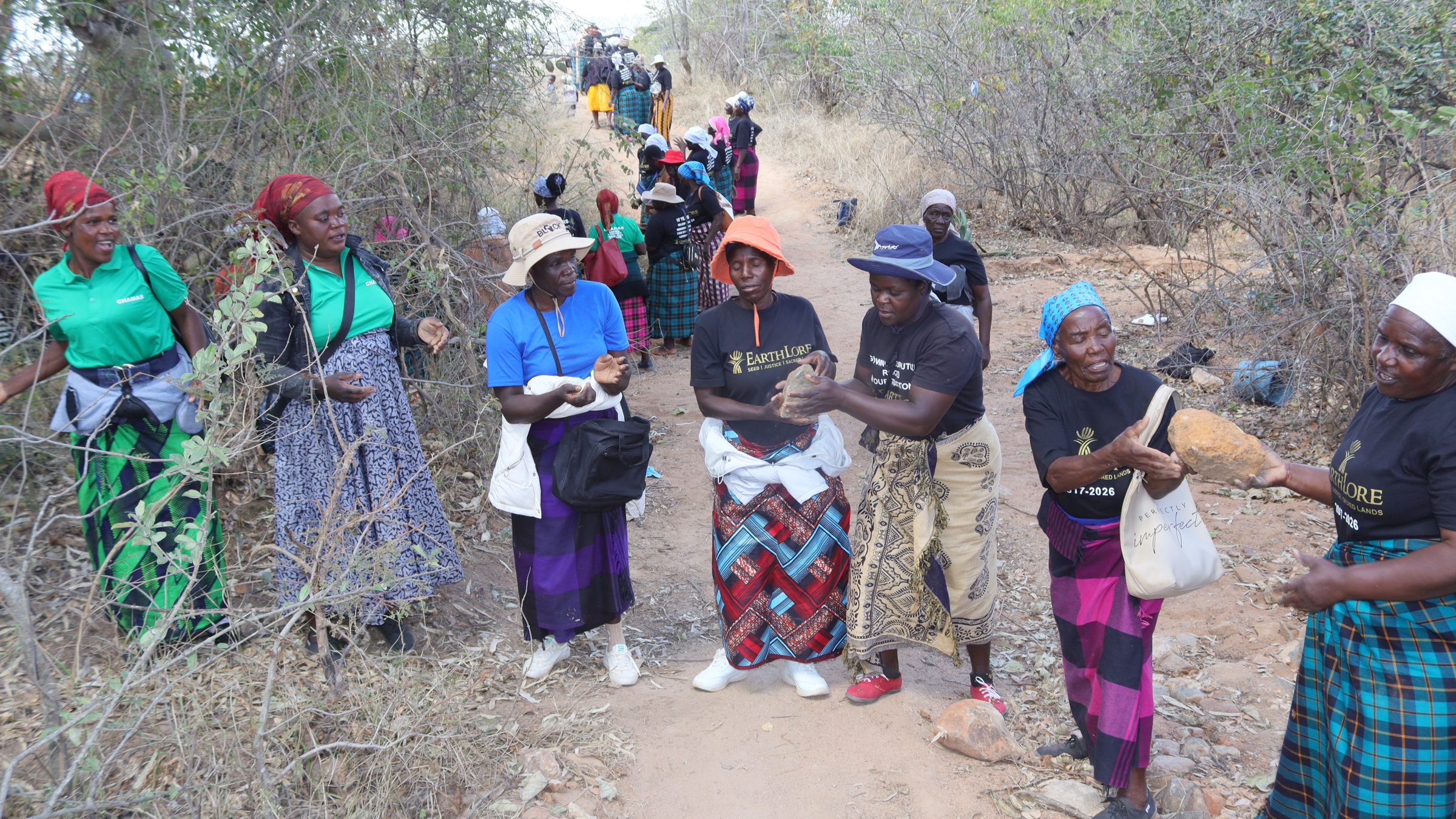
During COP 29, AFSA emphasised the need for funding commitments to support small-scale farmers and indigenous communities in transitioning to agroecology. Without sufficient climate finance, Africa’s agroecological sector, which is predominantly comprised of small-scale farmers, will struggle to adapt to climate change.
The consequences of insufficient climate finance will be far-reaching, threatening food security from the household level upwards. Africa is already grappling with significant debt burdens, and expecting African countries to fund their food systems through additional loans is unsustainable and potentially devastating.
Africa’s adaptation to climate change requires substantial investment, estimated to be in the billions of dollars. The Global North’s expectation that Global South nations will achieve the Sustainable Development Goal of zero hunger by 2030 without sufficient financing for small-scale farmers is unrealistic.
Agroecology, which promotes climate-resilient agricultural practices, is critical for Africa’s food security. Insufficient climate finance will disrupt the delicate balance of Africa’s food systems, exacerbating poverty, migration, and malnutrition.
It is essential to increase climate finance for Africa’s agriculture sector, with a focus on supporting small-scale commercial farmers and promoting climate-resilient agricultural practices. This will require a concerted effort from the international community to prioritise climate finance for Africa’s food systems.

Post Comment