Training in agroecology on the rise in Zimbabwe

BY TAURAI SITHOLE
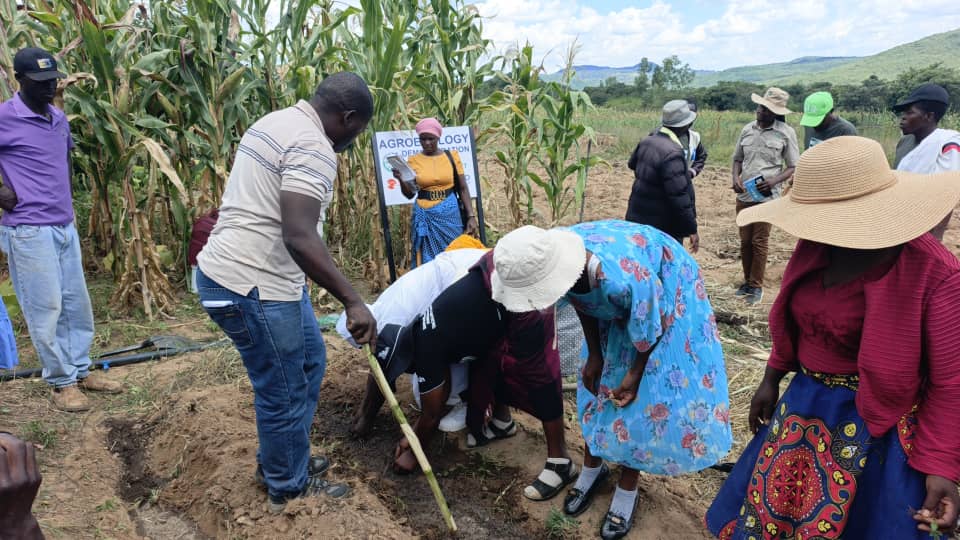
A quiet transformation is taking root in rural Zimbabwe as witnessed in farmers in Mutoko and Njanja, Chinyika area, gathered on February 24 and 26, 2026, for a comprehensive training programme that is reshaping the future of sustainable agriculture in the region.
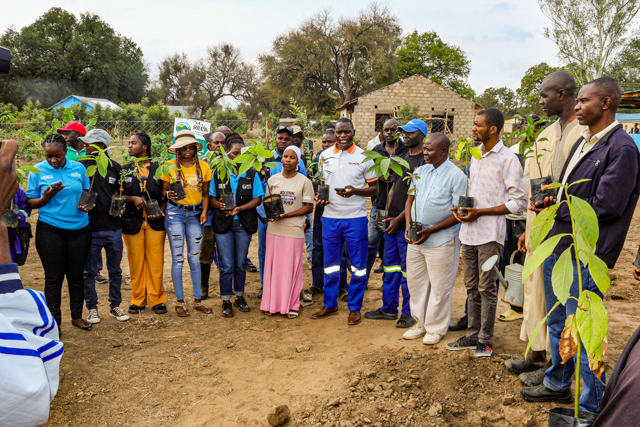
The training, organised by Zimbabwe Land and Agrarian Network (ZILAN), Zimbabwe Smallholder Organic Farmers Forum (ZIMSOFF) and the Zimbabwe Women’s Bureau, equipped local farmers with practical agroecological techniques including water harvesting, soil fertility management, agroforestry, and natural pest control methods. More importantly, the programme established demonstration sites in both locations, giving farmers hands-on experience they can now share with their neighbours.
This initiative reflects a broader shift across Zimbabwe, where agroecology is proving its worth as a practical, low-cost pathway to climate resilience. Research from Chimanimani shows smallholder farmers implementing similar techniques have experienced increased crop yields, improved soil health, and new revenue streams.
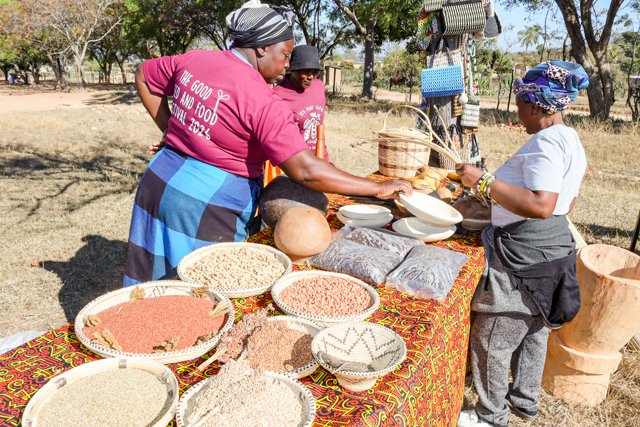
What makes agroecology particularly powerful for resource-poor farmers is its accessibility. Unlike expensive input-dependent farming, techniques like mulching, compost-making, and water harvesting rely on local materials and traditional knowledge. When maize fails during drought, diversified crops such as sorghum and millet often persist.
The Mutoko and Njanja training represents more than just skill-building; it’s part of building community knowledge networks where farmers learn from each other. As one FAO representative noted, such centres of excellence can have “transformative impact” on rural livelihoods .
For these communities, agroecology isn’t just about farming differently. It’s about farming smarter, building resilience, and ensuring that when the rains don’t come, families still have food on their tables.

Post Comment