Key considerations for 2025 agroecological farmers

BY STEVE EPHRAEM
THE devastating El Nino-induced drought of 2024 left an indelible mark on Zimbabwe’s food systems, exacerbating existing vulnerabilities in communities.
However, this challenging period also underscored the imperative of sustainable and resilient agricultural practices. As we embark on 2025, agroecological farmers must bear in mind crucial lessons from the previous year.
The 2024 drought resulted in significantly reduced crop yields, with many farmers in communal areas, particularly those in low rainfall regions, losing their entire harvest. The Chimanimani Lowveld, renowned for its agroecological farming practices, was not spared, with hectares of small grains as well as many heads of livestock succumbing to the drought.
Furthermore, the destruction of traditional small grains at Mbare Musika market due to a fire has resulted in a scarcity of indigenous seeds for 2025.
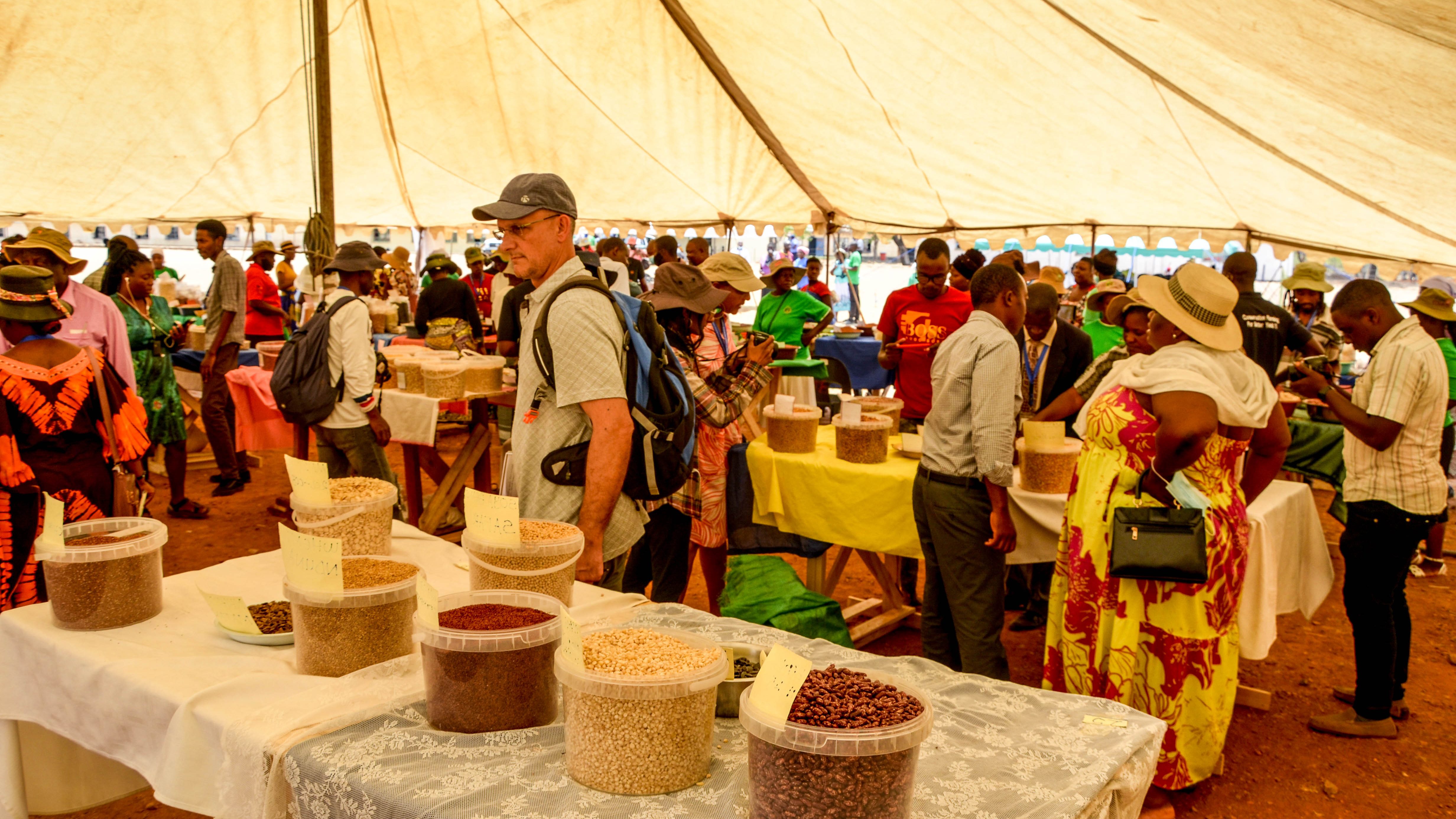
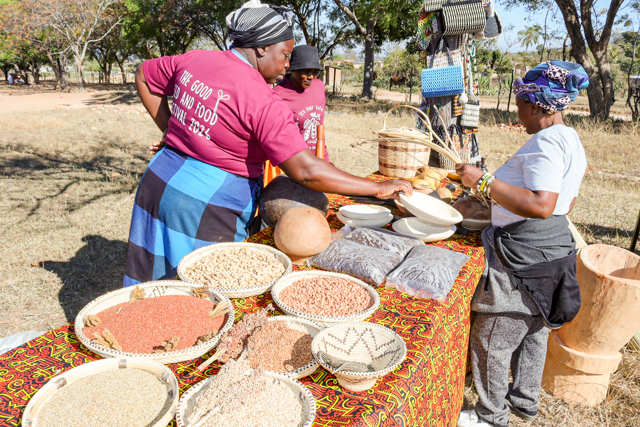
To recover from these losses, farmers with indigenous grain must revert to the time-honored practice of seed sharing. In African tradition, seed sharing is a fundamental principle, emphasising the importance of community-based seed systems in achieving food sovereignty.
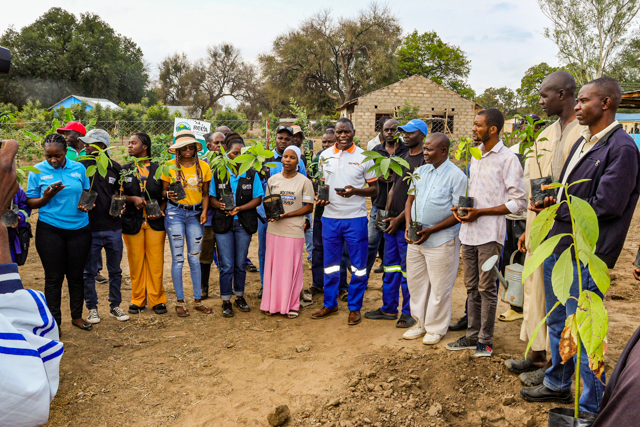
The Alliance for Food Sovereignty in Africa (AFSA) has been championing agroecology as a vital strategy for enhancing African food systems. By adopting agroecological practices such as conservation agriculture, use of biofertilizers, water harvesting, and crop rotation, farmers can better navigate drought periods.
As we navigate the uncertainties of 2025, agroecological farmers must remain committed to these principles. Whether the year brings normal or below-average rainfall, agroecology offers a resilient and sustainable approach to farming. By embracing these practices, farmers can ensure a more food-secure future for their communities.

Post Comment