Strengthening disaster response in Chipinge: Schools and stakeholders at the heart of climate action


By Artwel Chingwara Sithole
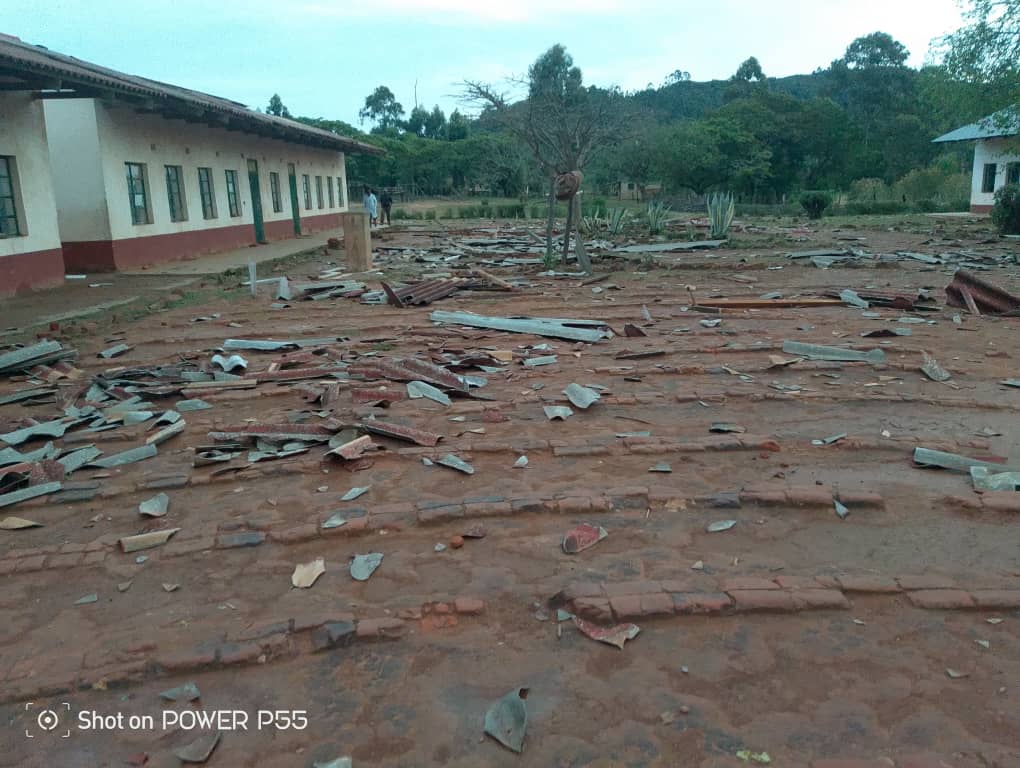
In the wake of the Bandama Dam tragedy that claimed seven lives on March 9, calls for stronger stakeholder coordination in disaster management have intensified in Chipinge. At the center of these efforts is the Chipinge Civil Protection Unit (CPU), which is stepping up its role by promoting sustainable, school-based approaches to disaster preparedness.
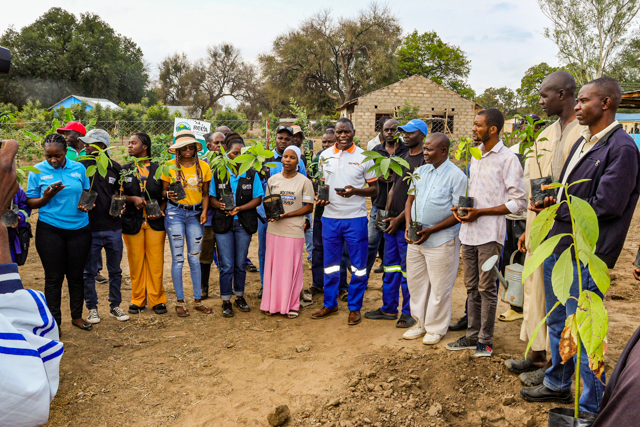
Speaking at a multi-stakeholder meeting organized by the Platform for Youth and Community Development (PYCD) and Green Institute, in partnership with the Chipinge District Development Committee, representatives from various institutions emphasized the need for a united front in disaster management. Central to the discussion was the establishment of climate action groups in schools—a model seen as both sustainable and inclusive.
Lydia Masengu, representing the Meteorological Services Department, urged schools to become active participants in disaster risk reduction. “Let’s create climate action groups in schools to promote disaster awareness,” she said, underscoring the role of education in building long-term resilience.
Green Institute team leader Blessing Matasva added that the process of forming these groups has already begun in Ward 17. “Within a week, we expect to have established 10 climate action clubs with support from the Environmental Management Authority,” he said, noting that early engagement of youth is critical for building a culture of preparedness.
The Civil Protection Unit, through its local structures, is encouraging schools to serve as community hubs for early warning systems, emergency drills, and environmental education. By embedding disaster response strategies into the school system, the CPU aims to create a generation that is both informed and proactive.
Gender sensitivity was also a key theme at the meeting. Bongai Marinyame from the Ministry of Women Affairs emphasized the need for inclusive planning. “Women have unique needs and are often the most affected during disasters. It’s imperative that they are central in our disaster preparedness planning,” she said.
Chipinge District Development Coordinator representative Salani Chamunorwa praised the initiative and called for a collective approach. “We currently lack sufficient capacity to respond effectively to disasters. Only through coordinated stakeholder involvement can we strengthen our preparedness,” he said.
Chipinge remains one of Zimbabwe’s high-risk districts for climate-induced disasters. With schools now being positioned as vital centers for climate action and community education, and the CPU working across sectors to unify disaster response strategies, there is hope for a more resilient future.

Post Comment