Traditional guardians vital in the success of sacred sites revival


BY STEVE EPHRAEM
In a bid to secure the future of their ancestral lands, communities in Zimbabwe are being called to reconnect with their past by formally engaging the traditional guardians of sacred sites.
The appeal was made during a celebration of Eco Cultural Mapping held at Headman Mutsinzwa’s court in Bikita on November 8, 2025. The event, coordinated by the Earthlore Foundation, highlighted the critical role indigenous knowledge plays in protecting the environment.
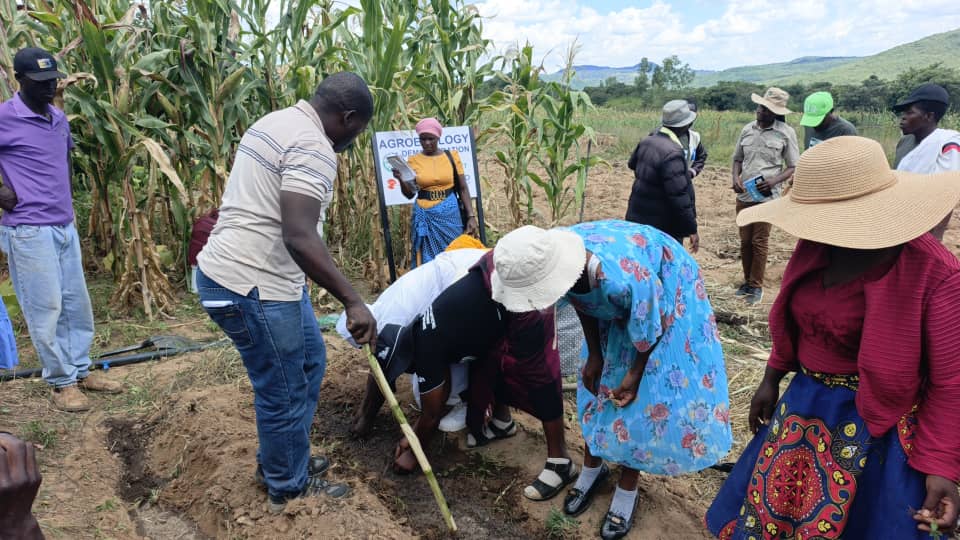
The gathering provided a platform for community members to contribute to a mapping exercise, a process designed to help them visually assert their ancestral land rights, protect natural resources from exploitation, and safeguard indigenous knowledge from being lost to climate change and modern pressures.

One elder recalled a time when natural sites were protected by deep-seated cultural reverence.
“During my school days, we had so many sacred places. I remember at the school water source, you would meet snakes if you tampered with it. We must trace and engage the people who oversaw such places to bring back the sacredness of these sites,” he said.
The community also resolved to officially engage Headman Mutsinzwa in all Eco Cultural Mapping activities to be held in his territory.
Gertrude Pswarai, Curator for the Earthlore Foundation, urged the community to see the landscape through “ancestral eyes” to understand the project’s full purpose. She explained that success depends on viewing the land as their forefathers did.

“We cannot succeed if you do not wear ancestral eyes. You cannot rectify what is wrong before you know where you went astray. The Gukurahundi rains once swept away the chaff from our millet, but how can that rain be meaningful today when you no longer grow the crop in favour of maize?” she asked.
Echoing the call for unity, Headman Mutsinzwa encouraged his people to work together for the common good.
“All the submissions made here are beneficial to us as a community. If you see an area where we are lagging, consult each other and iron out what has gone wrong for the sake of protecting our environment,” he stated.
The event saw participation from several local organisations, including the Zimbabwe Smallholder Organic Farmers’ Forum (ZIMSOFF), Zivakwawakabva, the Towards Sustainable Utilisation of Resources Organisation (TSURO) Trust, and the Participatory Organic Research, Extension and Training Organisation (PORETO), underscoring the broad community support for the initiative.

Post Comment