Unlocking rural tourism opportunities in Zimbabwe


BY DR GODFREY MAKANDWA
GLOBALLY, most rural minority communities are found in the peripheral regions that have remained marginalized. Despite witnessing little development, the minority communities hold a wealth of natural and cultural resources that can be leveraged to drive sustainable tourism development.
The Ndau of Chipinge, the Tsonga of Chiredzi, the Buja of Mutoko, the Tonga of Binga, and the Nambiya of Hwange come to mind.
It is no coincidence that Zimbabwe’s major tourism attractions are found in these rural communities. The Gonarezhou National Park, Hwange National Park, the mighty Zambezi River, Great Zimbabwe Monuments, and the sacred Inyangani Mountain are good examples of tourism attractions of global repute that are found in rural communities in Zimbabwe.
The above-mentioned tourism resources are fragile, and their sustenance can largely be attributed to the important role played by the host communities.
It is imperative to note that institutional dynamics and policy frameworks have alienated the local communities from direct participation in the safeguarding of these tourism resources through zoning.
The local community participation has largely remained a consultative role through attending workshops and being given tokens of appreciation. However, this does not position the rural communities as a less important part of our society and tourism economy. Rather, this calls for a more balanced development approach to stimulate host community participation in tourism activities.
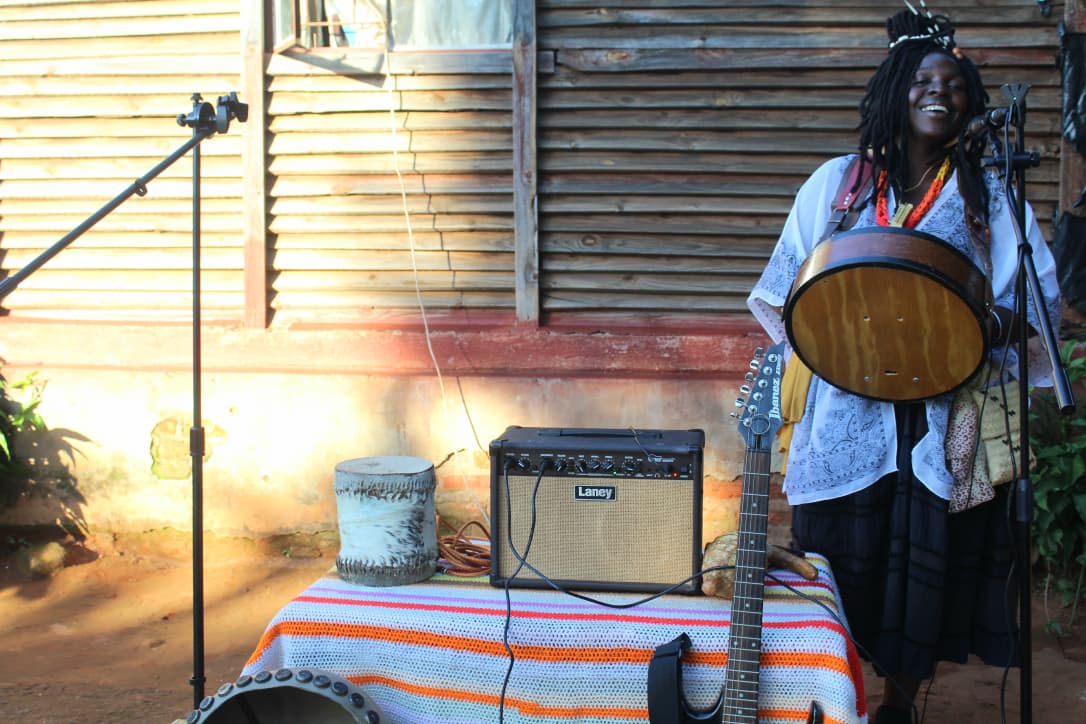
Interestingly, some rural communities, for example, the Ndau Festival of the Arts (NdaFA) in Chipinge and the Centre for Cultural Development Initiatives (CCDI) in Chiredzi, are examples of community-led initiatives that have self-mobilized themselves to promote environmental sustainability and social inclusivity. The abovementioned institutions have promoted the sustenance of tourism resources through cultural festivals.
In the year 2024, NdaFA hosted the Inaugural Rural Tourism Colloquium, an event that brought together sixteen higher and tertiary institutions in Zimbabwe to Bangira Village, Chipinge.
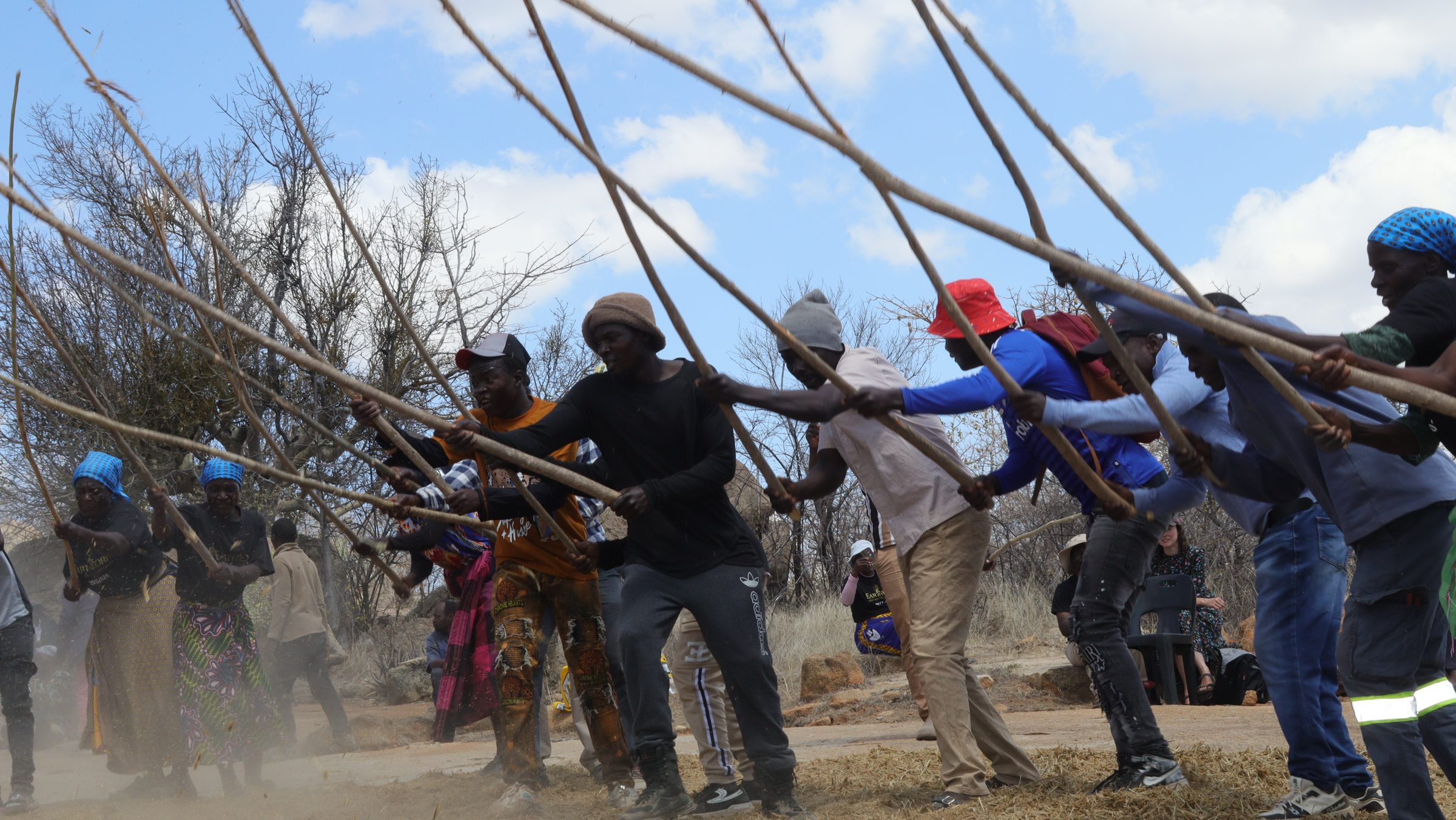
The colloquium enabled the rural communities to provide visitors with food, accommodation, and tour guiding services. This helped the locals to derive direct revenue as entrepreneurs while the colloquium attendees experienced the daily way of life for the Ndau people.
The focus on rural communities stimulates research and adoption of traditional knowledge systems inherent in these local communities. Besides, this fits in the country’s vision of leaving no one and no place behind and a more touristic approach of promoting local destinations.
Looking ahead to 2025, several events are lined up to promote rural communities’ natural and cultural resources. These include the following:
1. Community-Based Tourism Conference in Kondo Community, Chipinge (6-9 March 2025):
This conference will bring together stakeholders in the tourism industry to discuss ways to enhance community-based tourism initiatives, fostering sustainable practices and empowering local communities. The host community borders Chipinge Safari Area and Save Valley Conservancy; hence its role in wildlife conservation cannot be underestimated.
2. Inaugural Traditional Grains & Gastronomy Tourism Research Conference, Mukoto Community, Buhera (8-10 May 2025)
This conference primarily supports Amai Auxillia Mnangwgwa’s Tradition Cookout Competitions through stimulating innovations and research in gastronomy tourism. A celebration of Zimbabwean gastronomy, this event combines academic discussions on food tourism with a vibrant themed night showcasing local culinary delights.
3. The second Rural Tourism Colloquium; Bangira Village, Chipinge (18-21 September 2025)
This event focuses on celebrating rural communities’ cultural resources that include traditional performances, language, historical sites, and everyday ways of life. It creates opportunities for local artists to showcase their talents.
These events not only attract tourists and researchers but also provide a platform for rural communities to share their stories, traditions, and products with a wider audience. By engaging in these activities, organizations are paving the way for inclusive growth and sustainable development in Zimbabwe’s rural areas.
Notable organizations that have supported, particularly the recently held Rural Tourism Colloquium, include Green Governance, Old Mutual, Manicaland State University of Applied Sciences, Heritage Haven, Pungwe Breweries, and Mega Market.
The participation and support drawn from more institutions will surely support rural communities to participate in tourism activities as a means to alleviate the negative impacts of climate change–induced weather hazards.
As the country strives to leave no one and no place behind, it is essential to recognize the critical role that rural communities play in promoting sustainable tourism development.
– Dr Godfrey Makandwa is a lecturer at Manicaland State University of Applied Sciences. He is writing in his own capacity. For cfeedback, contactnd feedback, him at +263 719 844 855 or email godfrey.makandwa@staff.msuas.ac.zw.

Post Comment