Chipinge RAC technicians pledge to protect the Ozone layer
BY STEVE EPHRAEM
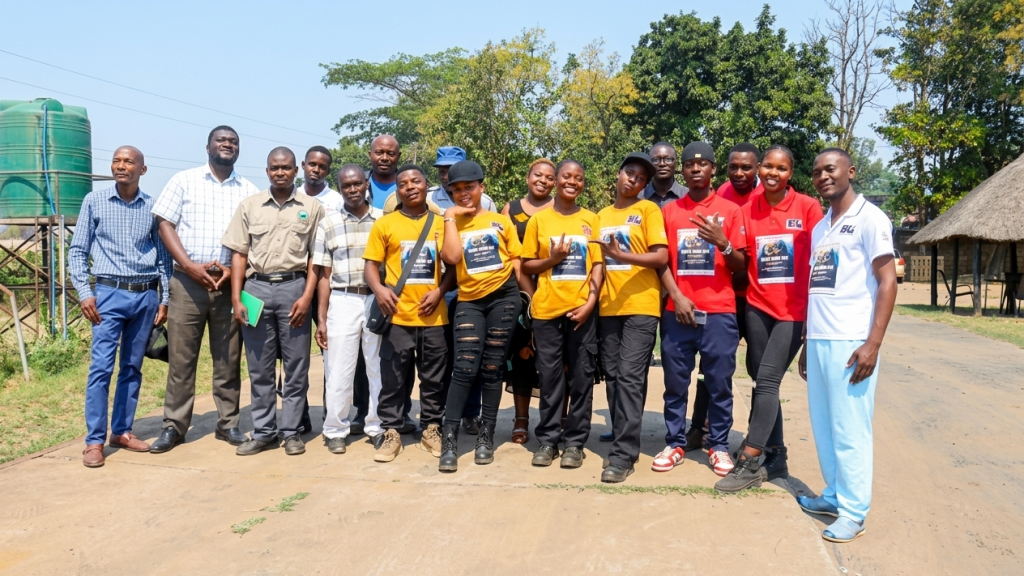
Chipinge Refrigeration and Air Conditioning (RAC) practitioners have embarked on a mission to protect the ozone layer by using gases that are safe for the environment. The declaration was made on 16 September 2026 during a belated World Ozone Day celebrations held in Chipinge. The event ran under the global theme, “Global Action for a Cooler Planet”, which also marks ten years of the Kigali Amendment to the Montreal Protocol.
In his opening remarks, Ngonidzaishe Matope, who officially opened the event, stressed that technicians sit at the very centre of ozone protection.
“We are at the centre of this day because our job as refrigeration technicians directly affects the ozone layer. Old gases such as CFCs (Chlorofluorocarbons) and CFCs (Hydrochlorofluorocarbons) from fridges destroyed the ozone shield that protects us from sun rays and crop failure.
“The world banned those gases through the Montreal Protocol. Now through Kigali, we are moving to safer gases that also protect against climate change and can prevent 0.5 degrees Celcius of warming,” he said.
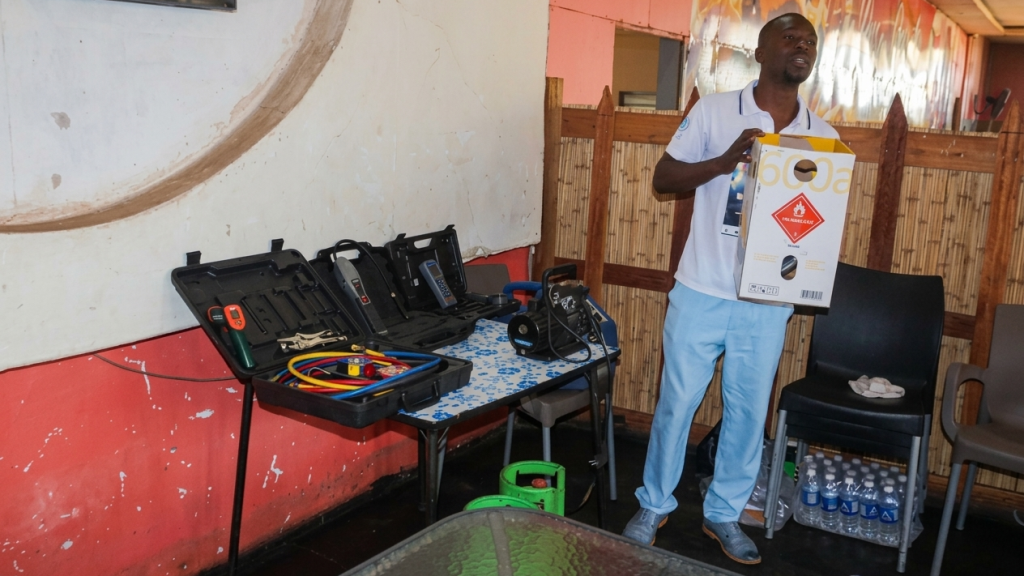
Speaking at the gathering, the Chipinge RAC Chairman, Valentine Semwayo, said that technicians are the frontline defenders of the ozone layer.
“By phasing out ozone-depleting substances and adopting energy-efficient, low-GWP (Global Warming Potential) refrigerants, we are implementing the Kigali Amendment at grassroots level. This is our contribution to Zimbabwe’s climate commitments of Nationally Determined Contribution (NDC) and climate resilience targets.
“As refrigeration technicians, our members install and maintain cold rooms for horticulture, packhouses, and agro-processing. This reduces post-harvest losses and helps us achieve Nationa Development Strategy (NDS) 2 goals on food security and export growth.
“Through apprenticeships and skills transfer, we are building the technical workforce that NDS2 calls for,” Semwayo said.
During the discussions, members adopted several good practices to guide their work such as using ozone-friendly and low global warming potential refrigerants at all times. They also resolved to practise zero venting, which means recovering, recycling and reclaiming gases instead of releasing them into the air.
Members further committed to promoting energy efficiency in all their installations and to teaching their customers about responsible servicing of refrigeration equipment. In addition, they agreed to obtain hydrocarbon certification for gases such as R290 and R600a and to use only approved tools when handling these gases. They also promised to comply fully with the rules set by the Environmental Management Agency and the National Ozone Office.
The Chairman went on to thank the National Ozone Unit, the Ozone Office, the Ministry of Environment, Climate and Wildlife, UNEP and United Nations Development Programme (UNDP) for the tools that the organisation donated to the technicians over the years.



Post Comment