Chimanimani Seed and Food Festival calls on farmers to reclaim indigenous seed
BY STEVE EPHRAEM
Along the Masvingo-Mutare Highway, roughly forty kilometres from Mutare, lies Mpudzi Shopping Centre. Half a kilometre further on stands the Murare River bridge, and two kilometres beyond that, travellers will find the Himalaya turn-off.
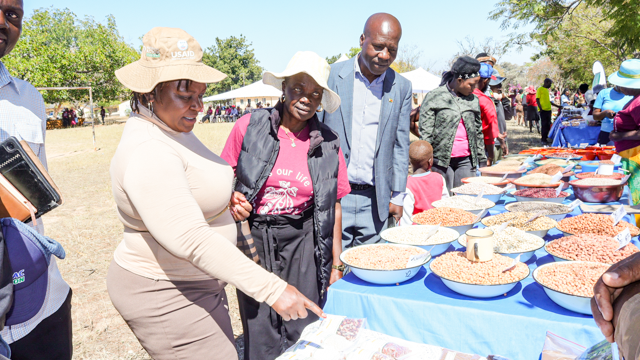
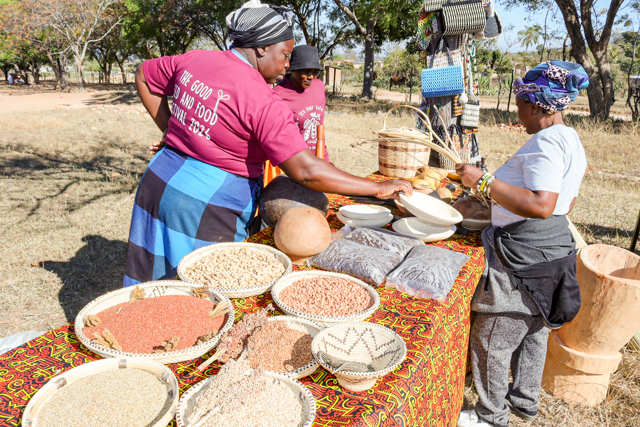
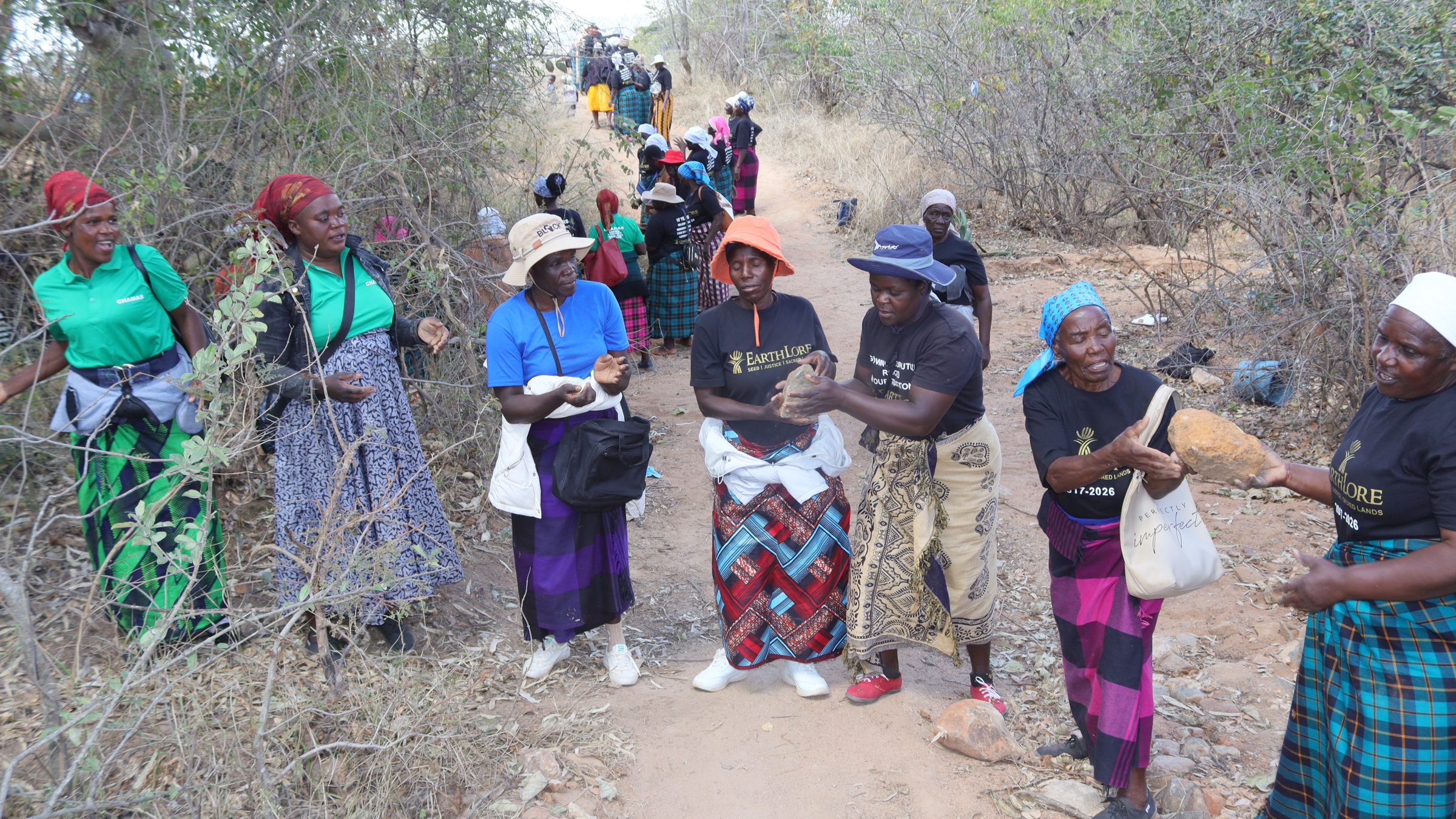
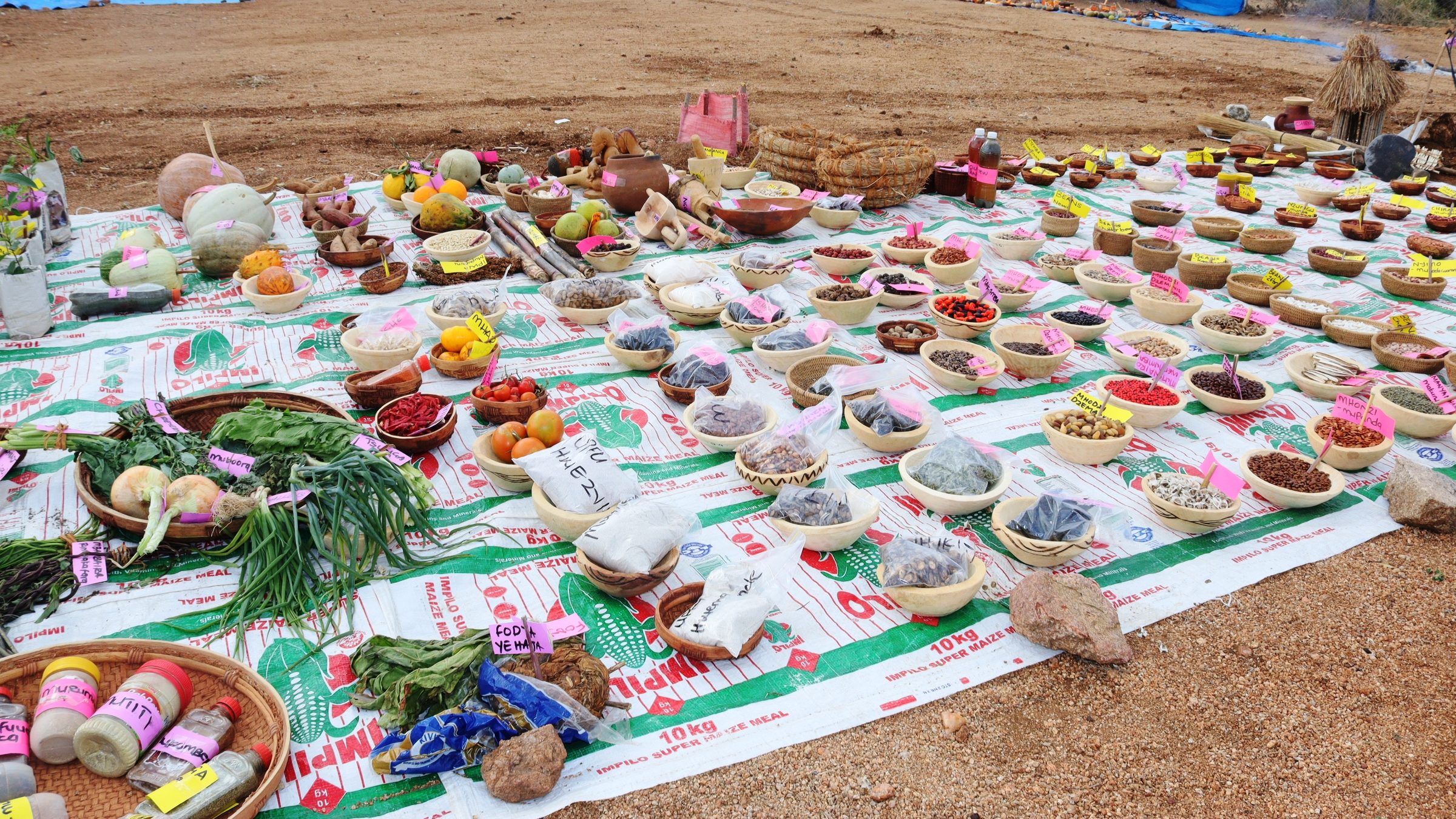
On August 20, 2026, this otherwise unremarkable junction became a bustling centre of attraction for visitors arriving from both Mutare and Chimanimani. Approximately six kilometres from the turn-off, towards Himalaya, is Gutaurare Primary School, which played host to the Chimanimani District Good Seed and Food Festival.
With support from Participatory Ecological Land Use Management (PELUM) Zimbabwe, the event was organised by the Zivakwawakabva Trust and was held under the theme, “It’s our life – Safeguarding indigenous seed and food diversity.”
The celebrations had actually begun a day earlier, when local teams competed for supremacy in the Mbeu Yedu Soccer Tournament.
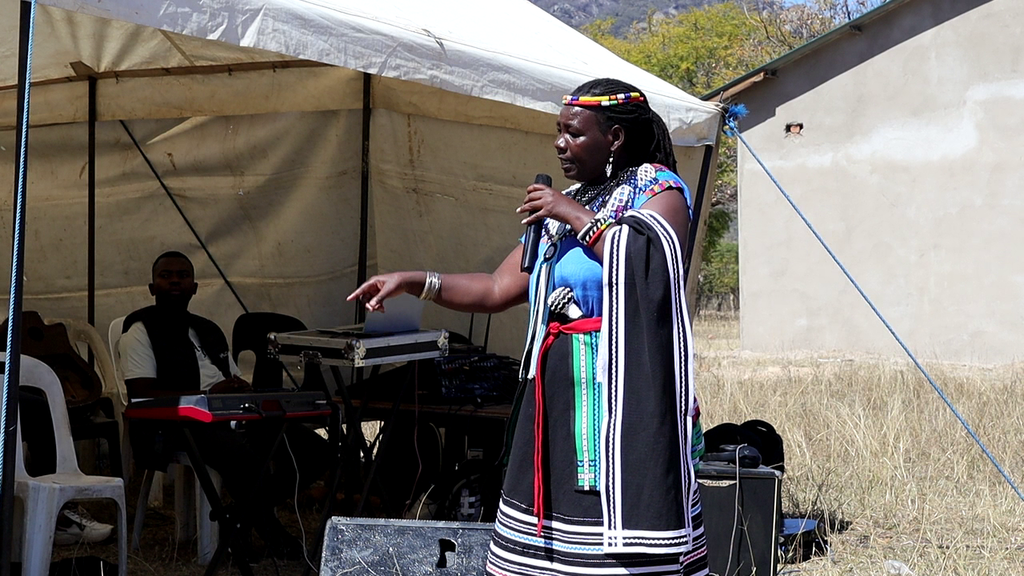
In her opening remarks, the director of Zivakwawakabva issued a powerful challenge to the farming communities gathered before her. She urged them to focus on healing the soil rather than concentrating solely on treating illnesses that affect humans.
“We must learn to go back to the basic and grow seeds that build humans. We must heal our soil before we talk of healing diseases such as cancer. Industrial seeds and chemical fertilizers are the source of cancers. For us, we must heal the soil using biofertilizers as well as Holistic Livestock and Land Management concepts. That way we stay healed,” she said.
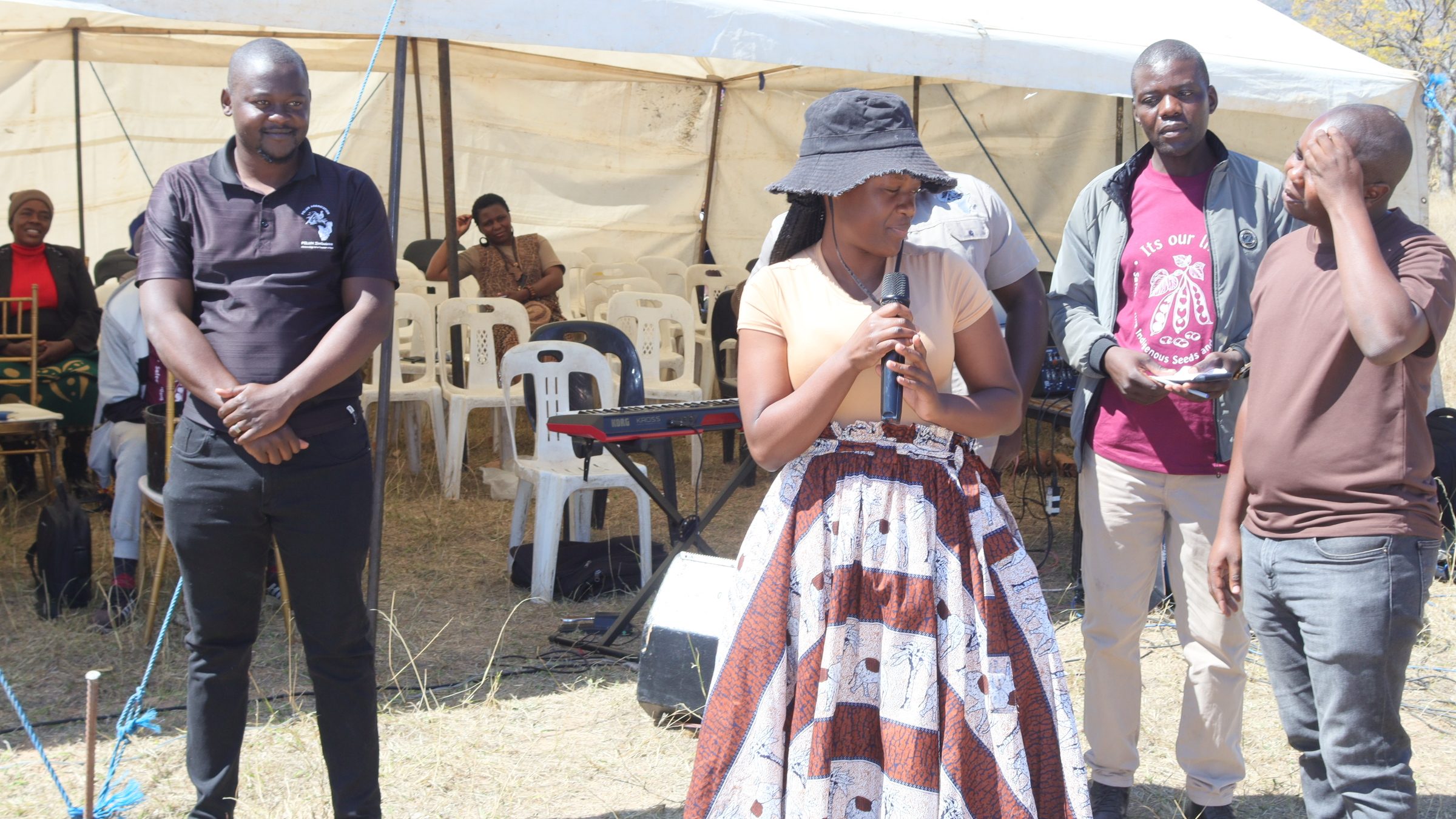
Her sentiments were echoed by Farirai Jemwa, Programmes Officer for PELUM Zimbabwe, who urged farmers to promote indigenous seed sovereignty. She made it clear that food security begins with the seeds that farmers store and grow at home.
“Food security begins with what seed the farmers stores and grows at home. We support a programme called Zimbabwe Seed Sovereignty and we urge you to take this initiative back to your home and grow our indigenous seed,” she said.
The Guest of Honour, Bertha Mashayamombe, who serves as the District Agricultural Extension Officer for Mutare, added her voice to the call for seed sovereignty. She expressed her delight that the gathering was rooted in Indigenous Knowledge Systems, pointing out that forefathers were not foolish when they advised communities to grow traditional crops.
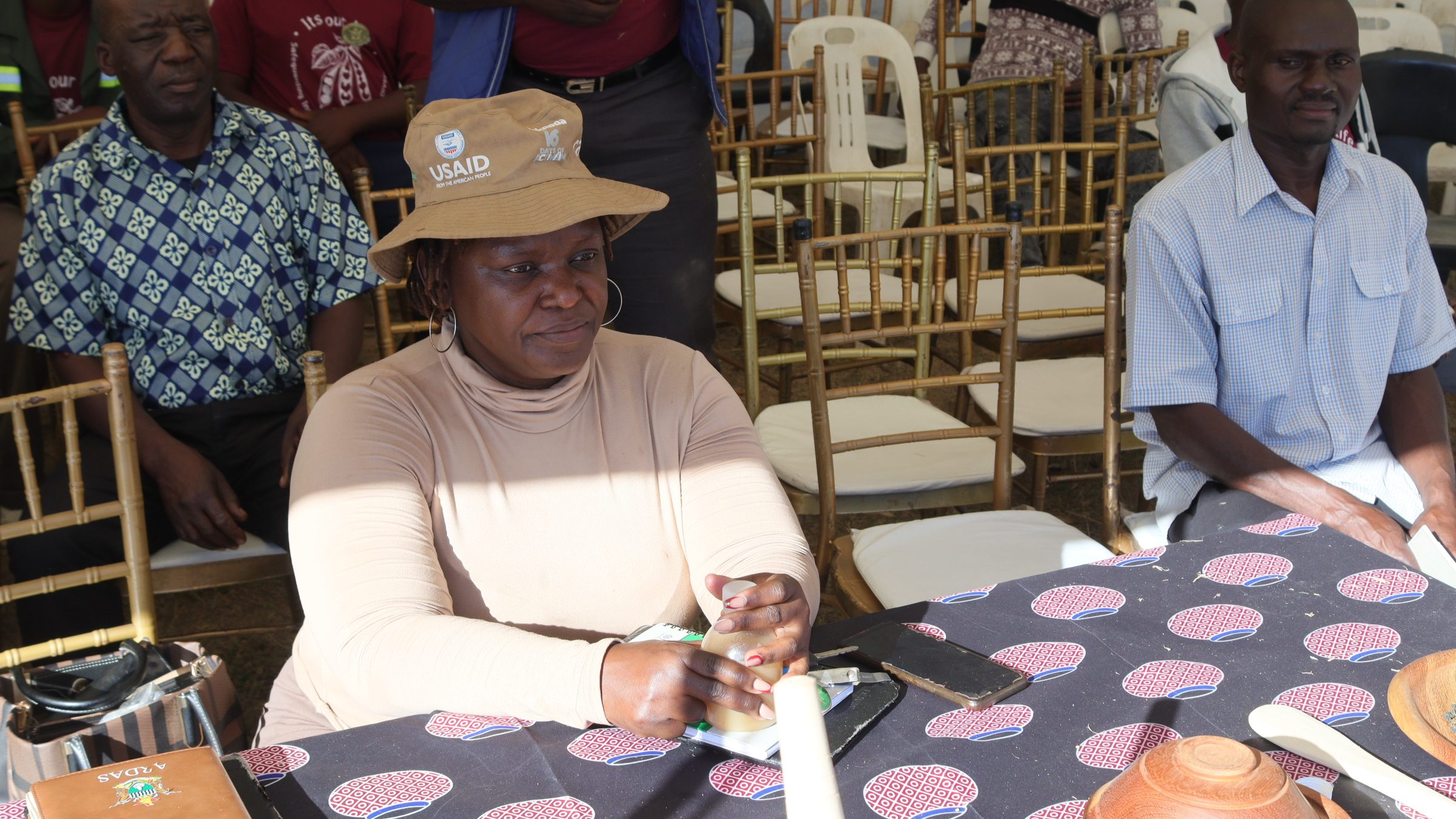
“I am happy that this gathering is based on Indigenous Knowledge Systems. Our forefathers were not sane when they told us to grow traditional seeds such as sorghum, rapoko, cow peas and many more. These crops do well in our areas and are sustainable. We need to to own our own seed so that we attain seed sovereignty,” she said.
The festival was made possible through the collective efforts of partner organisations within the PELUM Eastern Cluster, including Valley of Hope (VOH), Zimbabwe Smallholder Organic Farmers Forum (ZIMSOFF), Chikukwa Ecological Land Use Organisation (CELUO), Participatory Organic Research Extension and Training Organisation (PORETO) and Towards Sustainable Use of Resources Organisation (TSURO), all of whom gathered alongside Zivakwawakabva to ensure the event’s success.
A representative of the local Chief was also in attendance, along with various government departments, underscoring the widespread support for the initiative.
As the event wrapped up, a clear message was given that food security and sovereignty lies with the smallholder farmers growing seeds that have sustained communities for generations.



2 comments