From Ice Cream to Climate Action: The Urgent Need for Climate Finance


BY STEVE EPHRAEM
ActionAid, a global movement of people working together to further human rights for all and defeat poverty is urging rich polluting Global North countries to provide adequate climate financing for adaptation, mitigation, and loss and damage at COP29 than spending money on ice-cream.
This came out during a press briefing on the opening day of COP29.
Teresa Anderson, ActionAid’s Global Climate Justice Lead, said, ““COP29 is about the new climate finance goal to unlock climate action in the Global South. Without finance, talk about climate action will remain just that – talk.
“They say there is no such thing as a free lunch – well there’s no such thing as a free climate target either. If we’re serious about climate action, we have to pay for climate action.
Sticking the Global South with an escalating climate bill is not only unfair, it’s a recipe for certain planetary breakdown. This is why climate-hit countries desperately need COP29 to agree a new climate finance goal that delivers real worth trillions of dollars in grants each year.
“And it needs to be the wealthy countries of the Global North, who have been polluting for a century or more, that finally pay up the real money for climate action. So far wealthy countries have been evading their responsibilities.
“In 2022, between them, developed countries only provided $28-35 billion in grants for climate action in the Global South. For context, the world spent twice as much on ice cream that year ($71 billion).
“We can’t avert planetary meltdown by spending less on climate finance than we spend on ice cream.”
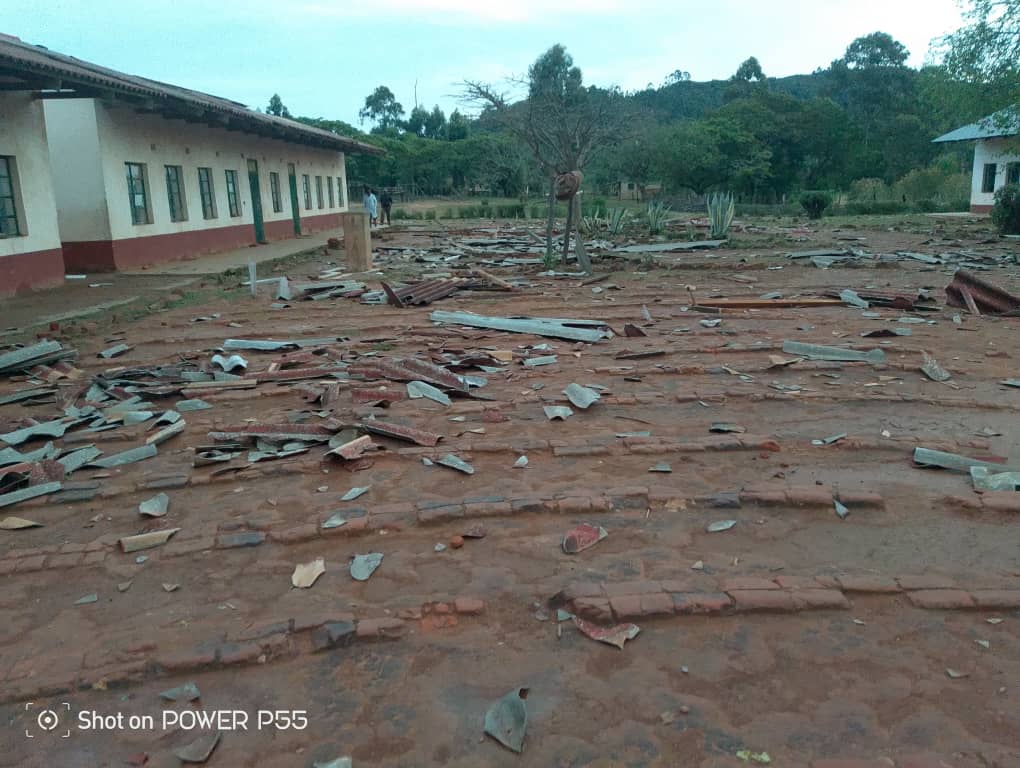
Mosammat Dulali from Bangladesh said, “Just this year alone, we’ve experienced four cyclones. Tidal surges from cyclones and floods have increased the salinity of agricultural land reducing the ability of the land to produce enough food for the community. We need the world to act now to address these climate disasters. If it continues like this, we may not have a community left to talk about.”
Nura Ahmed Mohamed from Somaliland highlighted the gendered impacts of climate change, “In Somaliland, climate change is more than an environmental crisis – it’s a humanitarian disaster with severe gendered impacts.
“Increasingly frequent droughts and flash floods threaten the lives and livelihoods of countless families, but the toll is particularly harsh on women and girls. Despite these challenges, women are often the first responders in their communities, taking on roles in caregiving, food production, and managing natural resources.
“These extreme weather events disrupt agriculture, leading to food shortages, loss of income, and forced displacement. Families in crisis often resort to harmful coping mechanisms, such as child marriage to survive; This has caused child marriage rates and cases to surge, while girls are pulled out of school at alarming rates.”
Michelle Higelin from ActionAid Australia stressed, “Wealthy countries must step up climate finance at this COP, rich polluting countries have a responsibility to provide climate finance, but they are failing on this obligation. We want them to commit to grant-based finance and not loans.”

Post Comment