Of winter, poverty, perseverance

BY ARTWELL CHINGWARA SITHOLE
12 May 2026 – On that day, all roads led to schools.
The second term began, and with it came the familiar pressure of opening day. Gates swung open and parents arrived with envelopes, payment slips, and stories. Some paid in full. Others came for instalments. Many, despite the ministry’s circular urging fees to be settled during the holidays, arrived on the first morning to negotiate payment plans. That was the hustle of opening day – part accounting, part pleading, all of it done under the weight of a new term.
That term is winter. And winter proves to be a different kind of teacher.
It was hectic just getting kids out of bed before sunrise. The cold bit through blankets and made every minute under them feel like a small rebellion. The reporter remembered it well.
In the 1990s at Rimbi Primary, second term had its own reputation. It was not just the cold. It was the cleanliness inspection. The teacher would run a finger along a pupil’s collar and neck, and if a child came up with chikoko – that dark ring of dirt – they were finished. Shame did not wash off as easily as the grime. Some children were so mortified that they would rather miss school than face the class with a stained neck.
Winter did not forgive the weak‑willed. Children without determined parents at home stayed away. The cold gave them an excuse. And for those who wet the bed at night, winter was brutal. While the rest of the pupils did a quick half‑body wash and finished the rest after school when the sun was out, those children had to strip and face full‑body cold water before class. One learned quickly why mothers nagged about going to the toilet before bed.
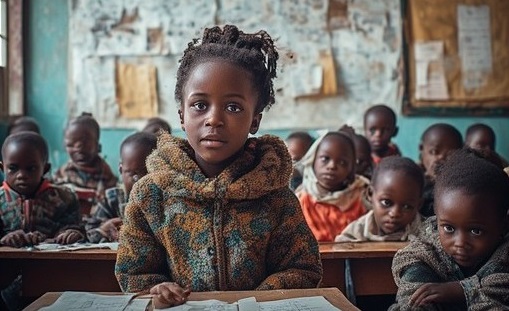
Poverty and weather compounded each other there. The ministry said children must come to school in warm clothes, and the compromise was visible everywhere. Schools gave leeway – any jersey, any sweater, as long as it kept the shivers off. In winter, uniform gave way to survival.
At Rimbi High in the early 2000s, the cold had a geography. During assembly, the breeze would roll down from Mwangazi through the Murembwe valley and hit the pupils standing to attention. Singing the national anthem while one’s teeth chattered felt like standing too close to a fire that could not be felt.
But winter also taught resourcefulness. Between lessons, when the sun broke through, the children would scatter to the warmest wall and kugota mushana – soak up the sun like lizards. The vernacular name said it all. It was popular, and it was risky.
If Mr Ndangana or Mr Dhliwayo caught anyone, that pupil would regret ever thinking ten minutes of heat was worth it. Those two had eyes everywhere, and a free period spent in the sun could turn into a very paid‑for detention.
The reporter still remembered the hand clap Mr Muchezana gave him. May his soul rest. It was one of a kind – sharp, sudden, unforgettable. That was the kind of discipline that made a pupil stand straighter for the rest of the day.
Opening day was always a scramble. Fees, jerseys, early mornings, inspections. But for those who grew up in Rimbi, second term was never just about lessons. It was about enduring the cold, outsmarting chikoko, and finding ten minutes of sun before the next bell.
Winter made them tough. And the next day, it would start again.



Post Comment