Starting small: The key to successful agroecological practices


BY STEVE EPHRAEM
AGROECOLOGY is making a notable impression in some communities in Zimbabwe and is the key to African food sovereignty. However, many people are still doubting that is a potential aspect to transform lives.
For years, Africans have been discouraged from practicing regenerative agriculture in favour of industrial agriculture. Even after that setback, Africans can still come back to the basics.
Starting small
Farmers who wish to embark on agroecological practices should consider starting it small. The advantages of starting small include not straining oneself financially and being able to manage little resources effectively. Giving oneself huge targets can derail the agroecological revolution.
Seed and equipment sharing
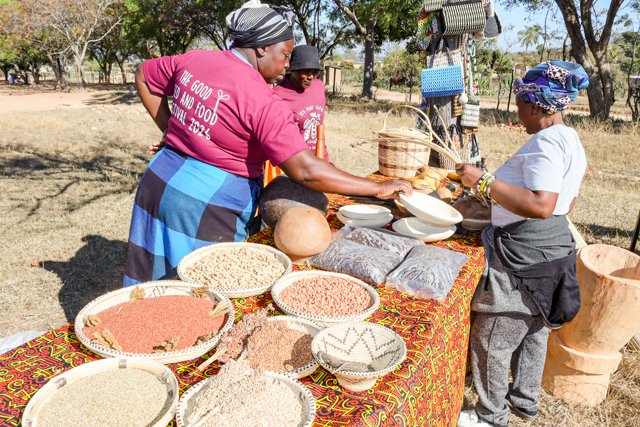
Africans have a long history of seed sharing. Indigenous seeds can be shared in small amounts to those in need. Sharing should not be limited to seeds only. Labour, tools and equipment and can also be shared.
Seed banks
Those who receive seeds from others should keep in mind that they should aim to graduate from receiving seeds and be able to give to others as well. This can only be achieved by banking seeds. Seed banks can preserve true-to-type varieties and as more farmers share the seed with other, the whole community can benefit.
Knowledge sharing
Farmers who embark on the agroecological journey should not shy away from receiving basic education and training on proper climate-smart agricultural practices. Knowledge exchange is crucial in the development of a community.
African food systems need agroecology to attain food sovereignty. It might take time for every farmer in Africa to join the revolution, but with persistence and dedication, agroecology can transform lives and communities.

Post Comment